Spain's Wildfires Ignite Billions in Economic Damage, Threatening Core Industries
Spain faces an escalating financial crisis as relentless wildfires continue to scorch vast swathes of its territory, generating economic costs projected to run into the billions of euros. These destructive blazes, intensified by record-breaking heatwaves and prolonged drought, are devastating immediate landscapes and infrastructure, while also inflicting profound, long-term damage on critical sectors such as tourism and agriculture. Experts warn that the economic toll extends far beyond direct firefighting expenses, encompassing property destruction, lost revenue, environmental restoration, and increased insurance claims, placing immense pressure on both regional and national finances.
The Immediate Financial Burden: A Mounting Bill for Firefighting and Reconstruction
The most immediate and tangible cost of Spain's wildfire crisis is the staggering expenditure on firefighting operations and the subsequent reconstruction of damaged areas. In 2026 alone, the direct cost of battling these infernos in Spain is estimated to range between €1.72 billion and €3.28 billion, despite burning roughly half the area compared to the previous year. This substantial figure underscores the increased intensity and difficulty of suppressing modern wildfires. For context, in 2025, when approximately 354,793 hectares were ravaged, the Spanish government's allocation for extinguishing fires was an estimated €3.548 billion to €6.741 billion. These figures primarily cover the operational costs of deploying thousands of personnel, specialized vehicles, and aircraft, with significant events such as the Avila fire alone consuming 44,000 hectares.
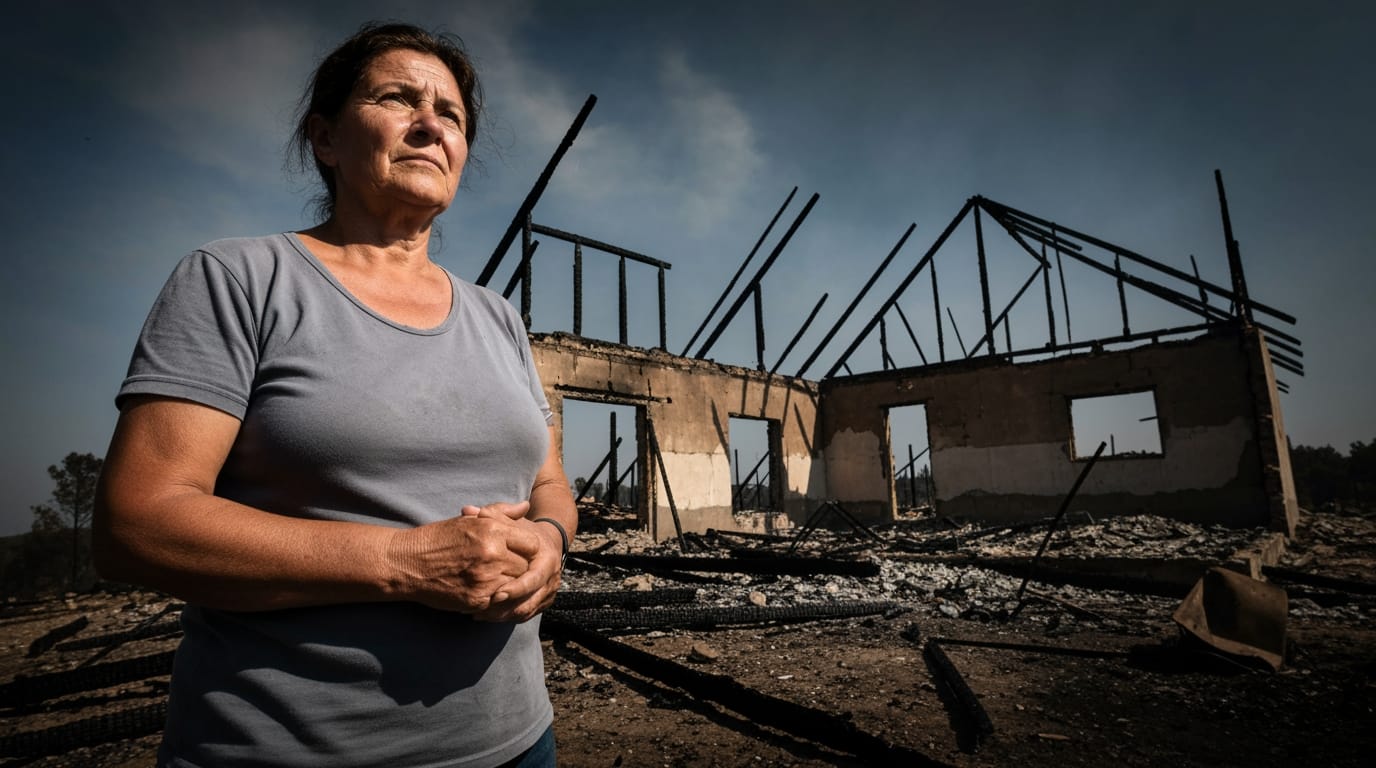
Beyond the direct costs of suppression, the fires leave a trail of immediate physical destruction. Hundreds of homes and other buildings have been destroyed, forcing nearly 100,000 people to evacuate their residences across Spain during recent outbreaks. Critical infrastructure, including transportation networks, electricity grids, telecommunications, and water supply systems, has also suffered temporary disruptions and damage, requiring costly repairs and reconstruction efforts. The European Parliament recognized the severity of the situation by approving an emergency aid package for Spain worth €120.55 million in July 2026, aimed at covering damages from droughts, heatwaves, and forest fires.
Scorch Marks on Spain's Economic Pillars: Tourism and Agriculture
Spain's vibrant tourism and agriculture sectors, cornerstones of its national economy, are bearing a heavy brunt of the wildfire crisis. Tourism, which accounts for a significant 15.6% of Spain's Gross Domestic Product (GDP), has been severely impacted by evacuations, road closures, and widespread smoke, particularly during the crucial summer holiday season. Holiday resorts have seen evacuations, and the disruption has led to numerous cancellations and a sharp reduction in visitor numbers in affected regions. The less tangible economic damage, such as trips cancelled before booking and rooms left unoccupied, represents a hidden cost to the industry, which was not built to withstand such widespread and intense climate-induced events.
The agricultural sector faces immense losses, with farmland, grazing areas, timber, mushroom-producing forests, and resin-producing lands being scorched. Vineyards, a crucial part of Spain's agricultural output and cultural heritage, are particularly vulnerable not only to direct flames but also to smoke taint, which can degrade the quality and market value of grapes. The destruction of these natural resources represents not only an immediate financial loss for farmers and producers but also a long-term setback for regional economies that rely heavily on these industries. The cumulative effect on rural areas, often dependent on these primary industries, can be devastating for the livelihoods of their residents.
The Ripple Effect: Long-Term Scars and Fiscal Pressure
The economic repercussions of Spain's wildfires extend far beyond the immediate damage, creating long-term scars on the nation's economy and increasing fiscal pressure on government bodies. A 2023 study published in the Journal of Environmental Economics and Management indicated that major fires can reduce annual GDP growth in affected southern European regions by 0.11% to 0.18%, with cumulative reductions reaching between 3.3% and 4.8% in severe years. This highlights the systemic impact these events have on national macroeconomic stability, even if individual incidents are localized.
The cost of long-term environmental restoration, including reforestation and soil stabilization, often far exceeds the initial firefighting expenses. Experts emphasize that restoring landscapes ravaged by flames is usually more expensive than the firefighting itself. Wildfires also contribute to soil erosion, degrade water quality, destroy habitats, and release large amounts of carbon dioxide, creating a feedback loop that exacerbates climate change. These ecological damages carry their own economic valuation, impacting everything from biodiversity to future resource availability.
Moreover, the financial toll includes soaring insurance claims. While national governments and the European Union Civil Protection Mechanism provide support, the scale of damage often outruns private insurance coverage, as seen in Spain's 2025 fire season, which caused nearly €5 billion in economic losses but less than €1 billion in insured payments. This gap underscores the need for better modeling of wildfire exposure and puts additional pressure on public finances, particularly in regions already facing debt challenges.
Climate Change: Fueling the Fire and the Prevention Imperative
The escalating economic cost of Spain's wildfires is inextricably linked to human-caused climate change. Scientists at World Weather Attribution reported that climate change has made the conditions conducive to wildfires in central Spain at least 20 times more likely. Hotter temperatures and prolonged droughts create tinder-dry conditions, easily ignited and rapidly spread by high fuel loads resulting from unusually wet winters that spur vegetation growth, followed by exceptionally dry springs and summers. The increased intensity and frequency of these fires lead to greater difficulties in suppression and higher associated costs.
Amidst this grim reality, there is a growing consensus that investment in prevention is far more cost-effective than reactive suppression. Experts argue that a significant portion of public funds currently allocated to firefighting could be better utilized for proactive measures such as forest management, firebreak maintenance, early detection systems, and public awareness campaigns. For instance, the Castilla-La Mancha region invested €60 million in fire prevention efforts in 2025 as part of a wider €116 million campaign budget, demonstrating a commitment to proactive risk reduction. This strategic shift from fighting fires to preventing them is gaining traction as an essential long-term investment strategy, not only for environmental protection but also for economic resilience.
Conclusion: A Call for Comprehensive Action
Spain's recurring and increasingly devastating wildfires represent a profound and multifaceted economic challenge. The immediate billions spent on firefighting and the direct damage to properties and infrastructure are just the tip of an iceberg that includes severe long-term impacts on the tourism and agriculture sectors, reduced GDP growth, environmental degradation, and increased fiscal strain. The human cost of displacement and trauma, while harder to quantify, adds another layer to the crisis.
The scientific consensus points to climate change as a primary driver, emphasizing that the current conditions are not an anomaly but a harbinger of future challenges. Addressing this escalating crisis demands a comprehensive and proactive approach. While robust emergency response remains crucial, a substantial and sustained investment in wildfire prevention, ecological restoration, and climate adaptation strategies is paramount. Only through such integrated efforts can Spain hope to mitigate the mounting economic toll and safeguard its landscapes, communities, and future prosperity against the relentless advance of wildfire devastation.