Spanish Premier Cancels Davos Trip Amidst Deadly Train Collision at Home
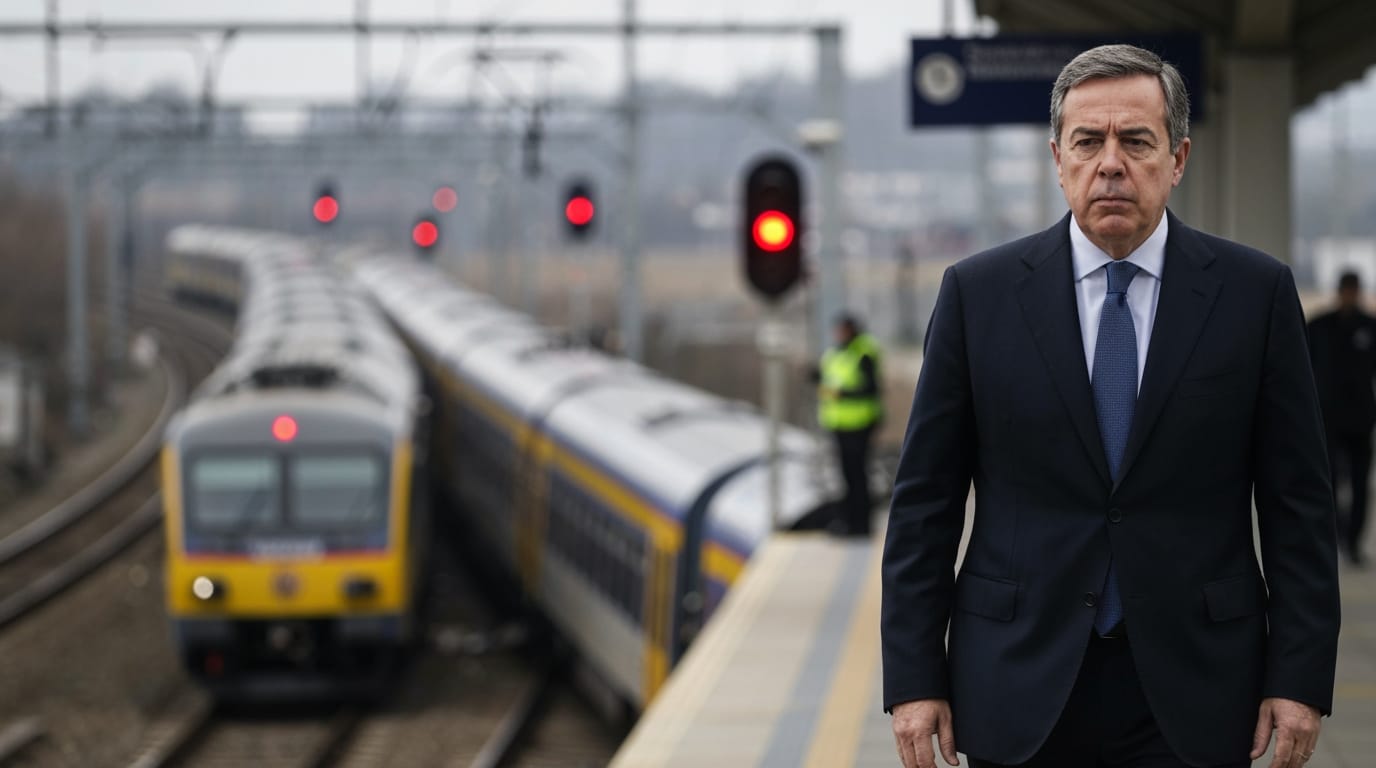
DAVOS, Switzerland/ADAMUZ, Spain – The world's elite began converging on Davos today for the annual World Economic Forum (WEF), but the planned itinerary for one prominent leader was abruptly derailed by tragedy. Spanish Prime Minister Pedro Sanchez canceled his highly anticipated trip to the global economic summit, opting instead to return to Spain in the wake of a catastrophic high-speed train collision that has claimed at least 39 lives and injured hundreds more in the southern province of Córdoba. The dual events underscore a stark contrast between the global discussions on future challenges and the immediate, harrowing realities of a national disaster.
Tragedy Strikes on Spanish Rails
The deadly incident occurred Sunday evening, January 18, near Adamuz, Córdoba, when two high-speed passenger trains were involved in a devastating collision. According to initial reports and investigations, a high-speed Iryo train, carrying approximately 300 passengers from Malaga to Madrid, derailed and veered onto an adjacent track. This resulted in a head-on impact with an oncoming Renfe train, also a high-speed service, traveling from Madrid to Huelva with around 200 passengers.
The force of the collision was immense, with the Renfe train bearing the brunt of the impact. Its first two carriages were violently knocked off the tracks and sent plummeting down a four-meter embankment, significantly complicating rescue efforts. Passengers described the sensation as feeling "like an earthquake," with some resorting to emergency hammers to break windows and escape the mangled wreckage. Rescuers worked through the night under difficult conditions to extract survivors and recover bodies. As of Monday morning, authorities confirmed at least 39 fatalities, with 245 injured, including 75 hospitalized, 15 of whom are in critical condition. Among the confirmed dead was the driver of the Madrid to Huelva train. Spanish Transport Minister Óscar Puente has warned that the death toll could still rise as search and recovery operations continue amidst the twisted metal.
Prime Minister's Abrupt Change of Plans
Prime Minister Sanchez was scheduled to be a prominent voice at Davos, expected to deliver a keynote address on Wednesday, January 21, and participate in high-level discussions. His agenda included anticipated meetings with U.S. President Donald Trump and Argentine President Javier Milei, where he was reportedly prepared to articulate positions sharply contrasting those of his counterparts. However, in a swift decision reflecting the gravity of the national crisis, the Prime Minister announced his immediate return to Spain.
A spokesperson for Sanchez confirmed the cancellation, stating the Prime Minister's priority was to oversee the government's response to the catastrophic accident and offer support to the victims and their families. This sudden departure from the international stage underscores the profound human impact of the disaster, drawing the leader away from global policy debates to focus on domestic tragedy. The national mourning declared in Spain casts a somber shadow, diverting immediate attention and resources to the aftermath of the collision. Train services between Madrid and cities in Andalusia have been suspended indefinitely, further highlighting the disruption caused by the tragedy.
Davos Under a Somber Shadow
The World Economic Forum's 2026 Annual Meeting, themed "A Spirit of Dialogue," officially commenced today, January 19, in Davos, Switzerland, and is slated to run until January 23. The forum aims to bring together global leaders from government, business, civil society, and academia to address pressing global issues such as cooperation in a contested world, responsible innovation, unlocking new sources of growth, and building prosperity within planetary boundaries.
The absence of a key European leader like Prime Minister Sanchez, particularly one expected to engage in robust dialogue on geopolitical and economic challenges, will undoubtedly be felt. While the forum is designed to foster collaboration on critical issues ranging from agentic AI transformation to geopolitical tensions and climate change, the news of the Spanish train crash serves as a stark reminder of the often-unpredictable crises that can reshape national priorities and global engagement. The focus in Davos on "a spirit of dialogue" now implicitly extends to global solidarity in the face of unforeseen tragedies.
Unraveling the 'Strange' Accident
The investigation into the cause of the Adamuz train collision is in its early stages, with Transport Minister Óscar Puente describing the incident as "truly strange." This sentiment stems from the fact that the derailment occurred on a straight section of track that had undergone refurbishment as recently as May 2025. Furthermore, the Iryo train involved was reportedly less than four years old, suggesting a modern and well-maintained fleet. Experts consulted have expressed bafflement over the circumstances.
Spain boasts Europe's largest high-speed rail network, a system generally regarded as safe and efficient, with over 25 million passengers utilizing Renfe's high-speed services in 2024. The last major fatal train accident in Spain occurred in 2013, when 80 people died in a derailment in the northwest. The current investigation, which Minister Puente estimates could take up to a month, will delve into various factors, including potential technical malfunctions, human error, or external elements that could have contributed to the catastrophe. The Spanish Red Cross has established help centers for victims and their families, while psychological assistance groups have been deployed to offer support in Madrid, Córdoba, Huelva, and Seville.
A Moment of Reflection
As global leaders in Davos begin their discussions on shaping the future, Spain grapples with a profound loss, underscoring the delicate balance between international aspirations and national crises. Prime Minister Sanchez's decision to prioritize the immediate needs of his country in the face of such devastation serves as a powerful testament to leadership in times of tragedy. The "spirit of dialogue" intended for Davos will undoubtedly be informed by the somber reality unfolding in southern Spain, reminding attendees of the urgent need for robust infrastructure, stringent safety protocols, and compassionate responses to unforeseen events, even as they chart a course for global progress.


