Sri Lanka's Former Tamil Tigers Face Uphill Battle Reintegrating Into Society
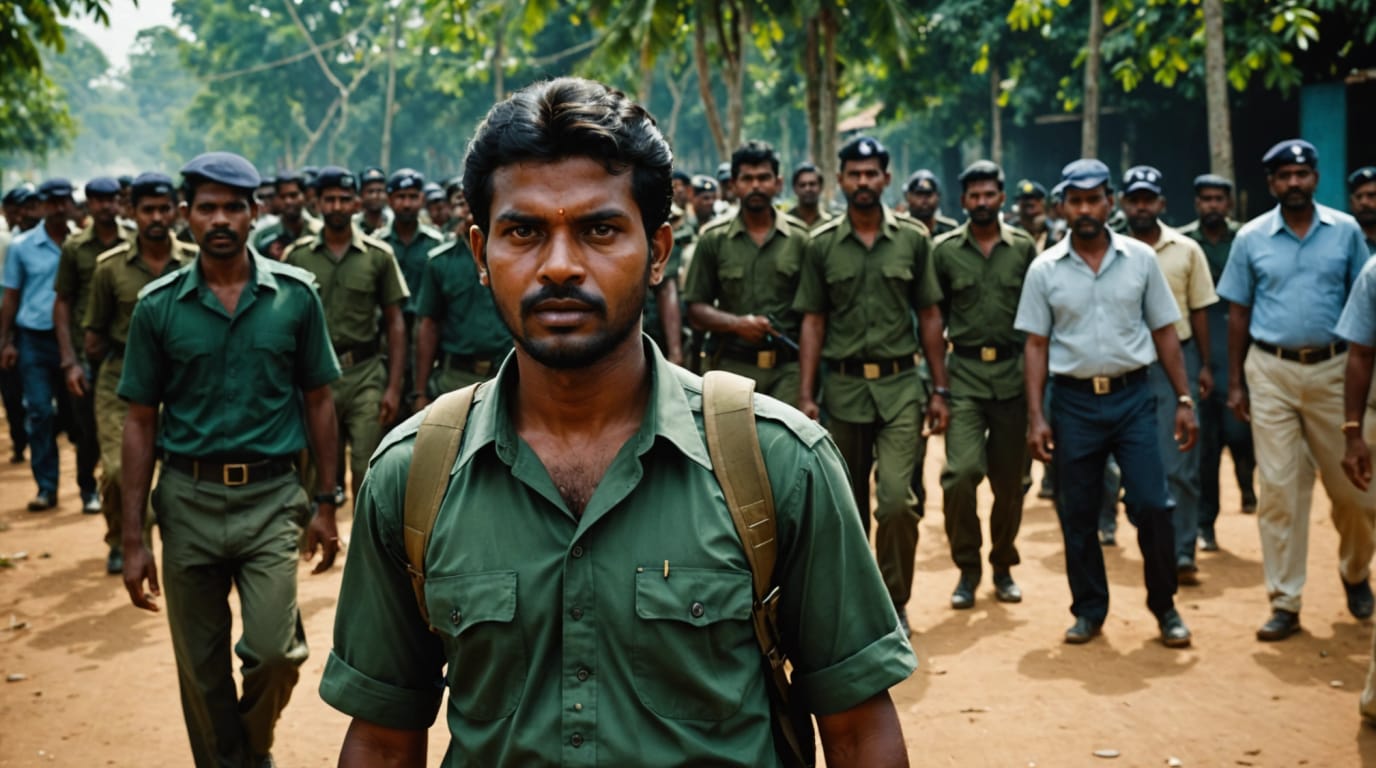
Fifteen years after the end of Sri Lanka's brutal civil war, former members of the Liberation Tigers of Tamil Eelam (LTTE), also known as the Tamil Tigers, continue to struggle with reintegration into society. While the government has implemented rehabilitation programs, many ex-combatants face economic hardship, social stigma, and ongoing surveillance, hindering their ability to lead normal lives. The challenges are particularly acute for female ex-combatants, who often face additional gender-based discrimination.
The End of the War and Rehabilitation Efforts
The Sri Lankan civil war, which lasted for over two decades, ended in May 2009 with the military defeat of the LTTE. The conflict, rooted in ethnic tensions between the majority Sinhalese and minority Tamil communities, claimed the lives of at least 100,000 people. The LTTE, which aimed to create an independent Tamil state in the north and east of the island, was known for its use of guerilla tactics, including suicide bombings and child soldiers.
Following the end of the war, the Sri Lankan government initiated a rehabilitation program for former LTTE combatants. More than 11,000 ex-fighters, many of whom were forcibly conscripted, underwent a six-stage rehabilitation program that could last up to two years. The program aimed to "disengage, de-radicalize, rehabilitate, and reintegrate the misguided men/women and children, who were radicalized by the protracted armed conflict" and make them into "useful citizens and productive members" through a "center and community based comprehensive rehabilitation process". The rehabilitation included vocational and life skills training, psychosocial support, and mentorship programs focused on conflict resolution and emotional resilience.
Economic Hardship and Lack of Opportunities
Despite the rehabilitation efforts, many former LTTE members struggle to find stable employment and achieve economic independence. A major obstacle is the reluctance of employers to hire known ex-LTTE members, fearing monitoring by authorities. Many lack the skills to find and hold meaningful employment, even after receiving vocational training. Some have reportedly resorted to criminal activities or become paid informers for the authorities due to the lack of economic options.
The government has invested billions of dollars in infrastructure projects in the Northern Province, but analysts say these investments have largely failed to stimulate the job market for former combatants. There is a need for more employment generation initiatives, such as tax breaks to encourage factories to move into the area, low-interest loans, and business development training.
Social Stigma and Discrimination
Former LTTE members often face social stigma and discrimination, making it difficult to reintegrate fully into their communities. Societal discrimination against former LTTE members is also related to caste, as the majority of former LTTE members are lower caste. Female ex-combatants face even greater challenges in terms of social reintegration, stigmatization, and difficulties in finding employment or a marriage partner. Women who voluntarily joined the LTTE face greater difficulties in being accepted back into their communities than those who had been forcibly recruited.
The stigma associated with being a former member of a terrorist organization is difficult to overcome, and many members of the public view the rehabilitees with suspicion or hostility. This societal rejection not only hinders their reintegration but also contributes to the psychological stress and trauma experienced by the rehabilitees.
Ongoing Surveillance and Militarization
Even after completing the rehabilitation program, former LTTE members often remain under surveillance by the military, which can be terrifying for family and neighbors and have detrimental impacts on their ability to live a normal life. The heavy military presence in the North and East, while intended to maintain peace, creates an environment of fear and limits freedom of expression.
Some former female cadres have reported sexual harassment and pressure into marriage because they were cadres. There were allegations that soldiers used rape or the threat of rape as a means of gathering intelligence.
The Role of Reconciliation and Transitional Justice
The reintegration of former LTTE combatants is directly linked to reconciliation between the Tamil and Sinhalese communities. While the government has taken some steps towards reconciliation, many challenges remain. These include the rightful allocation of lands for original landowners, the distribution of new lands, continuing the reparation process, and operations of the Office of Missing Persons.
A sustainable plan for the reintegration process is being addressed, as well as issues such as the voluntary repatriation of Tamil refugees and housing reconstruction. The United Nations Human Rights Council (UNHRC) has made several resolutions against the Government of Sri Lanka regarding the issues of reconciliation and transitional justice.
The Future of Former Tamil Tigers
Despite the challenges, some former LTTE members have successfully reintegrated into society and are working to build a better future for themselves and their communities. However, sustained support is needed to address the economic, social, and psychological needs of former combatants.
The Sri Lankan government, with the support of international organizations and civil society, must prioritize initiatives that promote economic empowerment, reduce social stigma, and ensure the safety and security of former LTTE members. Addressing the underlying grievances of the Tamil community and promoting reconciliation between ethnic groups are also essential for lasting peace and stability in Sri Lanka.
The upcoming presidential election on September 21, 2024, presents an opportunity for Sri Lanka to reaffirm its commitment to reconciliation and transitional justice. Civil activists are working to unify fragmented Tamil political parties and strengthen their bargaining position ahead of the election. By working together, the Tamil community can regain its voice and advocate for its rights and needs.
The reintegration of former Tamil Tigers is a complex and ongoing process. While significant progress has been made, many challenges remain. By addressing these challenges and promoting reconciliation, Sri Lanka can create a more just and equitable society for all its citizens.


