Starmer's Surprise Shift: Navigating the Center Stage of British Politics
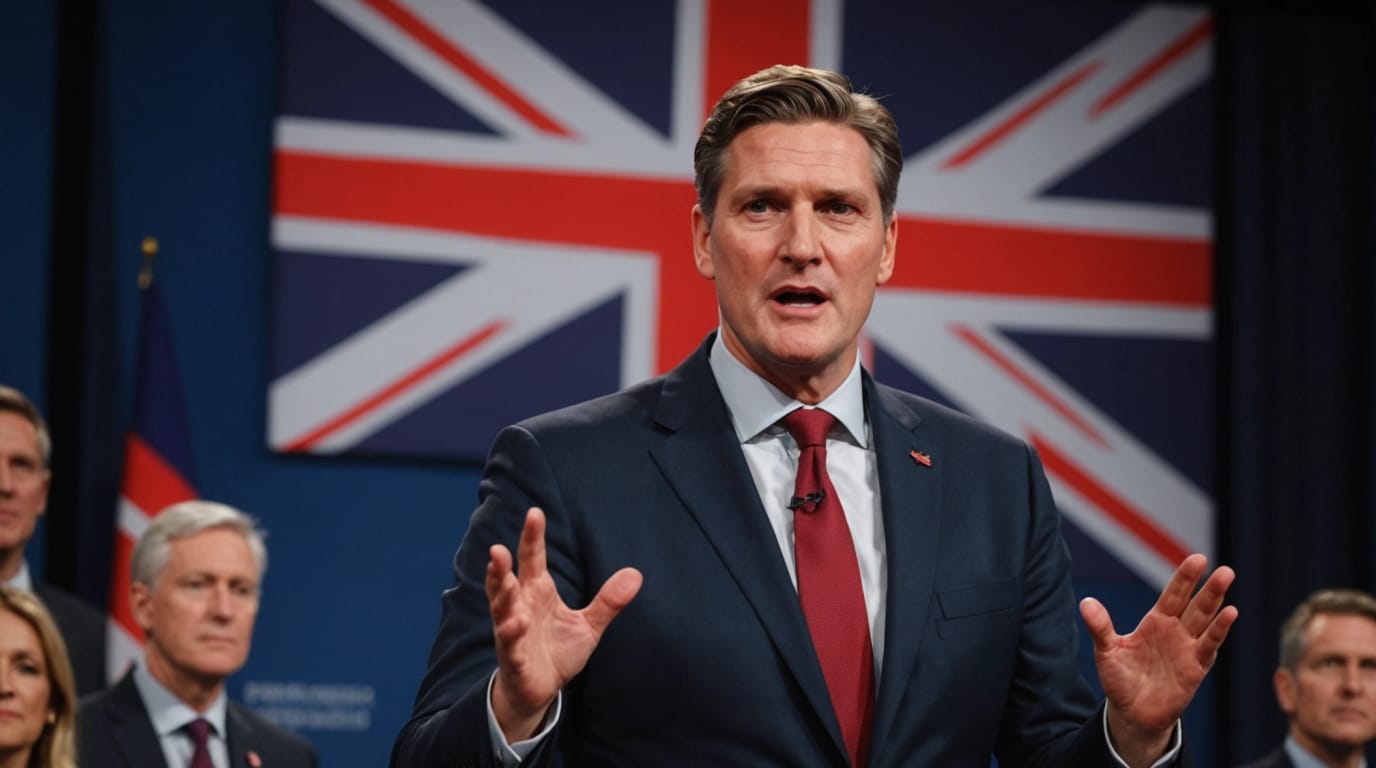
Keir Starmer's journey to becoming Prime Minister of the United Kingdom has been marked by a series of strategic shifts, leaving many to question the true nature of his political ideology. From his initial left-leaning platform during his Labour leadership bid to his more recent embrace of centrist policies, Starmer's evolution has been both praised as pragmatic and criticized as opportunistic. This article delves into the key policy changes, strategic decisions, and public perceptions that define Starmer's unexpected turn on the center stage.
From Socialist Pledges to Pragmatic Policies
When Keir Starmer ran for the Labour leadership in 2020, he presented himself as a champion of the left, advocating for policies such as "common ownership" of key industries and the abolition of tuition fees. He pledged to increase income tax for the top 5% of earners and scrap the two-child limit on benefits. However, as he transitioned from Leader of the Opposition to Prime Minister, many of these pledges were either abandoned or significantly altered.
One of the most notable U-turns was on the issue of nationalization. While initially supporting "common ownership" of rail, mail, energy, and water companies, Starmer later adopted a more "pragmatic approach," committing only to renationalizing the railways and local bus services, alongside creating a publicly owned energy company. Similarly, his promise to increase income tax for top earners was dropped, with Starmer citing the "highest tax burden since World War II" as justification.
These policy reversals have drawn criticism from both within and outside the Labour Party. Some accuse Starmer of betraying the principles he initially espoused, while others argue that he has simply adapted to the realities of governing and the need to appeal to a broader electorate.
The Rise of "Starmerism": A New Political Ideology?
The shifting nature of Starmer's policies has led to the emergence of the term "Starmerism," a neologism used to describe his political ideology. However, there is little consensus on what "Starmerism" actually entails. Some argue that it represents a move towards the center, akin to Tony Blair's "New Labour," while others contend that Starmer remains fundamentally left-wing, albeit with a more pragmatic approach.
In an April 2023 interview with The Economist, Starmer attempted to define "Starmerism," identifying two main strands: a critique of the British state as "ineffective and over-centralised" and an adherence to an economic policy of "modern supply-side economics." This economic policy focuses on expanding economic productivity through increased labor market participation, reduced inequality, skills development, mitigating the impact of Brexit and simplifying the construction planning process.
Despite these attempts at definition, the ambiguity surrounding "Starmerism" persists, leaving many voters uncertain about what the Prime Minister truly stands for.
Navigating Economic Challenges and Shifting Priorities
Since assuming office, Starmer has faced a series of significant economic challenges, including sluggish growth, strained public finances, and the ongoing cost-of-living crisis. These challenges have forced his government to make difficult decisions and re-evaluate its priorities.
In December 2024, Starmer unveiled his "Plan for Change," outlining six "milestones" designed to guide his government's policy priorities and provide a framework for accountability. These milestones include achieving higher living standards, building 1.5 million new homes, meeting NHS standards for elective treatment, providing a named police officer for every neighborhood, ensuring 75% of five-year-olds are "ready to learn" when they start school, and generating at least 95% clean power by 2030.
However, the "Plan for Change" has also faced criticism, with some questioning the feasibility of these targets and others arguing that they lack ambition. Moreover, the government's economic policies have come under scrutiny, particularly after Chancellor Rachel Reeves delivered a budget that included the "highest level of tax increases ever announced," raising concerns about their impact on economic growth.
Public Perception and Political Standing
Public perception of Keir Starmer's leadership has fluctuated significantly since he became Prime Minister. While he initially enjoyed a surge in approval ratings following the 2024 general election, his popularity has since declined.
A February 2025 poll found that Starmer's net approval rating had fallen to -18%, with only 30% of voters approving of his job performance. Moreover, a plurality of voters (43%) believed that Starmer had accomplished "nothing at all" since becoming Prime Minister.
These declining approval ratings reflect a growing sense of uncertainty among the public about what Starmer stands for and whether his government is effectively addressing the country's challenges. While some voters appreciate his pragmatic approach and emphasis on economic stability, others feel that he has abandoned his principles and failed to deliver on his promises.
A Leader in Flux: The Unfolding Narrative of Keir Starmer
Keir Starmer's journey from a left-leaning leadership candidate to a centrist Prime Minister is a complex and evolving narrative. His policy shifts, strategic decisions, and public image have been shaped by a combination of political pragmatism, economic realities, and the ever-changing dynamics of British politics.
Whether Starmer's "surprise shift" will ultimately be viewed as a successful adaptation to the challenges of leadership or a betrayal of his initial promises remains to be seen. As he navigates the center stage of British politics, the Prime Minister faces the daunting task of uniting a divided country, restoring public trust, and delivering on his vision for a better future. The coming years will be crucial in determining whether Keir Starmer can solidify his position as a transformative leader or simply become another footnote in the annals of British political history.


