Stock Market Plunge Sparks Recession Fears
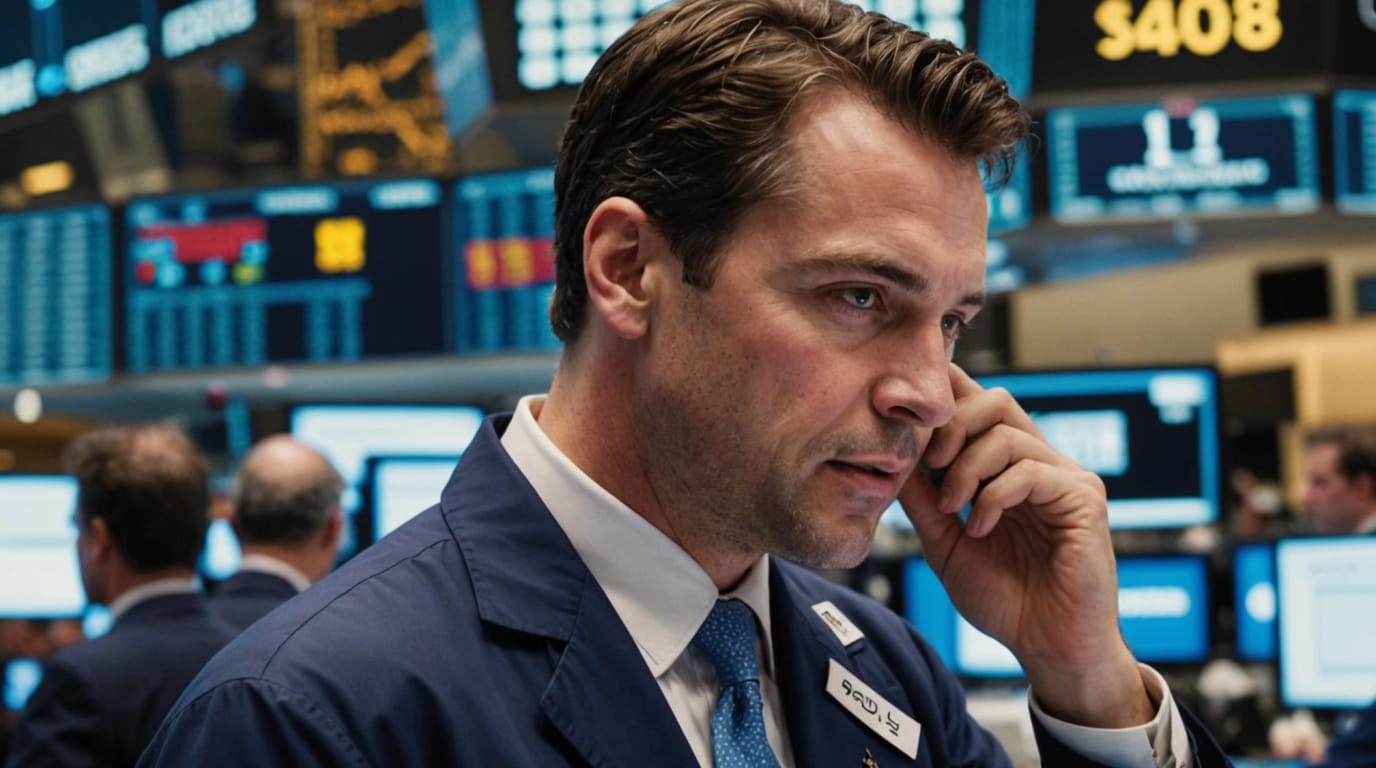
A dramatic selloff has gripped the U.S. stock market, sending major indices tumbling and fueling concerns about a potential recession. The market rout, triggered by a combination of factors including President Trump's recent remarks and ongoing trade tensions, has wiped out trillions of dollars in value and left investors rattled.
Market Bloodbath
Monday marked a particularly brutal day on Wall Street, with the S&P 500 experiencing its largest single-day drop since December, falling 2.7%. The tech-heavy Nasdaq 100 plunged even further, plummeting 3.81% in its steepest decline since September 2022. This follows weeks of steady losses, bringing both the S&P 500 and Nasdaq 100 to their lowest levels since September of last year. The losses have been widespread, with the S&P 500 falling over 8% from its February high. The decline from the peak last month has erased $4 trillion from the S&P 500.
Several prominent companies experienced significant losses. Tesla, led by Elon Musk, saw its shares plunge by 15.43%. Other tech giants like Nvidia, Apple, Alphabet (Google), and Meta (Facebook) also suffered substantial declines, as investors sought safer assets.
Trump's Comments Add Fuel to the Fire
President Trump's recent comments have exacerbated market anxieties. In a Fox News interview aired Sunday, Trump declined to rule out the possibility of a recession this year, stating that the economy would experience "a period of transition" as his tariffs take effect. These remarks, coupled with his earlier statement to Congress about a "little disturbance," have been interpreted by many as a sign that the administration is not overly concerned about a potential economic downturn.
The President's wavering on trade policies has further contributed to the uncertainty. The recent imposition of tariffs on goods from Mexico and Canada, followed by a partial delay, has left investors unsure of the future direction of trade relations.
Experts Weigh In
The market turmoil has prompted economists to reassess the likelihood of a recession. Goldman Sachs economists recently increased their odds of a recession within the next 12 months from 15% to 20%, citing trade policies. JPMorgan Chase has lifted the probability from 30% to 40% "owing to extreme US policies".
Analysts suggest that the market's negative reaction stems from the uncertainty surrounding the administration's policies. The constant shifts in trade policy and the lack of a clear economic strategy have created an environment of instability, making it difficult for businesses to plan and invest.
Global Impact
The U.S. market selloff has had a ripple effect across global markets. Asian stock markets also experienced significant losses on Tuesday, with Japan's Nikkei 225 and Taiwan's TAIEX dropping more than 2.5%, and Hong Kong's Hang Seng sliding about 1.5%. European markets have also been affected, with the pan-European STOXX 600 index ending down 1.29% on Monday.
The global interconnectedness of financial markets means that economic instability in one region can quickly spread to others. The U.S., as the world's largest economy, plays a crucial role in global economic stability, and a recession in the U.S. could have significant consequences for the rest of the world.
What's Next?
The future direction of the stock market and the U.S. economy remains uncertain. Much will depend on the administration's policy decisions and how they impact trade, investment, and consumer confidence. Investors will be closely watching economic data for signs of a slowdown, and the Federal Reserve's response to the market turmoil will also be critical.
For average citizens, experts recommend focusing on the long term and avoiding panic selling. Market volatility is normal, and trying to time the market is often a losing game. Diversifying investments and maintaining a long-term perspective can help weather the storm.
The current stock market selloff serves as a reminder of the fragility of economic confidence and the potential for unforeseen events to disrupt financial markets. While a recession is not a certainty, the recent market turmoil underscores the need for caution and careful planning.