Strait of Hormuz: A Volatile Chokepoint on the Brink Amid Escalating Tensions
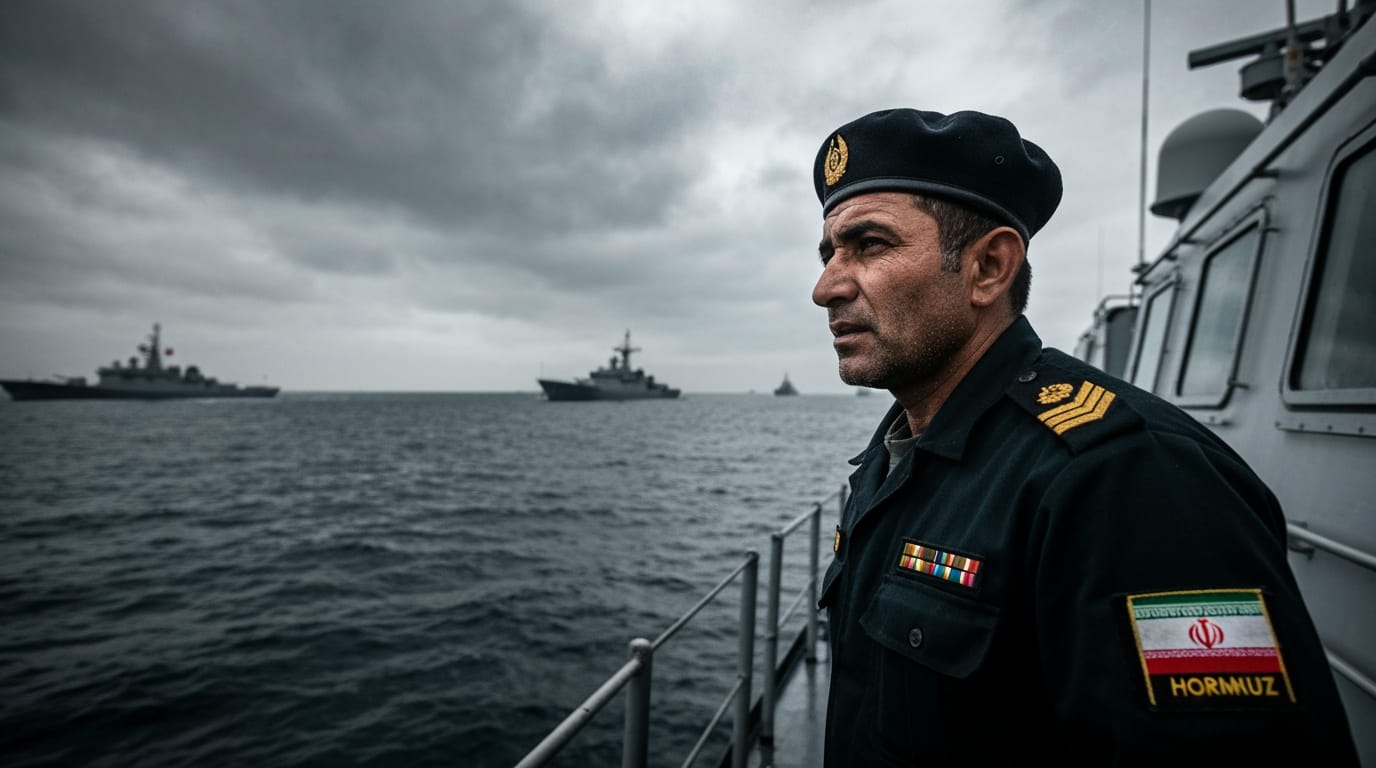
The Strait of Hormuz, a narrow and vital waterway connecting the Persian Gulf to the open ocean, has once again become a focal point of intense international concern, as escalating tensions between Iran and global powers threaten to trigger wider conflict. This critical maritime chokepoint, through which a significant portion of the world's energy supplies pass, is currently embroiled in a high-stakes standoff, with recent military confrontations underscoring the precarious balance in the region. The potential for a sustained disruption looms large, carrying with it profound implications for global energy markets and the stability of the international economy.
The World's Indispensable Energy Artery
The strategic importance of the Strait of Hormuz cannot be overstated. Situated between Iran and Oman's Musandam Peninsula, it is the sole maritime passage from the oil-rich Persian Gulf to the Gulf of Oman and the broader Arabian Sea. Annually, between 2023 and 2025, approximately 20% of the world's liquefied natural gas (LNG) and a staggering 25% of all seaborne oil trade transited through this waterway. This volume, averaging around 18-19 million barrels per day, makes it the world's most crucial oil transit chokepoint, essential for the energy security of nations in Europe and Asia, particularly China, India, Japan, and South Korea, which receive the bulk of these exports. Any significant disruption here poses an immediate threat to global supply chains and economic stability.
Iran's Strategic Leverage and Recent Actions
For decades, Iran has viewed its geographical position alongside the Strait of Hormuz as a "strategic equalizer," providing significant leverage in its dealings with international adversaries. The Islamic Republic has a long history of threatening to close the Strait in response to economic sanctions or military pressure, a tactic employed as a deterrence mechanism. In recent weeks, these threats have materialized into concrete actions, leading to a de facto blockade. Since late February 2026, shipping traffic through the Strait has been largely blocked by Iran following a broader conflict involving the United States and Israel. Iranian forces, particularly the Islamic Revolutionary Guard Corps (IRGC), have reportedly utilized a range of capabilities including drones, naval mines, and swarming small boats to disrupt commercial shipping. This strategy has not necessarily aimed for a total closure but rather to impose risk and uncertainty, effectively creating a "toll system" that elevates insurance costs and deters transit. Reports indicate that Iran has attacked commercial vessels nine times and seized two, further exacerbating the crisis. Furthermore, the United Arab Emirates has reported multiple missile and drone attacks originating from Iran, with U.S. Navy destroyers also coming under "sustained" barrages of small boats, missiles, and drones while transiting the Strait.
International Intervention: "Project Freedom" and its Perils
In response to Iran's actions, the United States, under President Donald Trump, initiated "Project Freedom" on May 5, 2026, aiming to guide commercial ships safely through the Strait of Hormuz. This operation involves a substantial deployment of military assets, including approximately 15,000 U.S. service members, over 100 aircraft (both land and sea-based), and guided-missile destroyers tasked with detecting and neutralizing Iranian threats. The mission seeks to provide an "enhanced security area" for transit, primarily on the southern side of the Strait. While the U.S. Central Command (CENTCOM) reported that two U.S.-flagged merchant vessels successfully transited the waterway under this protection, Iran views "Project Freedom" as a violation of the fragile ceasefire that had been in place since early April. Despite the U.S. military denying claims of direct hits, Iran's Fars news agency reported missile attacks on a U.S. Navy vessel, indicative of the continuing high-tension environment. Defense Secretary Pete Hegseth has characterized "Project Freedom" as a temporary mission, with calls for other nations to step up and assume responsibility for securing the waterway. Concurrently, the U.S. has maintained a naval blockade on Iranian ports, further complicating the geopolitical landscape.
The Looming Economic Catastrophe
The ongoing disruption in the Strait of Hormuz carries the potential for catastrophic global economic consequences, with analysts drawing parallels to the oil shocks of the 1970s. Chevron CEO Mike Wirth warned that physical oil shortages are imminent, with Asian economies expected to be the first to contract due to their heavy reliance on Gulf oil. A sustained closure could see Brent Crude surge well past $120 per barrel, potentially reaching $200-$300 per barrel within weeks, triggering unprecedented volatility in financial markets. Economic modeling suggests that global GDP losses could exceed $2 trillion within the first year of a prolonged closure.
Beyond soaring energy prices, the impact would ripple through interconnected global supply chains. Industries from petrochemicals and pharmaceuticals to aluminum manufacturing are heavily dependent on raw materials transiting the Strait. A disruption would lead to severe shortages, increased shipping costs, and widespread inflation, potentially pushing the global economy into stagflation and recession. Moreover, the humanitarian impact on Gulf Cooperation Council states, which rely on the Strait for over 80% of their food imports, has been dire, with reports of a "grocery supply emergency" and significant price spikes for staples.
Limited Alternatives and the Path Forward
While limited pipeline alternatives exist, such as Saudi Arabia's East-West Pipeline and the UAE's Habshan-Fujairah pipeline, their combined capacity is insufficient to fully compensate for a sustained closure of the Strait of Hormuz. Many existing pipelines are in need of repair or upgrading, and their use adds significant transit time and costs. Saudi Arabia and the UAE are actively exploring and developing new overland and maritime routes to diversify their export capabilities, but these solutions cannot immediately replace the immense volume handled by the Strait.
The current situation in the Strait of Hormuz represents a critical juncture. The fragile ceasefire between the U.S. and Iran is under severe strain, with "Project Freedom" being perceived by Tehran as an escalation. The delicate balance between ensuring freedom of navigation and avoiding outright military conflict remains challenging. The persistent threat of Iranian attacks, coupled with the critical economic vulnerabilities, underscores the urgent need for de-escalation and diplomatic solutions to avert a broader regional conflict with devastating global repercussions.