Sudeten German Gathering in Brno Ignites Fierce Debate Over Czechia's Wartime Past
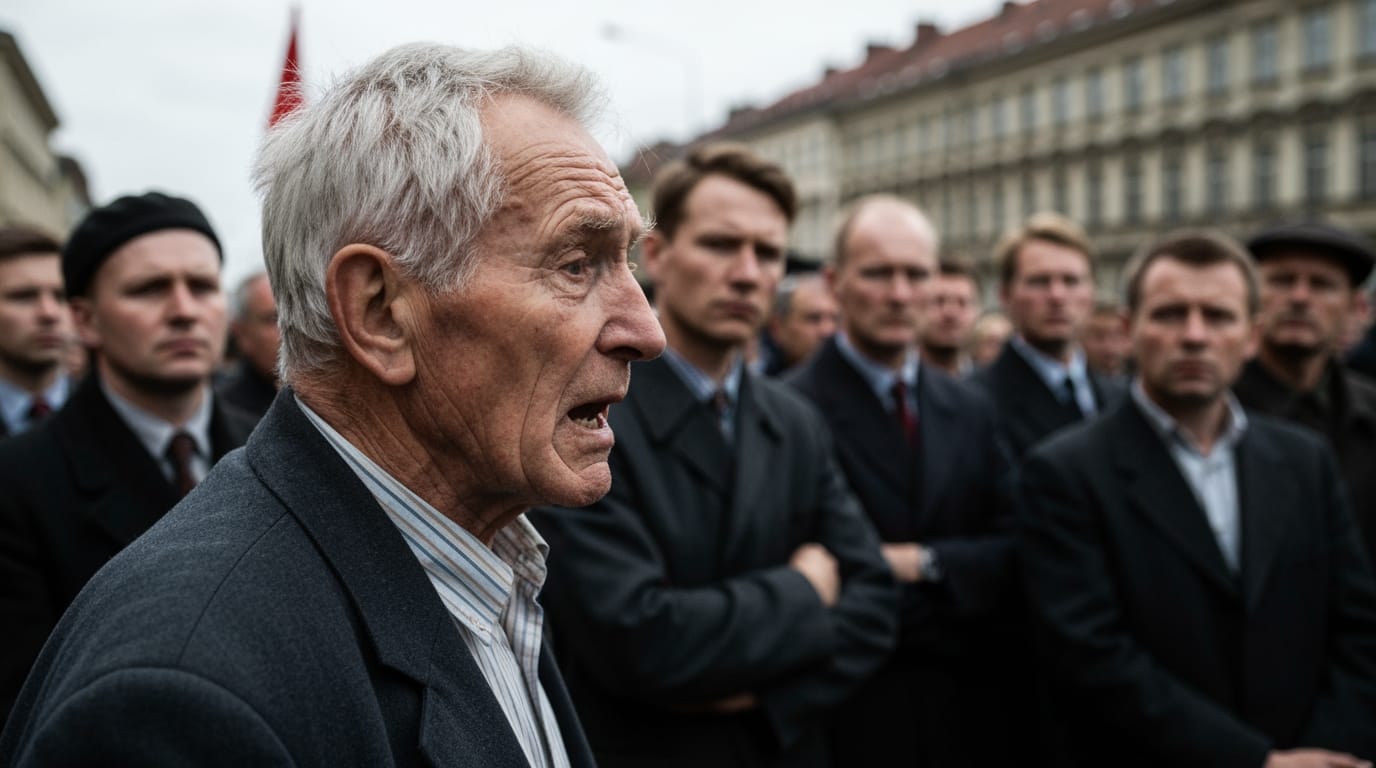
BRNO, Czechia – A planned congress of Sudeten Germans in the Czech city of Brno later this month has ignited a significant political and public uproar, reopening deeply entrenched historical wounds and testing the delicate balance of Czech-German reconciliation. Scheduled for May 22-25, the 76th annual gathering of the Sudetendeutsche Landsmannschaft (SdL) marks the first time such an event will be held on Czech soil, a move intended by its organizers as a gesture of dialogue and understanding, but viewed by many Czech politicians and citizens as a provocative act challenging the nation's post-World War II settlement. The controversy highlights the enduring sensitivity surrounding the expulsion of ethnic Germans from Czechoslovakia after 1945 and underscores the complex narratives that continue to shape Central European identity and international relations.
A Congress of Contention
The Sudeten German congress, organized in collaboration with the Meeting Brno cultural festival, aims to foster "post-war reconciliation" through a series of debates, memorial events, and cultural programs. Organizers, including the head of the Sudeten German association, Bernd Posselt, and Meeting Brno, have asserted that the event is a symbolic milestone in Czech-German relations and an opportunity for open reflection on shared history, rather than political revisionism. Meeting Brno, which received a human rights award from the SdL, has championed the event, building on its own 2015 "Declaration of Reconciliation" in which Brno city council expressed regret over the post-war events. Czech President Petr Pavel has also granted his patronage to the Meeting Brno festival, with his office emphasizing support for an environment of open historical dialogue, aligning with the values of the 1997 Czech-German Declaration.
Despite these intentions, the announcement of the congress has been met with fierce opposition. The Czech Parliament's Chamber of Deputies passed a resolution initiated by the far-right Freedom and Direct Democracy (SPD) party, expressing its opposition to the congress and calling for its cancellation. The resolution, supported by the ruling coalition, argued that holding such an event could be seen as a "political provocation" and an attempt to "cast doubt on the outcome of World War II" or challenge the post-war legal and property settlement, including the Beneš Decrees. Prime Minister Andrej Babiš of the populist ANO party, a key figure in the ruling coalition, openly described the gathering as a "provocation" and a "bad idea," confirming that no government members would attend.
Echoes of the Past: The Sudeten German Legacy
The intense reaction to the Brno gathering is deeply rooted in the tumultuous history of ethnic Germans in the Czech lands. For centuries, German-speaking populations lived in Bohemia and Moravia, particularly in border regions historically known as the Sudetenland. By the early 20th century, they constituted a significant minority, comprising about 23% of Czechoslovakia's population before World War II.
However, the interwar period saw rising nationalism and German irredentism. Many Sudeten Germans, influenced by Nazi propaganda and facing economic hardship, largely welcomed Adolf Hitler and his annexation of the Sudetenland in 1938 following the Munich Agreement. Their support for the Nazi regime, which subsequently occupied the rest of Bohemia and Moravia, inflicted immense suffering on the Czech people.
In the immediate aftermath of World War II, fueled by wartime atrocities and a desire to secure the future of the Czechoslovak state, approximately 3 million ethnic Germans were expelled from Czechoslovakia. These expulsions, legitimized by the Beneš Decrees, led to the confiscation of German property and, in many cases, brutal acts of violence. Estimates from a joint Czech-German commission of historians suggest between 15,000 and 30,000 violent deaths occurred during the transfers, with countless others dying from hunger and disease. Brno itself was the site of the notorious "Brno death march" in May 1945, a forced expulsion of its German population toward the Austrian border. This period remains a highly sensitive and painful chapter in Czech history, shaping national memory and identity.
Divided Perspectives on Reconciliation
The current controversy underscores a clear division within Czech society regarding how to approach this difficult historical legacy. Proponents of the congress, including various Czech intellectuals and civic groups, view it as a crucial step towards confronting the past honestly and fostering deeper Czech-German reconciliation. They argue that dialogue and understanding, especially 81 years after the war, are essential for modern European relations.
Conversely, a substantial segment of the political establishment and parts of the public maintain that the event is an "absolute insult to the victims of Nazism" and a veiled attempt at historical revisionism or even a precursor to demands for property restitution. Miroslav Ševčík, an SPD MP, reportedly labeled supporters of the summit "traitors." Critics often point to the historical complicity of many Sudeten Germans with the Nazi regime as justification for the post-war expulsions. Public protests against the gathering have occurred in both Brno and Prague, with demonstrators expressing concerns that it is not a path to reconciliation but rather a provocation. Some opposition politicians, however, boycotted the parliamentary vote against the congress, accusing the government of exploiting nationalistic sentiments for political gain and diverting attention from current domestic issues.
Geopolitical Ripple Effects and Domestic Politics
The uproar in Brno has not been confined to Czechia's borders, creating an "unusually public clash between Czech and German far-right parties" and sparking concerns about its impact on Czech-German relations. Prominent German politicians, including Bavarian Premier Markus Söder and German Interior Minister Alexander Dobrindt, have affirmed their intention to attend the congress, signaling their support for the Sudeten German community. This attendance has added an international dimension to the domestic debate, drawing scrutiny from both sides.
Political analysts suggest that the ruling coalition's strong stance, particularly the far-right SPD's initiative, is partly driven by domestic political calculations. Leveraging historical grievances can be a potent tool in Czech politics, a tactic seen in past electoral campaigns. While the issue of Sudeten Germans may have largely receded from mainstream political discourse after Czechia joined the European Union in 2004, it retains a potent emotional resonance that can be readily mobilized. The potential strain on Czech-German relations is a concern, given Germany's role as Czechia's largest trading partner and a key ally.
The upcoming Sudeten German congress in Brno epitomizes the ongoing struggle in Central Europe to reconcile a painful historical past with the imperatives of modern European integration and cooperation. While organizers envision a step forward in reconciliation through dialogue and shared remembrance, a vocal chorus of critics perceives it as a threat to national sovereignty and an attempt to rewrite history. The debate underscores that even decades after the events of World War II and the subsequent expulsions, the ghosts of the past continue to loom large, shaping political discourse and influencing public sentiment. The challenge remains how to acknowledge suffering on all sides and foster genuine understanding without compromising national historical narratives, a task that continues to provoke fierce contention in the heart of Europe.


