Super Typhoon Bavi Bears Down on US Pacific Islands, Promising Catastrophic Impact
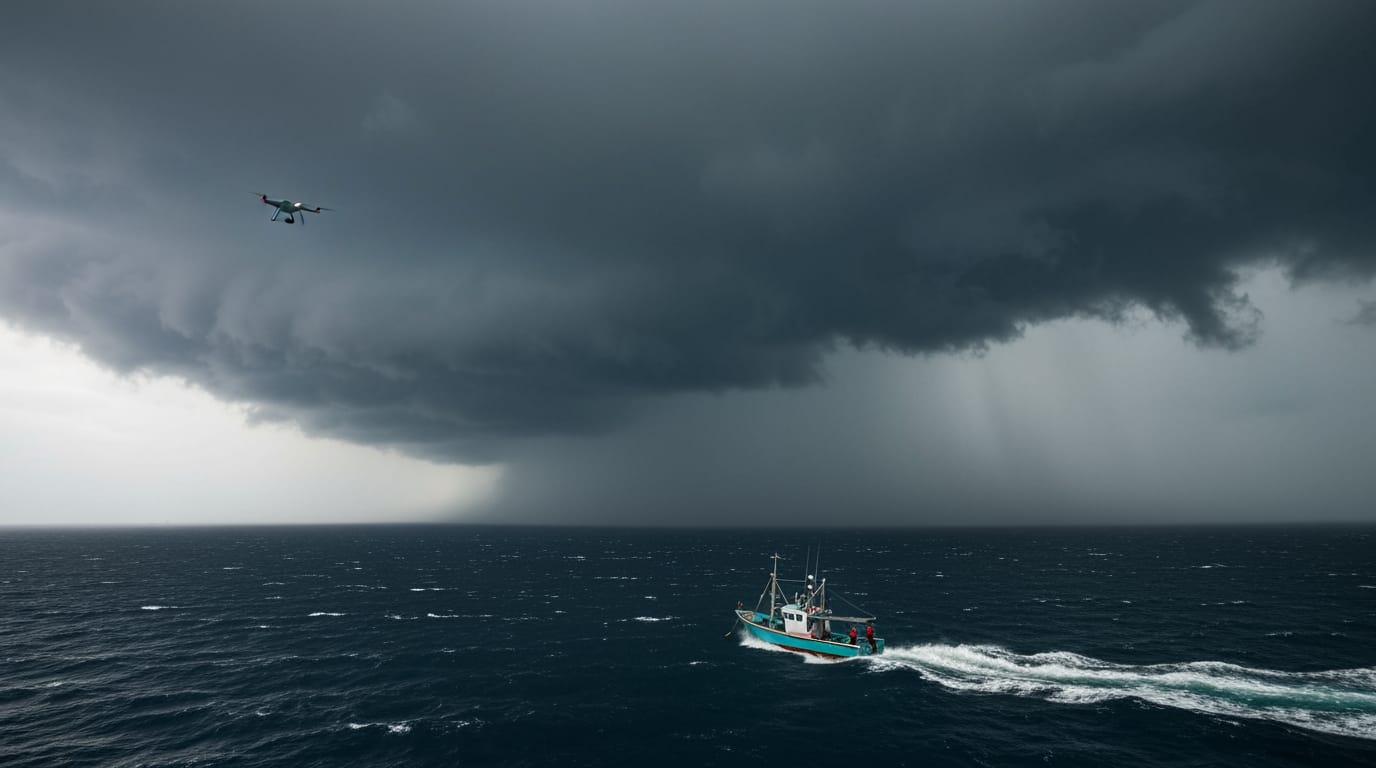
HAGÅTÑA, Guam – The United States Pacific territories of Guam and the Northern Mariana Islands are bracing for a direct and potentially catastrophic hit as Super Typhoon Bavi, a formidable Category 5 storm, bears down on the region. Forecast to make its closest approach early Monday morning, local time, Bavi brings with it the threat of sustained winds reaching up to 178 miles per hour and gusts capable of exceeding 200 miles per hour, alongside dangerous storm surges and torrential rainfall. Emergency declarations are in effect, and residents are urged to finalize preparations as the super typhoon, one of the strongest globally this year, threatens widespread devastation across the densely populated islands.
The Approaching Fury: A Category 5 Threat
Super Typhoon Bavi rapidly intensified over the weekend, attaining Category 5 status, marking it as the third such powerful storm in the western Pacific this year. As of late Sunday, the Joint Typhoon Warning Center indicated maximum sustained winds near 160 to 178 miles per hour, with gusts pushing well over 200 miles per hour, equivalent to a major Category 5 hurricane. The storm's trajectory places it on a course near or just north of Rota, a small island in the Northern Marianas, but its sheer size and intensity mean all islands in the Marianas archipelago, including Guam, Tinian, and Saipan, are expected to experience severe impacts.
Tropical storm force winds are anticipated to begin lashing the islands by Sunday evening, escalating to typhoon force winds from Monday morning through early Monday afternoon. Forecasters from the National Weather Service have issued dire warnings of possible "catastrophic wind damage" near Bavi's eye, along with life-threatening storm surges and hazardous surf conditions. Seas near the storm's center could reach an astounding 40 to 45 feet, creating extremely dangerous marine conditions and posing a significant threat of coastal inundation to low-lying areas.
Islands Brace for Catastrophe
With approximately 210,000 residents across Guam and the Northern Mariana Islands, communities have been in a race against time to prepare for Bavi's arrival. States of emergency were declared in both territories, catalyzing preparedness efforts. Across the islands, residents have spent days securing homes, boarding up windows, and stocking up on food, water, and essential supplies. Businesses, including resorts, undertook extensive measures to secure outdoor furniture and equipment. Police patrols were active on Sunday, urging the few remaining motorists to take shelter as conditions deteriorated.
On Guam, power outages were already being reported across parts of the island, and the Port Authority suspended operations. Emergency shelters began opening Sunday morning, with officials advising families to bring enough provisions for seven days. The Governor of Guam elevated the island's emergency readiness status, emphasizing the need for residents to remain safely indoors and avoid roads and waters.
The island of Rota, home to about 1,500 people, faces the most extreme threat, with predictions suggesting that much of the area could become "uninhabitable for weeks, perhaps longer." Experts warn of total roof failure and wall collapse for many non-concrete homes, widespread uprooting of trees, downed power poles, and power outages potentially lasting for months. Local leaders, like Rota mayor Aubry Hocog, expressed prayers for the community's safety and urged collective action in preparedness.
A Familiar but Escalating Threat
The approach of Super Typhoon Bavi is a stark reminder of the region's vulnerability to powerful storms. This is the second super typhoon to threaten U.S. Pacific territories since April, following Super Typhoon Sinlaku, which caused an estimated $1.5 billion in damages and resulted in 17 fatalities. In 2023, Super Typhoon Mawar also brought significant devastation to the islands, and historical records show a long list of powerful typhoons, such as Karen in 1962 and Paka in 1997, that have wreaked havoc on Guam.
Scientists attribute the increasing intensity of such storms, in part, to warming ocean temperatures, which provide more energy for tropical cyclones to develop and strengthen. The onset of a potentially strong El Niño weather pattern in 2026 is also cited as a factor that could further intensify global heat in oceans and the atmosphere, contributing to more extreme weather events. While the Pacific experiences typhoons frequently, with an average of seven per year near Guam, the current storm is particularly concerning due to its rapid intensification and extreme strength.
Beyond the Storm: Long-term Implications and Resilience
As the immediate threat of Super Typhoon Bavi looms, discussions are already turning to the long-term implications and the resilient spirit of the island communities. The prospect of prolonged power outages, infrastructure damage, and the isolation of residential areas presents significant recovery challenges. The U.S. Coast Guard, while repositioning its assets for safety, emphasized its commitment to returning quickly for search and rescue operations once the storm passes, highlighting the coordinated response efforts from various agencies.
The recurring nature of these powerful storms necessitates continuous preparedness and adaptation. Lessons learned from previous typhoons, such as Sinlaku and Mawar, inform current strategies for disaster response and recovery. Despite the inherent dangers of living in a typhoon-prone region, the inhabitants of Guam and the Northern Mariana Islands have a long history of resilience, rebuilding in the wake of each destructive event. The coming days will test that resolve once more, but the focus remains on ensuring the safety of all residents through vigilance and coordinated action.
Conclusion
Super Typhoon Bavi represents an immediate and extreme threat to the U.S. Pacific islands, demanding the highest level of caution and preparedness from all residents. With its Category 5 strength and a path directly impacting densely populated areas, the typhoon is poised to deliver catastrophic winds, life-threatening storm surges, and extensive flooding. As the full force of the storm is expected early Monday, adherence to official advisories, remaining in secure shelters, and prioritizing personal safety are paramount. The days ahead will undoubtedly be challenging, but the collective resolve and preparedness of the island communities will be crucial in navigating through the super typhoon's destructive passage and embarking on the inevitable road to recovery.


