Turkey's Pre-NATO Summit Crackdown Raises Alarm Over Civil Liberties
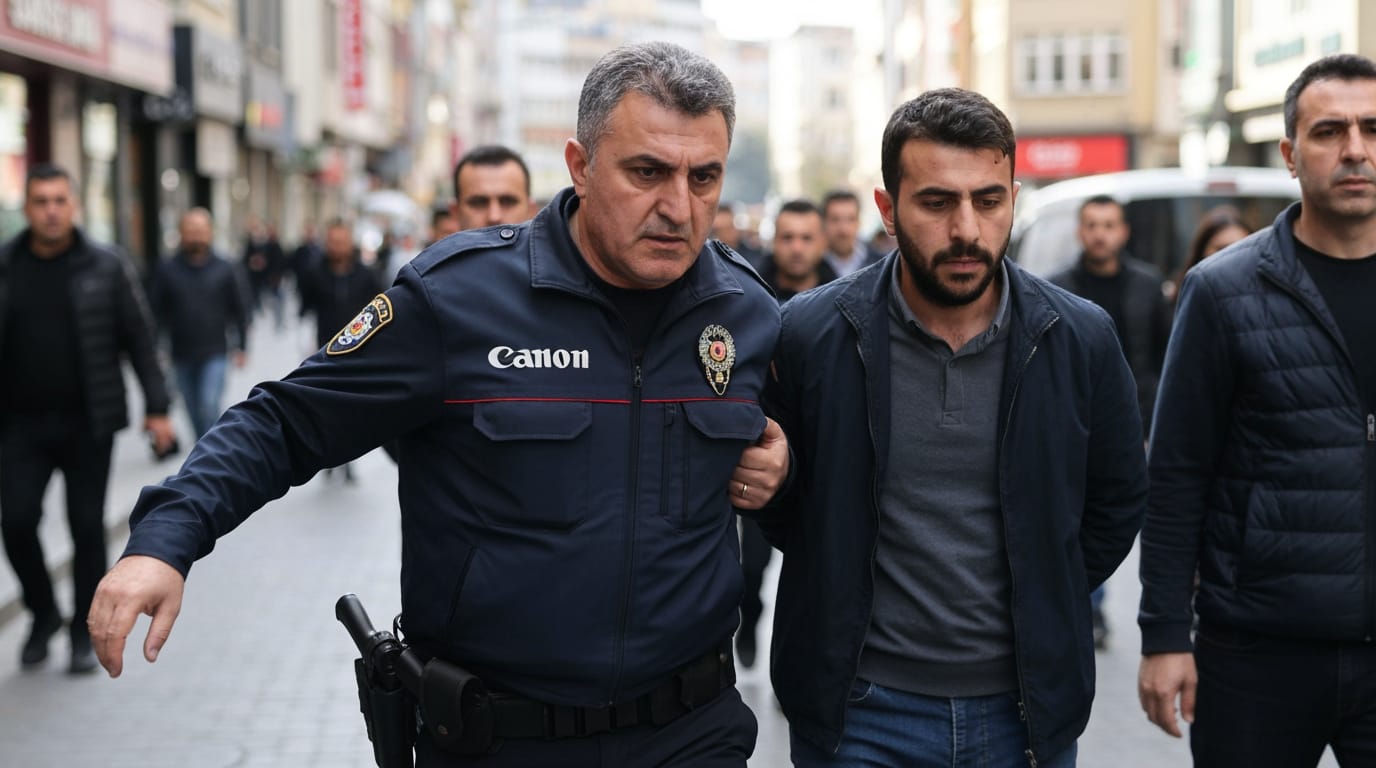
Ankara, Turkey – In the critical days leading up to a high-stakes NATO summit set to convene in the Turkish capital, authorities have dramatically escalated arrests, detaining hundreds across the country under broad anti-terrorism investigations. The sweeping operations, which have ensnared journalists, academics, environmental activists, and political opponents, have ignited a fierce debate over national security imperatives versus civil liberties, drawing sharp criticism from human rights groups and opposition figures. With world leaders, including US President Donald Trump, scheduled to gather on July 7-8, the heightened security measures and mass detentions cast a long shadow over the summit's diplomatic agenda.
Sweeping Pre-Summit Crackdown Intensifies
The intensified security crackdown began weeks before the NATO summit, with initial reports on June 24 detailing the arrest of 209 individuals suspected of ties to ISIS and various far-left groups in an extensive anti-terrorism operation. This was followed by a more comprehensive series of raids around June 22-23 in Ankara, which initially led to the detention of 225 suspects. By June 26-29, an Ankara court formally arrested 178 of these individuals, placing them in pre-trial detention on terrorism-related charges, while 34 others were released under judicial supervision and six were freed outright.
The targets of these operations extend far beyond traditional terrorist suspects. Among those formally arrested were prominent figures such as Yildiz Tar, editor-in-chief of the LGBTQ-focused journal Kaos GL; Emel Memis, an academic from Ankara University; and Nevzat Ozer, from the leading environmental NGO TEMA Foundation, along with several of its volunteers. Legal rights organizations, including the Media and Law Studies Association (MLSA) and the Contemporary Lawyers' Association, have highlighted that journalists, academics, lawyers, trade unionists, teachers, students, and civil society representatives are disproportionately represented among the detained. Further arrests continued into early July, with dozens more, including members of the Labor Party and union leaders, taken into custody in provinces like Kocaeli and Antalya. These operations, authorities claim, are part of "counter-terrorism" investigations aimed at preventing potential disruptions during the high-profile international gathering. The prosecutor's office explicitly stated that the suspects could "carry out terrorist acts in an effort to portray the Republic of Turkey as a country associated with terrorism," leading courts to rule for formal arrests citing strong suspicion of crime, flight risks, and insufficient alternative judicial control measures.
Allegations of Suppressing Dissent and Human Rights Concerns
Despite the official narrative of counter-terrorism, the nature of the interrogations and the profiles of those arrested have fueled widespread criticism that the real intent behind the crackdown is to stifle dissent and prevent protests ahead of the NATO summit. Reports from legal rights groups indicate that during police questioning, environmental volunteers were asked about their membership in the banned Communist Party of Turkey/Marxist-Leninist (TKP/ML), their use of code names, and whether they had received armed training. Similarly, other suspects faced questions regarding their membership in unions, associations, or political parties, as well as their participation in demonstrations.
Such lines of questioning have led critics to argue that the operations are politically motivated and designed to intimidate opposition voices. Opposition leader Özgür Özel condemned the measures as "shameful," emphasizing that many arrests appear preventive and target individuals who have not committed any crimes. The Turkish Journalists' Association (TGC) and the Progressive Lawyers' Association (CHD) have publicly called for the release of detained journalists, asserting that these actions undermine press freedom. These concerns are exacerbated by a strict ban on demonstrations and protests in Ankara during the summit period, effectively curtailing public expression of dissent. The broad scope of the detentions, targeting a wide array of civil society actors under the umbrella of "terrorism," has ignited alarm among international human rights observers, who view it as a troubling escalation of already constrained freedoms in Turkey.
The Diplomatic Backdrop: Ankara's NATO Moment
The intensified crackdown unfolds as Ankara prepares to host one of the most significant diplomatic events on its calendar: the NATO summit on July 7-8. Leaders from all 32 NATO member states, including US President Donald Trump, are expected to attend, making it a critical moment for Turkey on the international stage. The Turkish government has rolled out an unprecedented security apparatus for the event, deploying approximately 40,000 security personnel and imposing severe traffic restrictions across the capital.
This high-profile gathering is not only a logistical challenge but also a crucial opportunity for Turkey to assert its diplomatic standing and navigate complex geopolitical issues within the alliance. The government's resolve to prevent any form of disturbance or negative portrayal during this period appears to be a primary driver behind the extensive security operations. However, the methods employed have drawn scrutiny from beyond human rights circles. Adding to the controversy, NATO reportedly denied accreditation to Turkey's "non-pro-government media" for the Ankara summit, raising further questions about transparency and press access during such a pivotal event. This move has been interpreted by some as an attempt to control the narrative surrounding the summit and minimize critical reporting. The confluence of diplomatic visibility and domestic repression places Turkey in a delicate position, balancing its role as a key NATO ally with its internal policies regarding civil liberties.
A Pattern of Preemptive Security
The current wave of arrests and heightened security measures in Ankara are not an isolated incident but rather indicative of a historical tendency by the Turkish government to undertake extensive security operations prior to major diplomatic events. This approach demonstrates a merging of security, politics, and diplomacy, where the imperative to maintain order and project an image of stability on the international stage often takes precedence. Authorities view these actions as necessary and lawful counter-terrorism measures, designed to ensure the safety of the summit and prevent any attempts to destabilize the country or discredit its image abroad.
However, the consistent application of broad anti-terrorism laws to target a diverse group of individuals, many of whom are engaged in legitimate activism or journalistic work, raises persistent concerns about the erosion of democratic norms. The rationale that these arrests are to counter those who might "portray the Republic of Turkey as a country associated with terrorism" suggests a proactive, even preemptive, strategy to control public perception and prevent any negative narratives from emerging, particularly from within its borders. While the government emphasizes its commitment to combating genuine threats, critics argue that such wide-ranging detentions risk silencing legitimate criticism and fostering an environment of fear, rather than genuine security.
Conclusion
As the NATO summit approaches, Turkey finds itself at a critical juncture, navigating the complex interplay between national security, international diplomacy, and domestic human rights. The extensive pre-summit arrests, while framed by authorities as essential counter-terrorism measures, have ignited significant debate and criticism regarding their impact on civil liberties and freedom of expression. The international community will undoubtedly observe not only the diplomatic outcomes of the NATO summit but also the manner in which Turkey balances its security concerns with its commitments to democratic values and human rights. The events unfolding in Ankara serve as a stark reminder of the delicate balance many nations face when hosting major international events amidst internal political and security challenges, and the potential for such events to illuminate underlying tensions within a country's governance.


