Syrian Democratic Forces Announce Comprehensive Integration Deal with Damascus, Reshaping Northeast Syria
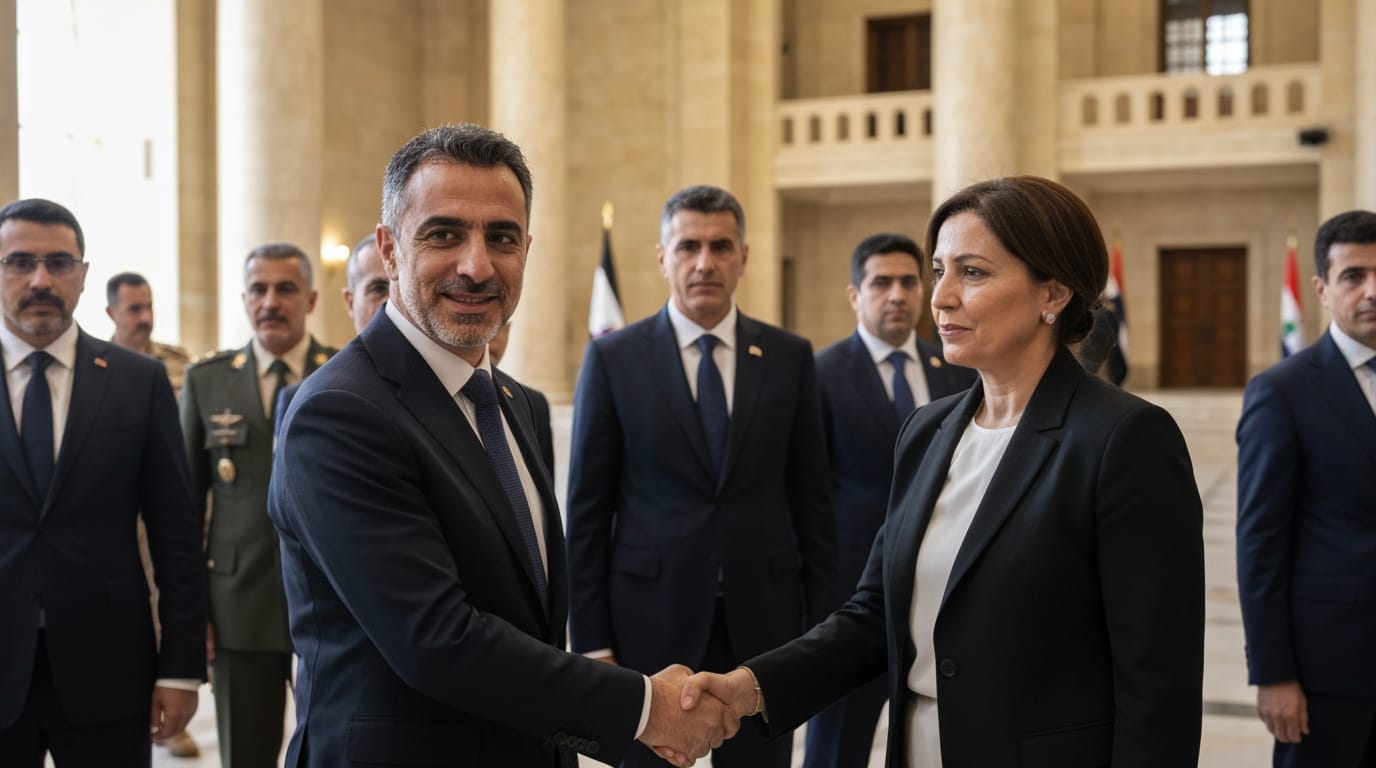
DAMASCUS, Syria – In a landmark development signaling a significant shift in Syria's prolonged conflict, the Kurdish-led Syrian Democratic Forces (SDF) announced Friday a comprehensive agreement with the Syrian government aimed at integrating its military and administrative structures into the Syrian state. The deal, which follows weeks of intense clashes and diplomatic maneuvering, promises a broad ceasefire and the reassertion of central government authority over critical territories in northeastern Syria.
The agreement, declared by the SDF on January 30, 2026, outlines a phased integration process, marking a potential turning point for the region that has largely operated outside Damascus's direct control for years. This accord comes after a rapid military offensive by Syrian government forces under President Ahmed al-Sharaa, which saw the SDF lose substantial territory, compelling a return to the negotiating table.
A New Chapter Amidst Recent Conflict
The announcement arrives on the heels of a volatile period throughout January 2026, characterized by escalating hostilities between the SDF and Syrian government forces. A series of intense clashes erupted, particularly in Aleppo, and quickly spread eastward, leading to a dramatic loss of territory for the SDF. Reports indicate that the SDF lost approximately 80% of its holdings in a mere 24 hours between January 17-18, largely due to defections by Arab fighters to government forces. This rapid territorial shift significantly altered the power dynamics and created an imperative for a new arrangement.
Previous attempts at integration between the two sides throughout 2025, mediated by the United States, had faltered despite an initial framework agreement signed on March 10, 2025. Deadlines set for implementation in August, October, and December of that year were repeatedly missed, with both parties attributing delays to various internal and external factors. The recent offensive, however, seemingly provided the impetus needed to finalize a more extensive agreement, with the U.S. also backing the current ceasefire, indicating a strategic pivot towards the central Syrian government.
Core Tenets of the Agreement
The newly announced comprehensive deal includes several critical provisions designed to stabilize the ceasefire and foster integration. Central to the agreement is a commitment to a full ceasefire, with military forces withdrawing from contact points across the conflict zones. Following this, security forces affiliated with the Syrian Ministry of Interior are slated to deploy into the key northeastern cities of Hasakah and Qamishli, areas that had been under SDF control.
Furthermore, the accord stipulates a merging of local security forces and the integration of SDF fighters into the Syrian military structure. This will include the formation of a new military division comprising three SDF brigades, with an additional SDF brigade to be affiliated with the Aleppo governorate. Beyond military aspects, the agreement extends to the integration of local institutions and their employees from the Kurdish-led administration in northeast Syria into state institutions. Crucially, the deal also addresses human rights, guaranteeing "civil and educational rights for the Kurdish people" and pledging the "return of the displaced to their areas." The stated objective of the agreement is to "unify Syrian territories and achieve full integration in the region by enhancing cooperation between the concerned parties and unifying efforts to rebuild the country."
Implications for Regional Stability
This agreement carries profound implications for the geopolitical landscape of Syria and the broader Middle East. For the Syrian government, it signifies a major step towards reclaiming sovereignty over territories held by the SDF, many of which are rich in resources and strategic importance. The integration of SDF forces into the national army could consolidate the central government's military strength and potentially alter the balance of power against other opposition groups. While Damascus has yet to issue an official statement, Syrian state television has cited unnamed officials confirming the agreement, with one senior government official reportedly calling the deal "final."
For the SDF, a force that was a primary U.S. partner in the fight against the Islamic State (ISIS), this agreement marks the end of its decade-long pursuit of de facto autonomy in northeast Syria. The terms suggest a significant compromise on its part, particularly regarding military and administrative independence, though the inclusion of civil and educational rights for the Kurdish people aims to address some core ethnic demands. The U.S. backing for the ceasefire implies a potential shift in its Syria policy, recognizing the central government's growing influence.
Challenges and Future Uncertainties
Despite the ambitious scope of the agreement, its implementation faces considerable challenges. Previous attempts at integration in 2025 highlight the difficulties of uniting long-standing adversaries and integrating disparate administrative and military structures. Reports from mid-January 2026 indicated that an earlier, 14-point ceasefire agreement, which also outlined SDF integration and the handover of key areas, had collapsed after just a few days of relative calm.
Moreover, the implementation of such a broad deal is complex. In parts of the Jazira region, including areas around Hasakah and Kobane, SDF units have reportedly resisted withdrawal, leading to uneven implementation and sporadic unrest. Concerns have also been raised by the controversial release of hundreds of Islamic State detainees by retreating SDF forces without coordination with Damascus, an act that drew widespread criticism and highlighted the fragility of trust between the parties. The long-term success of this agreement will depend on consistent adherence by both sides, the resolution of local resistance, and continued engagement from international actors to ensure stability and the protection of minority rights. The path forward remains fraught with potential obstacles, but the announcement today signifies a crucial, albeit cautious, step towards a more unified Syrian state.


