Taliban Tightens Grip, Further Isolating Afghan Society
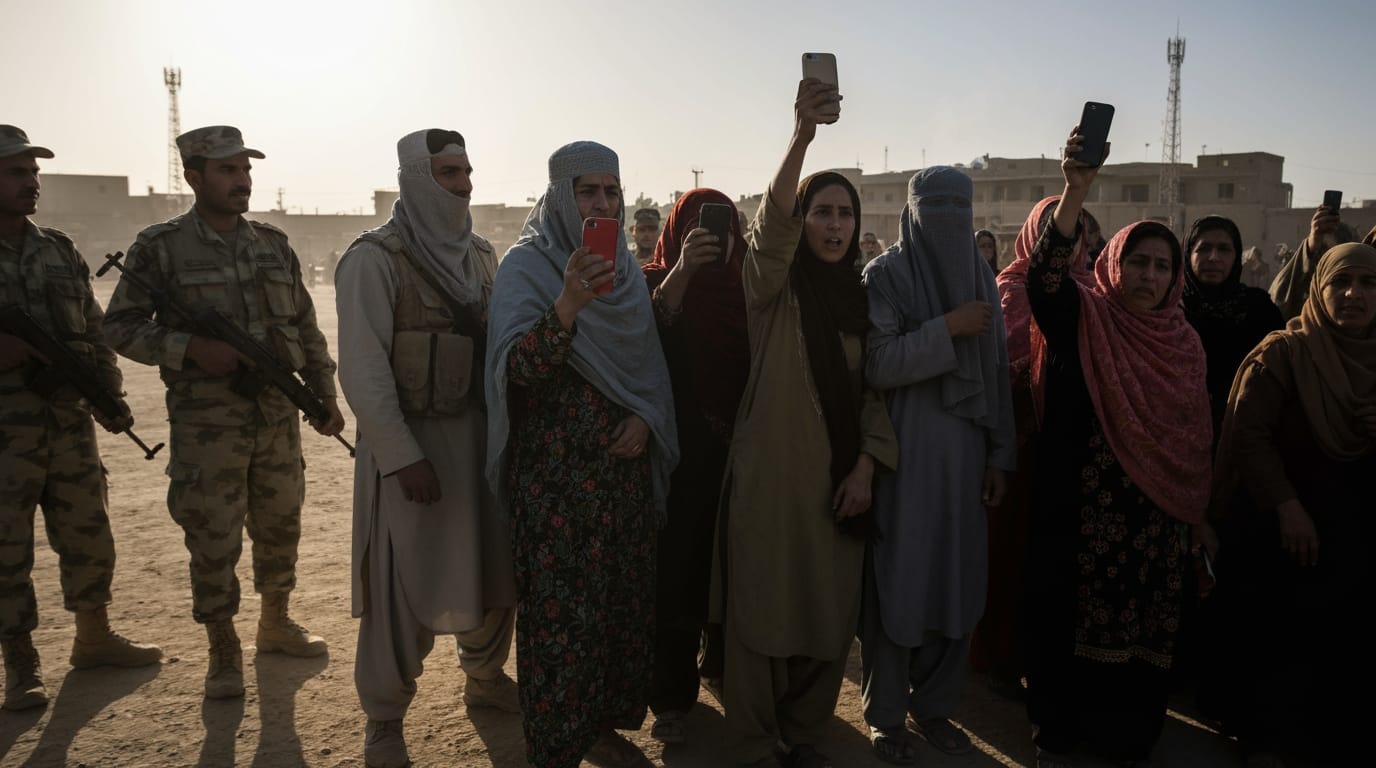
Kabul, Afghanistan – Nearly three years after seizing power, the Taliban authorities are systematically intensifying restrictions across Afghanistan, profoundly impacting the lives of women, curtailing freedom of expression, and imposing new controls over digital communication. A sweeping ban on smartphone use for government officials, coupled with ongoing suppression of protests and severe limitations on women's rights, signals a deepening authoritarianism that further isolates the nation and its populace. These measures are contributing to a pervasive climate of fear and exacerbating an already dire humanitarian crisis.
The Taliban's return to power in August 2021 was met with initial promises of a more moderate rule, particularly concerning women's rights. However, these assurances have rapidly eroded, replaced by a series of edicts that have systematically dismantled two decades of progress and integrated Afghan women into public life. The escalating restrictions now touch nearly every aspect of daily existence, from education and employment to basic mobility and access to information.
The Systematic Eradication of Women's Rights
The lives of Afghan women and girls have been fundamentally altered by an institutionalized system of discrimination that human rights organizations and UN officials describe as "gender apartheid." One of the most immediate and devastating impacts has been the widespread ban on education. Girls are prohibited from attending school beyond the age of 12, and women are barred from universities, making Afghanistan the only country in the world with such extensive educational prohibitions. This educational vacuum not only denies fundamental rights but also perpetuates a cycle of vulnerability, increasing risks of exploitation, ill-treatment, and early marriage.
Beyond education, opportunities for women in the workforce have been severely curtailed. Many women have lost their jobs, and those who remain are often restricted to working from home or require a male chaperone (mahram) for commuting. The ban on women working for non-governmental organizations (NGOs) and UN agencies has been particularly detrimental, hindering the delivery of critical humanitarian aid and disproportionately affecting women's access to vital services.
Freedom of movement has also been severely restricted. Women are generally forbidden from traveling beyond 70 kilometers (approximately 45 miles) without a mahram, and even accessing essential services like healthcare or entering shops is often contingent on male accompaniment. Strict dress codes, including mandatory face coverings in public, are rigorously enforced, with women being arrested for non-compliance and their male relatives facing imprisonment. These policies have profound health implications, as the requirement for a mahram often deters women from seeking medical attention, contributing to Afghanistan's alarmingly high maternal mortality rates. Reports also indicate a 40% increase in gender-based violence against women and girls, with previously established support frameworks for victims having been dismantled.
Silencing Dissent and Controlling the Narrative
The Taliban has systematically suppressed any form of public dissent, making unauthorized demonstrations illegal shortly after their takeover in September 2021. Protests, particularly those led by women advocating for their rights to work and education, have been met with force, arbitrary arrests, and detentions. Taliban forces have been accused of violence against demonstrators, including firing into crowds and beating journalists covering these events. The systematic nature of this suppression has led to many activists going into hiding, effectively stifling public opposition.
In conjunction with suppressing physical protests, the authorities have implemented measures to control information flow, including internet blackouts, justified by vague concerns over "immorality." These digital restrictions aim to prevent the circulation of content that contradicts official narratives or exposes unrest, as seen with videos emerging from protests in cities like Herat.
The Digital Iron Curtain: Smartphone Restrictions Expand
The latest development in this control strategy is a sweeping ban on smartphone use. Taliban leader Hibatullah Akhundzada issued a verbal order banning smartphones for government officials and Taliban members, with military courts tasked with enforcing the directive. Violators risk having their devices smashed and facing legal or Sharia punishment. Videos circulating online reportedly show Taliban members destroying their own phones in compliance.
While initially targeting government personnel, reports indicate that the ban is being implemented in an "ad-hoc" manner, extending to women, civilians, medical workers, schoolteachers, and students in various provinces. In Laghman province, women are specifically prohibited from carrying or using smartphones in public, with searches being conducted by the Ministry for the Promotion of Virtue and Prevention of Vice. The use of camera-equipped phones by women is expressly banned.
The reasons cited for these restrictions include concerns over internal leaks of confidential documents, erosion of productivity among officials, and a broader effort to control the flow of information. A European Parliament Member, Hannah Neumann, suggested that these restrictions are an attempt to hide repression and human rights violations, arguing that every video of a protest or image of abuse weakens the Taliban's control. This digital clampdown risks further isolating Afghanistan from the global community, hindering technological progress, and impeding digital literacy necessary for economic development.
A Nation Under Siege: Humanitarian Crisis and Global Response
These escalating restrictions occur amidst a severe humanitarian crisis, with nearly half of Afghanistan's population, approximately 22.9 million people, reliant on humanitarian assistance. Women and girls are disproportionately affected by this crisis, facing compounded challenges due to their inability to work or access essential services. The lack of female aid workers, directly resulting from Taliban bans, further complicates humanitarian efforts on the ground.
The international community has widely condemned the Taliban's human rights abuses, particularly those against women. The UN Human Rights Council established an independent investigative mechanism in October 2025 to collect and preserve evidence of international crimes. Additionally, the International Criminal Court (ICC) issued arrest warrants in July 2025 for two Taliban leaders on charges of "persecution on gender grounds," a crime against humanity. Several countries, including Germany, Australia, Canada, and the Netherlands, have initiated legal proceedings against Afghanistan before the International Court of Justice for violations of the Convention on the Elimination of All Forms of Discrimination against Women (CEDAW). Despite these international efforts, many organizations express alarm that the global response remains largely ineffective, urging for stronger, coordinated measures to influence the Taliban without further harming the Afghan populace.
The comprehensive nature of the Taliban's latest clampdown underscores a regime determined to control every facet of life, particularly for women, and to tightly manage the information landscape. As Afghanistan faces deepening isolation, the profound human cost of these policies continues to mount, leaving its citizens, especially women and girls, with shrinking freedoms and an uncertain future.


