Tanzania's Expanding Game Reserves: A Shifting Landscape for Northern Communities
ARUSHA, Tanzania – Northern Tanzania, a region globally recognized for its iconic wildlife and vast protected areas, is undergoing a significant transformation. The establishment and expansion of new game reserves and conservation zones, particularly in 2024 and 2025, aim to bolster wildlife conservation efforts and promote eco-tourism, yet these initiatives are simultaneously reshaping the lives and livelihoods of the rural communities that call these lands home. The ambitious push for conservation brings with it a complex interplay of ecological preservation, economic opportunity, and profound social challenges.
The recent surge in protected areas underscores Tanzania's commitment to safeguarding its extraordinary biodiversity. However, this expansion often translates into direct impacts on indigenous communities, who have historically coexisted with wildlife. As conservation boundaries expand and regulations tighten, traditional land uses are being redefined, leading to both promising new opportunities and escalating conflicts over vital resources. The balance between protecting nature's heritage and sustaining human populations remains a critical, evolving challenge.
The Imperative of Conservation: Protecting Tanzania's Wild Heart
Tanzania, already a global leader in wildlife conservation with over 40.5% of its land designated for various protected areas, continues to reinforce its commitment through strategic expansions. In 2024, the Serengeti National Park saw the introduction of new wildlife protection zones, encompassing both core areas and critical migratory corridors essential for the annual wildebeest migration. This was followed by broader expansions in 2025, which included buffer zones around the Serengeti Ecosystem and the Ngorongoro Conservation Area, alongside the establishment of new zones in previously underrepresented habitats such as coastal forests and eastern plateaus. These efforts are primarily driven by the need to preserve biodiversity, boost endangered species like black rhinos, elephants, African wild dogs, cheetahs, and vultures, and improve habitat protection by creating larger, contiguous spaces for wildlife to thrive.
The government's approach integrates strategic legislation, partnerships with international conservation organizations like the World Wildlife Fund (WWF) and the United Nations Development Programme (UNDP), and the deployment of advanced technologies such as drones and satellite monitoring to combat poaching and illegal activities. These measures are designed to enhance anti-poaching patrols, create safe havens for vulnerable species, and secure the vital migratory routes that define Tanzania's natural heritage. Such conservation successes are crucial for maintaining ecological balance and supporting the country's thriving eco-tourism sector.
Shifting Sands: The Impact on Rural Livelihoods
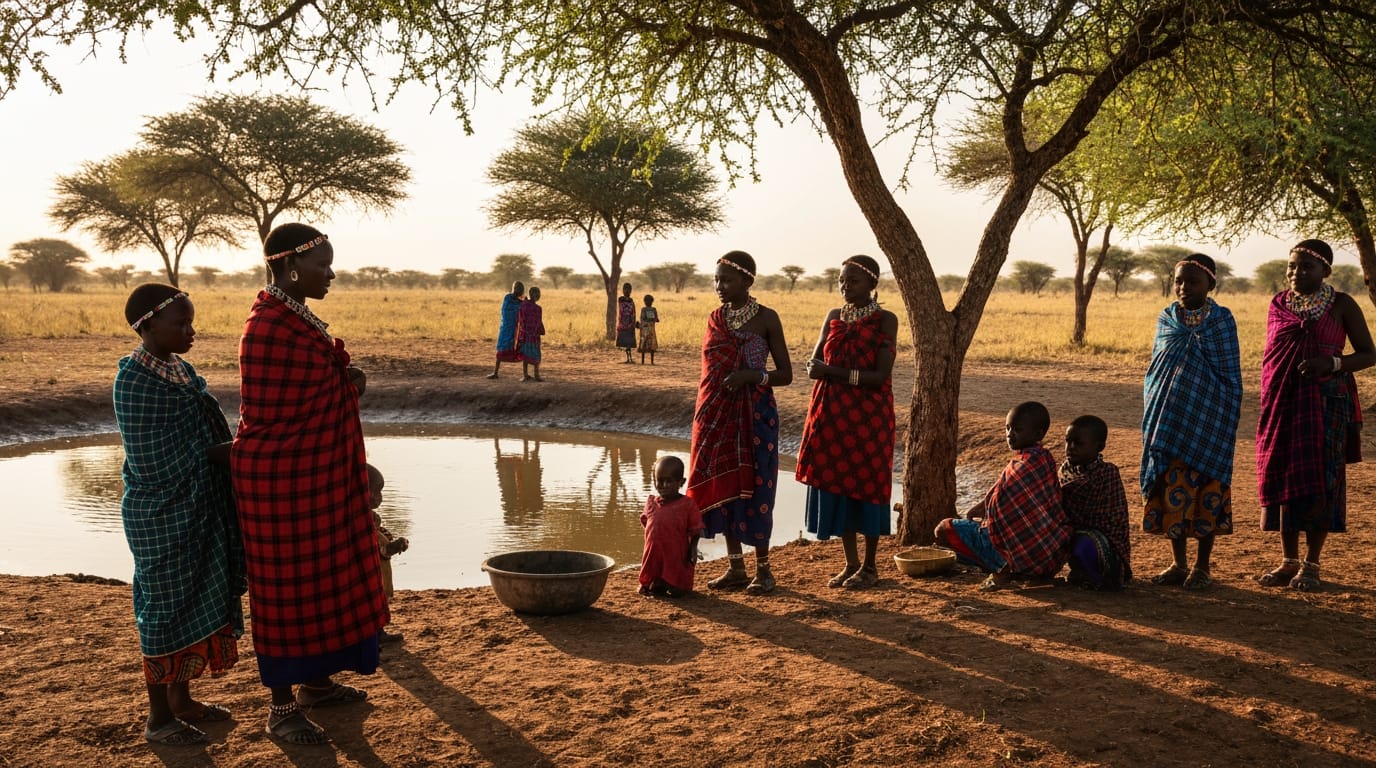
While the conservation gains are significant, the expansion of protected areas inevitably leads to considerable changes for rural communities, many of whom rely on traditional pastoralism and agriculture. The establishment of game reserves has frequently come at the expense of traditional lands, particularly for pastoralist groups like the Maasai, sparking disputes over land rights, access, and use. In some instances, communities face evictions and restrictions on grazing lands, which are fundamental to their way of life and economic practices. A study focusing on the Mkungunero Game Reserve, for example, indicated that a significant majority of respondents (82%) reported negative impacts on their lives, including property destruction, physical injuries, and disruptions to education and employment.
The increased protection of wildlife has also contributed to a rise in human-wildlife conflict (HWC). As animal populations swell and habitats are secured, wildlife frequently ventures into human settlements, damaging crops, predating livestock, and occasionally causing injury or death to people. Elephants are notorious for crop raiding, while lions pose a threat to livestock, often leading to retaliatory killings by affected communities. This conflict is particularly acute in areas bordering protected zones and along traditional wildlife migration corridors, which are increasingly threatened by expanding human cultivation. The limitations placed on traditional nomadic lifestyles and access to critical resources like water and pasture have prompted concerns about the erosion of cultural customs and social institutions.
The Promise and Peril of Eco-Tourism
Alongside the challenges, the expansion of game reserves is heralded as a catalyst for economic development through eco-tourism. Tourism is a major economic driver for Tanzania, contributing approximately 17.2% to the country's GDP and about 24% of its exports. The growth of the sector is projected to create 1.5 million jobs. New conservation zones are expected to open up exclusive, off-the-beaten-path safari experiences, attracting high-value, low-impact tourism. Investments in safari lodges, camps, and related infrastructure are actively encouraged, with government entities like the Tanzania National Parks (TANAPA) and the Tanzania Wildlife Management Authority (TAWA) promoting opportunities for sustainable tourism.
These initiatives offer communities potential benefits, including job creation in park management, anti-poaching patrols, and alternative livelihood programs. Local businesses, such as those providing guiding services, handicrafts, and cultural tours, also stand to gain. Community-based tourism initiatives are seen as a way to channel direct income to villagers, supporting local schools and health centers while simultaneously helping to preserve cultural traditions. For instance, the Serengeti Community Conservation Forum works to coordinate efforts and solve problems collaboratively, while organizations like Wild Impact provide direct support for social amenities in Maasai communities near the Pololeti Game Reserve. Some protected areas, such as Mikumi and the former Selous Game Reserve (now Nyerere National Park), have implemented benefit-sharing mechanisms that have shown positive outcomes in improving livelihoods and community participation in conservation.
Navigating a Complex Future
The narrative of expanding game reserves in northern Tanzania is one of complex trade-offs. While there is clear evidence of substantial investment in conservation and the economic opportunities presented by eco-tourism, the negative impacts on rural livelihoods, particularly through land loss and increased human-wildlife conflict, remain a pressing concern. Critics often argue that conservation efforts sometimes prioritize wildlife over the immediate needs of local populations, leading to marginalization and insufficient benefit-sharing. In some cases, communities perceive that the majority of tourism benefits flow to external entities rather than to them directly.
Addressing these challenges requires a nuanced approach that prioritizes genuine community involvement and equitable benefit distribution. Education programs are crucial for fostering coexistence with wildlife, and sustainable tourism models that minimize environmental impact are essential. Furthermore, securing international aid and expertise can provide much-needed resources for management and anti-poaching efforts. The ongoing dialogue between conservationists, government agencies, and local communities will be vital in forging a sustainable path forward, one that recognizes the intrinsic link between a thriving ecosystem and the well-being of the people who share its landscapes. The continued evolution of rural life in northern Tanzania will depend on the successful integration of conservation goals with the human imperative for secure and prosperous livelihoods.