Thailand at a Crossroads: Nation Prepares for Pivotal 2026 General Election and Referendum
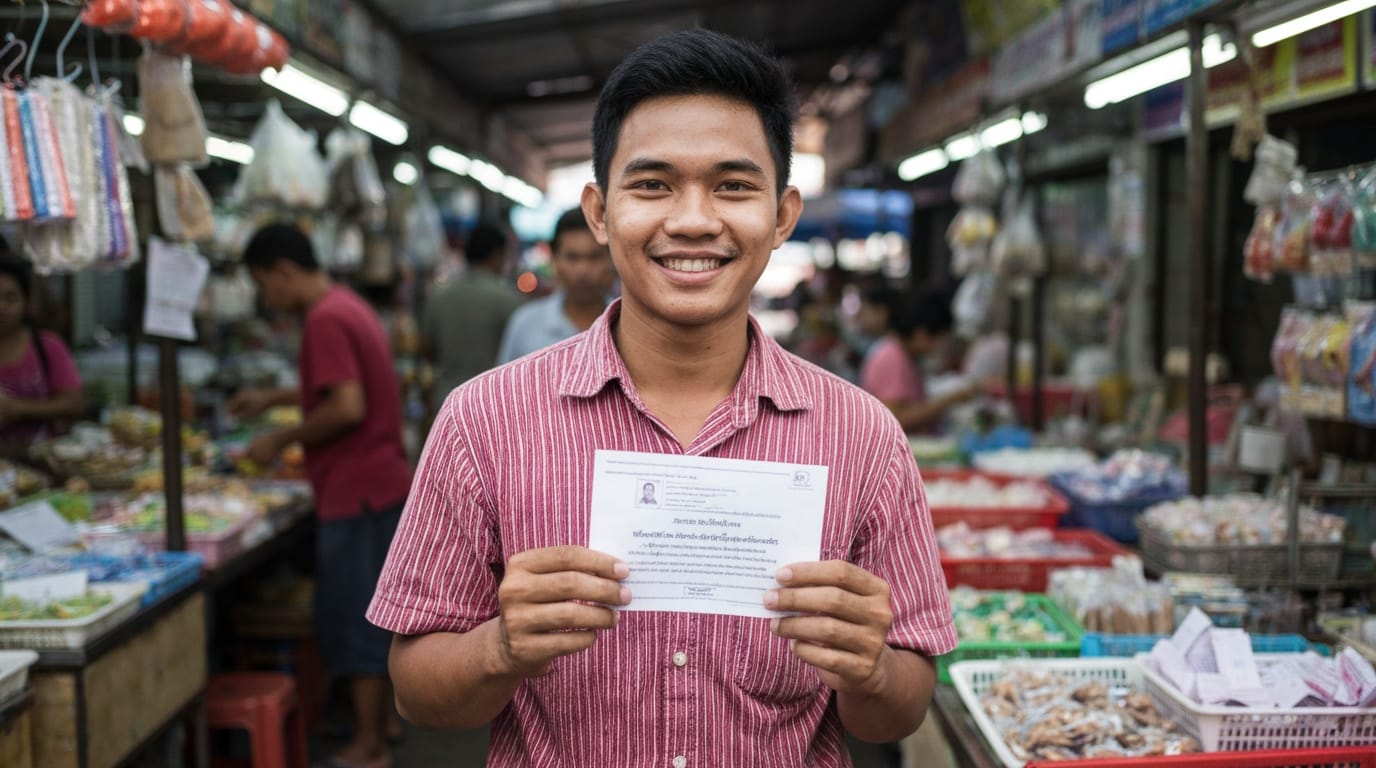
Thailand is poised for a significant political juncture as it heads to the polls on Sunday, February 8, 2026, for a snap general election that will simultaneously see citizens vote in a national referendum on constitutional reform. This dual electoral event, initiated by the dissolution of the House of Representatives on December 12, 2025, marks a critical moment for the Southeast Asian nation, which has grappled with prolonged political instability and a series of governmental shifts in recent years. The outcomes are anticipated to shape Thailand's political direction, internal policies, and its standing within a dynamic regional landscape.
The Road to the Ballot Box: An Unprecedented Dual Vote
The Election Commission of Thailand (ECT) officially confirmed February 8, 2026, as the date for the general election, following the royal decree dissolving the House of Representatives. This decision came after an agreement in September 2025 where the People's Party and Bhumjaithai agreed to support Anutin Charnvirakul as Prime Minister, with a condition to dissolve the House within four months. Voters will engage in an unprecedented "three-in-one" election, receiving two ballots for the general election and a third for the constitutional referendum. The general election aims to fill all 500 seats in the House of Representatives: 400 members will be directly elected from constituencies, and 100 will be chosen from party-list nominees, allocated based on each party's proportional share of the vote. These 500 elected representatives will subsequently select the next prime minister.
The constitutional referendum asks voters whether they agree that a new constitution should be written, offering choices of "Agree," "Not agree," or "No comment." This concurrent electoral process is projected to be Thailand's most expensive national vote to date, with an estimated cost of 8.97 billion baht. For eligible voters, who must be Thai nationals and registered residents of their constituency for at least 90 days, advance voting was available on February 1, 2026, for those registered domestically or overseas.
A Contested Political Landscape and the Search for Majority
The upcoming election unfolds against a backdrop of recent political turbulence, including the collapse of two previous administrations. This has intensified the focus on the major political parties vying for power: Bhumjaithai, Pheu Thai, and the People's Party. Public opinion polls indicate that the opposition People's Party, led by 38-year-old prime ministerial candidate Natthaphong Ruengpanyawut, currently holds a strong position. Meanwhile, Pheu Thai has put forth its own slate of three prime ministerial candidates, including Yodchanan Wongsawat, Julapun Amornvivat, and Suriya Juangroongruangkit. Anutin Charnvirakul of Bhumjaithai serves as the current caretaker Prime Minister and is facing a significant challenge to retain his position.
Analysts widely anticipate that no single party will secure an outright majority in the 500-seat House of Representatives, making post-election coalition negotiations crucial to forming a government. While the People's Party may emerge with the most seats, its progressive reform agenda, particularly regarding the military, could present hurdles in finding coalition partners. Notably, the military-appointed Senate, which previously played a role in selecting the prime minister, will not participate in this upcoming selection process, signaling a shift in the power dynamics.
Defining Issues and Deep-Seated Challenges
Beyond the immediate scramble for votes, the 2026 election is being fought over several profound issues that reflect Thailand's ongoing societal and political evolution. The constitutional referendum itself speaks to a deep-seated desire for reform and a re-evaluation of the nation's governance framework.
Drug policy has also emerged as a significant campaign issue. Thailand is confronting a robust methamphetamine market and rising concerns about cybercrime linked to the drug trade. The debate centers on whether to continue with a strictly law enforcement-centric approach, reminiscent of past "wars on drugs," or to pivot towards a human-rights-based, public health approach that emphasizes harm reduction.
Geopolitical concerns also cast a shadow over the election, including renewed tensions along the Thai-Cambodian border and worries about the infiltration of transnational scam and "grey capital" networks affecting state and financial institutions. These issues underscore the complex challenges awaiting the next government, requiring careful navigation of both domestic and international pressures.
The Path Forward and the Quest for Stability
This election serves as a critical test of Thailand's capacity to break a prolonged cycle of political instability, a nation that has experienced 12 successful coups since 1932. Despite democratic transitions, Thailand has recently been categorized as "Not Free" by Freedom House and an "electoral autocracy" by V-Dem, pointing to concerns over democratic reversals, such as the dissolution of political parties and the removal of prime ministers through judicial processes.
The outcome of the February 8 vote will not only determine the composition of the next government but also signify the public's appetite for change, reform, or a return to established order. The new House of Representatives, once convened after the official results are announced by April 9, will face the immediate task of electing a new prime minister and parliamentary speakers.
Conclusion: A Nation's Defining Moment
Thailand's 2026 general election and concurrent constitutional referendum represent a defining moment for the country. With a dynamic political landscape, a array of pressing societal issues, and the persistent quest for durable democratic institutions, the decisions made by millions of voters on February 8 will undeniably steer the nation's course for the foreseeable future. The high stakes involved underscore the significance of this election as Thailand seeks to chart a stable and prosperous path forward.


