Sudanese Dentists Emerge as Vital Force in Uganda's Refugee Oral Healthcare Crisis
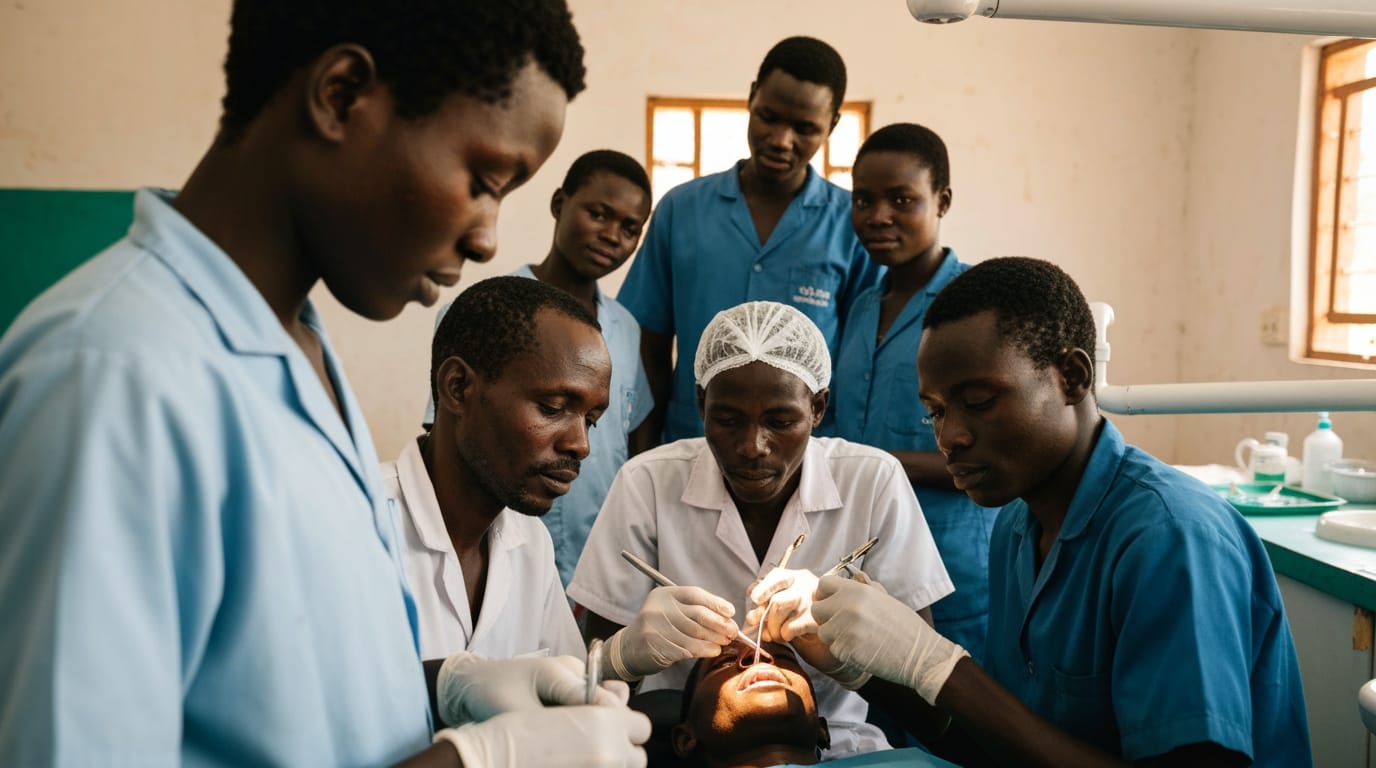
KAMPALA, Uganda – Amidst the persistent humanitarian challenges gripping East Africa, a crucial and often overlooked aspect of public health is finding an unexpected source of resilience in Uganda: oral healthcare for refugees. Thousands of Sudanese professionals, including dentists, fleeing conflict in their homeland, are gradually becoming an integral part of the effort to rebuild and bolster dental services within Uganda's burgeoning refugee settlements, tackling widespread oral health issues that have long plagued these vulnerable populations. Their integration, while nascent and fraught with systemic challenges, offers a beacon of hope for improved health outcomes and self-reliance in communities struggling with limited resources.
The Dire State of Oral Health in Refugee Settlements
Uganda hosts one of Africa's largest refugee populations, with significant numbers arriving from Sudan, particularly since the escalation of conflict in April 2023. These new arrivals join a pre-existing demographic of South Sudanese refugees, further straining already stretched resources. The oral health needs within these settlements are critical. Refugees often arrive with neglected oral health, a consequence of limited access to care in their home countries during conflict and arduous journeys. Studies indicate a high prevalence of dental caries and periodontal diseases among refugee children and adults, with many experiencing chronic pain and difficulty eating. For instance, data highlights that nearly half of refugees report a "poor" mouth condition, and four out of five experience pain and difficulty eating due to dental issues. This burden of disease is exacerbated by the often-unhygienic conditions, poor nutrition, and lack of consistent oral hygiene practices within camps, where basic resources like toothbrushes and toothpaste are scarce. The absence of timely intervention can lead to severe health complications, affecting overall physical health, nutrition, and even psychological well-being.
From Crisis to Opportunity: Sudanese Professionals in Exile
The ongoing conflict in Sudan has not only displaced millions but has also severely crippled the nation's healthcare infrastructure and educational institutions. Dental schools and clinics have been damaged, looted, or repurposed, leading to significant disruption in training and practice. This devastation has forced countless skilled professionals, including dentists, to seek refuge in neighboring countries like Uganda. These individuals, once pillars of their communities, often find themselves in precarious situations, facing unemployment and significant barriers to practicing their professions in their host countries. Common obstacles include the non-recognition of foreign qualifications, stringent licensing requirements, language barriers, and a lack of financial resources to navigate these complex processes. Despite these formidable challenges, the arrival of these skilled individuals represents an untapped reservoir of expertise that could significantly enhance the provision of specialized services in underserved areas. Many refugees arrive with valuable skills and degrees, yet often lack the capital or regulatory pathways to utilize them effectively.
Collaborative Efforts to Bridge the Dental Care Gap
In response to the immense oral health crisis, various humanitarian organizations and local initiatives have stepped up to provide essential dental care. Organizations like Dentaid and CRESS (Christian Relief and Education in South Sudan) have been instrumental in delivering oral hygiene education and emergency dental treatment to South Sudanese refugees in northern Uganda since at least 2018. Dentaid, a UK charity, supports Ugandan dental professionals in running outreach clinics in remote communities, schools, prisons, and orphanages, utilizing portable dental equipment to provide services such as extractions, fillings, and fluoride varnish applications. These efforts often involve local teams working with community leaders, emphasizing oral health education as a key component. Similarly, Medical Teams International (MTI) has been providing life-saving medical care, including health and nutrition services, to refugees and host communities in Uganda for decades, now intensifying their focus due to the influx of Sudanese refugees.
While specific data on a widespread, organized program of "Sudanese refugee dentists rebuilding care" is not extensively detailed in the available records, the presence of skilled Sudanese refugee dentists within these general refugee populations is highly probable. Their expertise offers a crucial, culturally sensitive resource that can augment the efforts of existing aid organizations. Their ability to communicate in shared languages and understand cultural nuances can help overcome significant barriers to care, such as fear, alternative beliefs about dental health, and unfamiliarity with host country healthcare systems, which refugees often experience. Local organizations like Good Hope Dental African Mission, founded in 2019, also provide free dental services and educational workshops in underprivileged communities across Uganda, showcasing a model where skilled professionals, potentially including refugee dentists, can contribute significantly.
Navigating Systemic Barriers for Sustainable Integration
The path for Sudanese refugee dentists to formally contribute their skills remains challenging. The process of credential verification and re-licensing in Uganda can be lengthy, costly, and complex. This often leaves highly qualified individuals unable to practice, leading to a waste of valuable human capital and further exacerbating healthcare shortages. Addressing these systemic barriers is crucial for the sustainable integration of refugee professionals. Initiatives that facilitate accelerated credentialing, provide bridging programs, or offer supervised practice opportunities could unlock the potential of these dentists. Such programs would not only alleviate the oral health burden but also foster self-reliance and dignity among refugee communities, aligning with broader humanitarian goals of empowering displaced populations. The Danish Refugee Council's START project in Kampala, for example, focuses on community-led responses to empower Sudanese refugees towards self-reliance, recognizing the potential of skilled refugees to benefit the local economy.
A Future Built on Collaboration and Resilience
The growing presence of Sudanese refugees in Uganda, including a cohort of trained dental professionals, presents both an immediate challenge and a profound opportunity. While the oral health needs across refugee settlements remain pressing, the resilience and expertise of these displaced dentists, coupled with the ongoing support from international and local humanitarian organizations, offer a powerful synergy. By systematically addressing the barriers to professional integration and fostering collaborative frameworks, Uganda can transform a crisis into a sustainable solution for its refugee populations. Leveraging the skills of Sudanese refugee dentists not only provides much-needed care but also champions the principle that displaced professionals can, and do, contribute significantly to their host communities, rebuilding not just oral health, but also hope and self-sufficiency. The journey is long, but the collective efforts underscore a commitment to ensuring that basic human rights, including access to essential healthcare, are upheld for all, even in the most challenging circumstances.


