The German Ascent: Philippine Schools Forge New Pathways to Global Opportunity
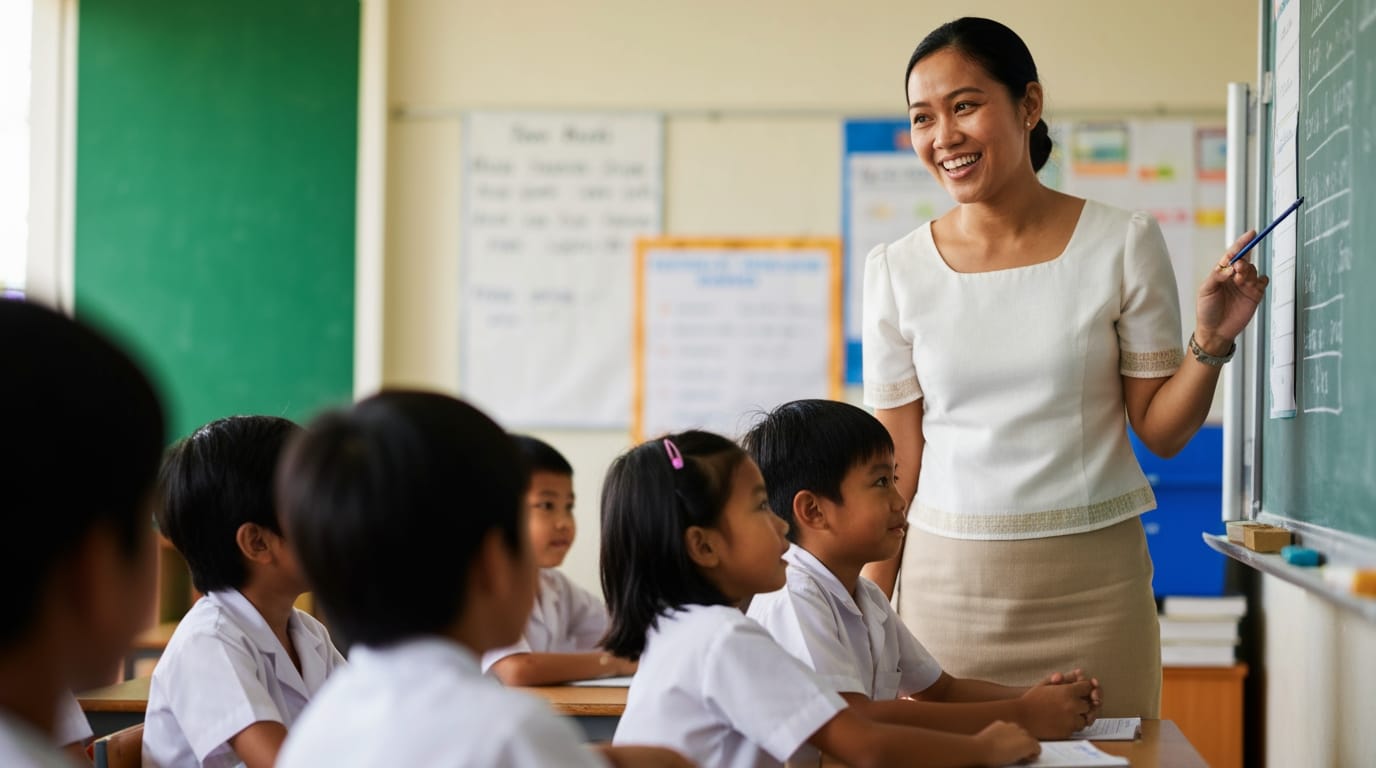
In an increasingly interconnected world, Philippine educational institutions are strategically embracing foreign languages, with German emerging as a surprising, yet significant, offering. What began as a pilot program in a handful of public high schools has steadily expanded, creating new academic and professional avenues for Filipino students and cementing a unique cultural bridge between the two nations. This linguistic initiative underscores a broader national effort to enhance global competitiveness and provide tangible benefits to its youth.
A Strategic Alliance for Global Competitiveness
The concerted effort to integrate German language instruction into the Philippine curriculum dates back to around 2010. This pivotal moment saw the Department of Education (DepEd) forge a crucial partnership with the Goethe-Institut, Germany's esteemed cultural institution. The collaboration aimed to introduce a two-year beginner's course in German, initially implemented in 12 selected public high schools across the archipelago. These schools, chosen for their high achievement rates, began offering intensive German language training to up to 25 of their top students, dedicating four hours a week to the new subject. This move marked German's inclusion in DepEd's Special Program for Foreign Languages (SPFL), an initiative that already encompassed Spanish, Japanese, and French, signaling a strategic diversification of linguistic offerings within the national education system. The program's inception was not merely about linguistic diversity; it was a forward-thinking response to global demands, designed to equip a new generation with the tools for international engagement.
The PASCH Initiative: Fostering Deeper Connections
A cornerstone of this expanding linguistic landscape is the "Schools: Partners for the Future" (PASCH) initiative. Launched by the Foreign Office of the Federal Republic of Germany, PASCH is a worldwide network designed to establish lasting connections and awaken young people's interest in modern Germany and its society. The Goethe-Institut Philippinen serves as the local implementing partner, working hand-in-hand with DepEd to support an exclusive network of "excellent schools." This initiative offers a broad spectrum of services, ranging from providing high-quality German language instruction and well-equipped learning spaces to offering summer courses in Germany and even full German Academic Exchange Service (DAAD) scholarships for university studies in Germany. The PASCH program transforms the pursuit of a foreign language from an academic exercise into a direct pathway for cultural immersion and advanced education, opening doors for Filipino students to experience German culture and scholarship firsthand. By 2015, the network had grown to include nine public and two private schools offering German classes, with some, like New Era in Quezon City and the German-European School in Paranaque, officially recognized as PASCH schools.
Beyond the Classroom: Opportunities and Motivations
The enthusiasm for German language learning in the Philippines is not solely driven by academic curiosity; it is deeply rooted in practical motivations and the promise of enhanced opportunities. A primary driver is the significant demand for German speakers in both the Philippine job market and German firms operating globally. Learning German is seen as a tangible asset that boosts qualifications for careers not only within Germany but also in international companies with German ties. As Goethe-Institut language consultant Helmut Frielinghaus noted, there is a "huge demand" for German speakers and numerous offers for study possibilities in Germany for Filipinos.
Beyond employment, the prospect of pursuing higher education in Germany is a powerful incentive. German universities are renowned for their quality and, in many cases, offer tuition-free education, making them an attractive option for students seeking world-class academic training without the burden of prohibitive costs. The ability to speak German provides the essential linguistic foundation for studying in Germany, which can then lead to international careers. This dual promise of academic advancement and professional mobility underpins the strategic value of German language proficiency for many Filipino families and students.
Cultivating Expertise: Teacher Training and Program Evolution
The successful implementation and growth of the German language program have hinged significantly on the development of a qualified teaching corps. Recognizing this critical need, the Goethe-Institut and DepEd invested heavily in comprehensive teacher training. An initial group of 40 teachers underwent intensive training sessions during school breaks and continued their professional development on Saturdays, with German trainers providing ongoing assistance in lesson preparation. This sustained commitment to teacher empowerment ensures the delivery of high-quality instruction, forming the backbone of the program's success.
The SPFL classes, including German, are often reserved for "honors sections" or students who have already demonstrated proficiency in English, typically in the 3rd and 4th years of high school. This approach ensures that students entering the German language program possess a strong academic foundation, enabling them to tackle the complexities of a new language effectively. The program's evolution reflects a responsive and adaptive strategy, continually refining its approach to maximize student success and meet the increasing interest in German.
A Look Back to Build Forward
While the recent resurgence of German language instruction is notable, its presence in Philippine education has historical roots. During the mid-19th century, German, alongside French, English, and Spanish, was likely taught in tertiary institutions. For many years, the study of a foreign language, including German, was even a requirement for college admission. This historical context suggests a recurring recognition of German's academic and practical value within the Philippines. The contemporary embrace, however, is far more structured and strategically aligned with global economic and academic opportunities.
The journey of the German language in Philippine schools illustrates a forward-looking educational strategy. From a pilot program to a growing network integrated into the national curriculum, the initiative has successfully opened new avenues for students to pursue international education and career paths. Through robust partnerships, targeted programs like PASCH, and a clear understanding of the benefits of multilingualism, Philippine schools are not just teaching a new language; they are building bridges to global opportunities and fostering a generation equipped for a highly interconnected world. This sustained commitment to linguistic diversity and international collaboration stands to enrich both the individual lives of students and the broader socio-economic landscape of the Philippines.


