Thaksin Shinawatra Granted Early Parole, Set for May 11 Release
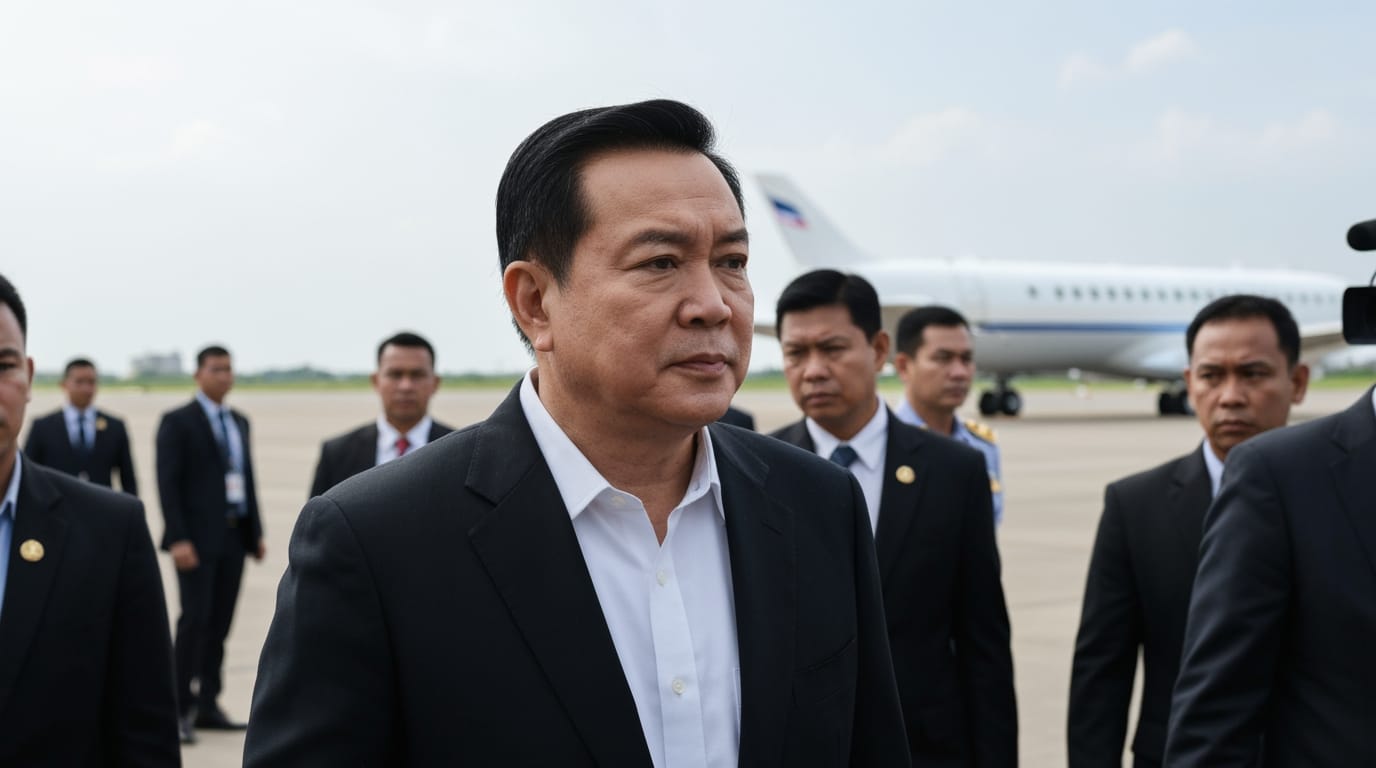
BANGKOK – Former Thai Prime Minister Thaksin Shinawatra, a towering and often polarizing figure in the nation's political landscape, has been granted early parole and is scheduled for release on May 11. The decision, made by a Justice Ministry-level parole committee on April 29, follows months of speculation and intense public scrutiny since his return from 15 years of self-imposed exile. His impending release marks a significant moment for Thailand, potentially reshaping its intricate political dynamics and igniting further debate over the treatment of influential figures within the justice system.
The Justice Ministry's parole committee approved the release of the 76-year-old former leader, citing his advanced age and chronic health conditions as qualifying factors under national regulations. Thaksin, who has been serving a one-year sentence, will have completed the minimum two-thirds of his term required for parole eligibility by his release date. Upon his release from Klong Prem Central Prison, he will not be required to wear an electronic monitoring (EM) bracelet, as confirmed by several official reports. He will, however, remain under probation supervision for an additional four months, with his full discharge from correctional oversight expected on September 9, 2026. Conditions of his parole stipulate that he must report to a probation officer within three days of his release and reside at a declared address, identified in reports as Ban Chan Song La in Bangkok's Bang Phlat district.
Thaksin's journey to parole is rooted in a complex legal and political saga that recommenced with his dramatic return to Thailand in August 2023. He arrived facing an eight-year prison sentence stemming from corruption and abuse-of-power convictions dating back to his time in office before the 2006 military coup. Shortly after his return, a royal pardon reduced his sentence to a single year, a move that immediately drew national attention. For several months, Thaksin was held at a police hospital, with officials citing his ill health as the reason for his stay there instead of a standard prison cell. This arrangement sparked widespread public debate and allegations of preferential treatment. In September 2025, the Supreme Court ruled that his prolonged stay in the police hospital did not count as lawful detention and that he must serve the remainder of his one-year term within a correctional facility, leading to his transfer to Klong Prem Central Prison.
The timing of Thaksin's return in August 2023 coincided directly with the formation of a new government led by the Pheu Thai party, a political entity largely seen as a continuation of his political movement. This convergence of events fueled speculation among observers regarding a potential political deal between his allies and the conservative establishment, which had historically been his adversaries. The alliance formed by Pheu Thai, which included military-linked parties, effectively sidelined the progressive Move Forward Party, despite its victory in the 2023 general election. Thaksin's daughter, Paetongtarn Shinawatra, now leads the Pheu Thai party, ensuring the Shinawatra family's continued prominent role in Thai politics. His release is widely viewed as a pivotal step in a broader political realignment, reflecting a potential reconciliation between traditionally opposing factions in Thailand.
Despite the official reasons for his parole, the circumstances surrounding Thaksin's abbreviated incarceration have kept him at the center of intense political discussion. Allegations of special privileges and a "backroom deal" have persisted, underscoring deep-seated divisions within Thai society regarding the rule of law and political accountability. Critics contend that the episode highlights a system where justice can be influenced by political objectives and power. Furthermore, Thaksin continues to face legal challenges, including an ongoing case under Article 112 of the Criminal Code, the stringent lèse-majesté law, which could yet impact his future political maneuverability. His release, therefore, while officially predicated on age and health, carries profound implications for the country's political future, indicating a new chapter in the enduring influence of the Shinawatra family and the evolving nature of power in Thailand.
Thaksin Shinawatra's parole and anticipated release mark more than just the end of a short prison term; they represent a potential shift in Thailand's political equilibrium. After years of exile and a brief, controversial return to custody, his emergence into probationary freedom is poised to test the country's delicate political alliances and public perceptions of justice. His return to the public sphere, even under conditions, suggests an ongoing, formidable presence in Thailand's political narrative, promising continued observation and analysis of his influence on the nation's future direction.


