UN Rights Chief 'Appalled' by Escalating Arrests and Executions in Iran Amid Regional Tensions
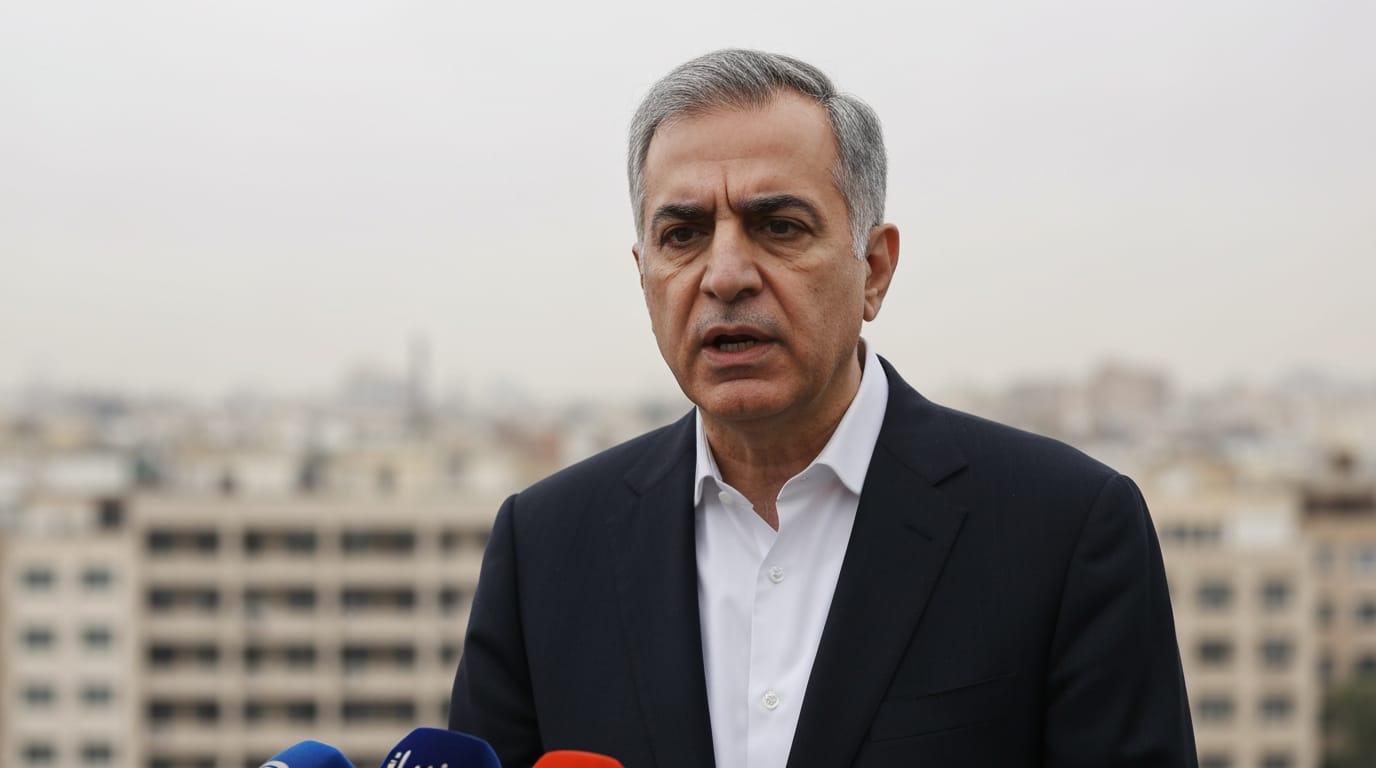
GENEVA – The United Nations Human Rights Chief, Volker Türk, has expressed profound dismay over a severe crackdown in Iran, citing at least 21 executions and more than 4,000 arrests since late February 2026. This escalation in punitive measures by Iranian authorities is unfolding against a backdrop of intensified regional tensions and follows earlier widespread protests, with the UN cautioning that the rights of the Iranian people are being systematically eroded through harsh and brutal tactics.
The recent surge in detentions and executions comes as a "US-Israeli war in Iran" or "Middle East war" reportedly began in late February 2026, creating a volatile environment where human rights concerns are increasing exponentially. Türk underscored that even when national security is invoked, fundamental human rights, such as protection against arbitrary detention and the right to a fair trial, must be absolutely respected. He urgently called on Tehran to halt all further executions, establish a moratorium on capital punishment, ensure full due process, and immediately release those arbitrarily detained.
Broad Application of 'National Security' Charges
Iranian authorities are reportedly leveraging broadly defined "national security-related charges" to prosecute individuals, a practice that places many, including children, at risk of capital punishment. The judicial proceedings for those accused are frequently expedited, often denying defendants access to legal counsel of their choice. Reports also detail regular occurrences of torture, mistreatment, and coerced confessions, some of which have been televised. These deeply concerning practices undermine the principles of justice and fairness.
Among the 21 individuals executed since late February, at least nine were reportedly linked to protests that occurred in January 2026. Another ten were executed for alleged membership in opposition groups, and two faced execution on espionage charges. This pattern suggests a deliberate use of capital punishment and mass arrests to suppress dissent and maintain control. Beyond the executions, an estimated 4,000 individuals have been apprehended on national security grounds, further highlighting the extent of the crackdown.
The conditions within Iran's detention facilities have also drawn severe criticism. Detainees reportedly endure severe overcrowding, acute shortages of essential supplies such as food, water, hygiene provisions, and medicine, and are routinely denied necessary medical care. Many have been subjected to enforced disappearance, torture, or other forms of cruel, inhuman, and degrading treatment, including mock executions, exacerbating the humanitarian crisis within the prison system.
Disproportionate Impact on Minorities
The UN Human Rights Office has highlighted that individuals from ethnic and religious minorities are particularly vulnerable to these repressive measures. Baháʼís, Zoroastrians, Kurds, and Baluch Iranians face heightened risks of arrest, prosecution, and execution under the current climate. This disproportionate targeting exacerbates existing societal inequalities and raises concerns about systemic discrimination within the justice system.
For instance, in 2024, reports indicated that Baluchi and Kurdish prisoners were disproportionately represented among those executed, accounting for 11% and 9% of the total, respectively. These figures underscore a disturbing trend where marginalized communities bear a heavier burden of the state's punitive actions, often with limited access to fair legal representation or due process.
Echoes of Past Protests and Broader Trends
The current human rights crisis follows a period of intense unrest in Iran, notably the "Woman, Life, Freedom" protests that erupted in September 2022 after the death of Mahsa Amini in police custody. Amini, a 22-year-old Kurdish woman, was arrested for allegedly not complying with Iran's mandatory dress code and died three days later. Her death ignited nationwide demonstrations, described as "unlike any the country had seen before" and the "biggest challenge" to the government since the 1979 Islamic Revolution.
The government's response to these protests was severe, resulting in the deaths of at least 551 protesters, including 68 minors, by March 2024, according to a UN Fact-Finding Mission. Thousands were arrested, with estimates reaching 19,262 by January 2023. While some 22,000 detainees were reportedly pardoned in connection with the 2022-2023 protests, many were allegedly coerced into signing confessions or committing not to participate in future demonstrations, and some were subsequently re-arrested. The protests broadened in scope beyond Amini's death, with demonstrators demanding an end to the mandatory hijab, the morality police, theocratic rule, and widespread human rights violations.
The general trend in Iran's use of the death penalty remains alarming. Iran consistently executes more people annually than any other nation except China. In 2023, 834 executions were documented, marking a 43% increase from 2022 and representing the second-highest number in over two decades. Eight protesters were among those executed in 2023, many following what human rights organizations termed grossly unfair trials. The number of executions continued to climb in 2024, reaching 975, the highest since 2015. There has also been a significant rise in drug-related executions and reports of juvenile offenders being put to death.
International Calls for Accountability and Transparency
The international community, including the European Union, has voiced strong opposition to the use of capital punishment in Iran, particularly against protesters, emphasizing its incompatibility with the right to life. The EU has urged Iranian authorities to pursue a consistent policy towards abolition of the death penalty and to release all individuals unjustly arrested for exercising their freedom of expression.
Furthermore, the Independent International Fact-Finding Mission on Iran, established by the Human Rights Council, has expressed deep concern over expedited death penalty proceedings for detained protesters and credible reports of torture, ill-treatment, and enforced disappearances within Iranian prisons. The mission highlighted the urgent need for transparency and accountability for human rights violations.
Conclusion
The current human rights landscape in Iran is marked by a disturbing intensification of state-sponsored repression. The UN Human Rights Chief's stern condemnation of recent arrests and executions underscores a critical juncture where internal crackdowns intersect with heightened regional tensions. The systematic use of vaguely defined national security charges, expedited trials, and documented instances of torture and coerced confessions highlight a profound erosion of due process and fundamental freedoms. As calls for international intervention and accountability grow, the fate of thousands of detainees and those on death row remains a pressing concern, casting a shadow over the future of human rights in Iran. The international community continues to urge Iran to uphold its obligations under international law, prioritize human dignity, and engage in meaningful dialogue to address the deep-seated grievances fueling unrest.


