Thaksin Shinawatra Released on Parole, Reshaping Thai Political Landscape
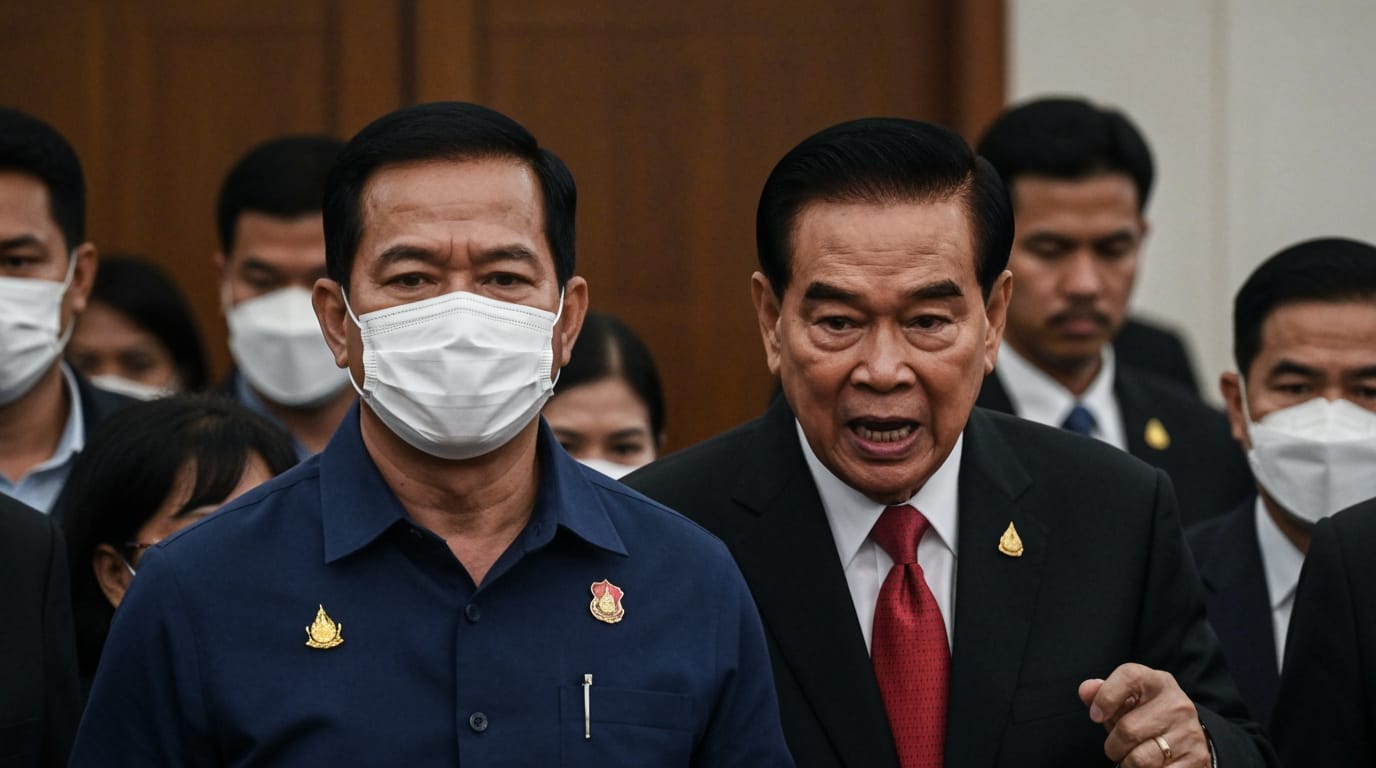
BANGKOK, Thailand – Former Thai Prime Minister Thaksin Shinawatra, a towering and often polarizing figure in the nation's political history, was released from Klong Prem Central Prison on Monday, May 11, 2026, marking a significant moment that could reverberate through the country's political landscape. The 76-year-old telecoms billionaire exited the medical wing of the prison under parole conditions, including electronic monitoring, after serving approximately eight months of a reduced one-year sentence for corruption and abuse of power. His release was met by family members and a crowd of loyal "red shirt" supporters, eager to witness the return of a leader who has captivated and divided Thailand for over two decades.
The Release: A Day of Anticipation and Speculation
The Department of Corrections confirmed Thaksin's early release, citing his advanced age and health concerns, alongside the fact that he had completed two-thirds of his commuted sentence, making him eligible for parole. He was among over 850 inmates granted early release under standard correctional regulations. Emerging shortly after 7:00 AM local time, Thaksin was seen with family, including his daughter and former Prime Minister Paetongtarn Shinawatra, before departing in a vehicle, waving to supporters but making no public statements to the media.
The terms of his parole mandate strict adherence to conditions until his one-year sentence officially concludes on September 9, 2026. These conditions include wearing an electronic monitoring (EM) ankle bracelet, monthly reporting to the Bangkok Probation Office, restrictions on leaving his assigned province without permission, and a ban on overseas travel. This final phase of his incarceration comes after a turbulent period following his dramatic return from exile.
A Tumultuous Return: From Exile to Hospital to Prison
Thaksin Shinawatra's return to Thailand on August 22, 2023, after 17 years in self-imposed exile, was a moment steeped in both personal and political drama. Having fled the country in 2008 to avoid a two-year jail sentence for corruption, he landed in Bangkok to face pending legal cases. Upon arrival, he was immediately taken into custody and subsequently sentenced to eight years in prison for corruption and abuse of power.
However, his time in a conventional prison cell was brief. Within hours of his detainment, Thaksin was transferred to the Police General Hospital, citing severe health concerns including high blood pressure, chest tightness, and heart and lung issues. This swift transfer, which saw him spend six months in a private room on the hospital's 14th floor, drew considerable public scrutiny and allegations of preferential treatment.
A royal pardon, granted on August 31, 2023, reduced his eight-year sentence to a single year. Despite the pardon, questions persisted regarding his hospital stay. In September 2024, the Supreme Court ruled that his six-month stay in the hospital did not count as time served because his condition was not deemed critical enough to warrant continuous hospitalization, effectively ordering him to serve his one-year term in an actual prison. This ruling led to his transfer to prison to begin his sentence in September 2024, from which he has now been paroled.
The Political Tapestry: Intertwined Destinies
Thaksin's return and subsequent early release are deeply entwined with the intricate political landscape of Thailand. His arrival in August 2023 remarkably coincided with the parliamentary vote that installed Srettha Thavisin, a candidate from the Pheu Thai party, as Prime Minister. This timing fueled widespread speculation of a "grand bargain" or a political deal between the Shinawatra faction and the nation's conservative, pro-military establishment, which had historically opposed him. While his allies denied such an arrangement, the perception of a coordinated effort to facilitate his return and reduce his sentence remains a significant talking point in Thai political discourse.
Thaksin's political movement, primarily through the Pheu Thai party and its predecessors, has consistently enjoyed strong support, particularly among rural and working-class voters. His populist policies, such as universal healthcare and rural development, endeared him to a large segment of the population. However, he has also been a highly divisive figure, accused of corruption and authoritarian tendencies by critics, leading to his ouster in a 2006 military coup.
Implications and Future Prospects
Thaksin's release inevitably raises questions about his future role in Thai politics. While parole conditions legally restrict his overt political activities and foreign travel for now, his influence, even from behind the scenes, is undeniable. Political analysts suggest his presence could reinvigorate the Pheu Thai party, which experienced a challenging election in February 2026, slipping to third place. Supporters gathered outside the prison expressed hopes for his continued involvement, believing his return will strengthen the party.
His family continues to play a prominent role, with his daughter Paetongtarn having served as Prime Minister. This dynastic element ensures the Shinawatra name remains central to Thai politics. The delicate balance of power within the current ruling coalition, which includes Pheu Thai alongside more conservative elements, suggests that Thaksin's re-entry into public life, however constrained, will be closely watched. His ability to navigate these complex relationships and potentially exert influence without overtly violating his parole terms will be a key determinant of his future impact.
In conclusion, Thaksin Shinawatra's early release from prison marks a pivotal moment in Thailand's ongoing political narrative. His freedom, under strict conditions, signals a new chapter for one of the country's most enduring political figures. While the direct implications of his return to public life remain to be fully seen, it is clear that his presence will continue to shape discussions and dynamics within Thailand's often turbulent political arena, adding another layer to the nation's complex journey towards stability and democratic governance.


