The Blazing Battle: Why Wildfire Suppression is Harder Than Ever, and How We're Fighting Back
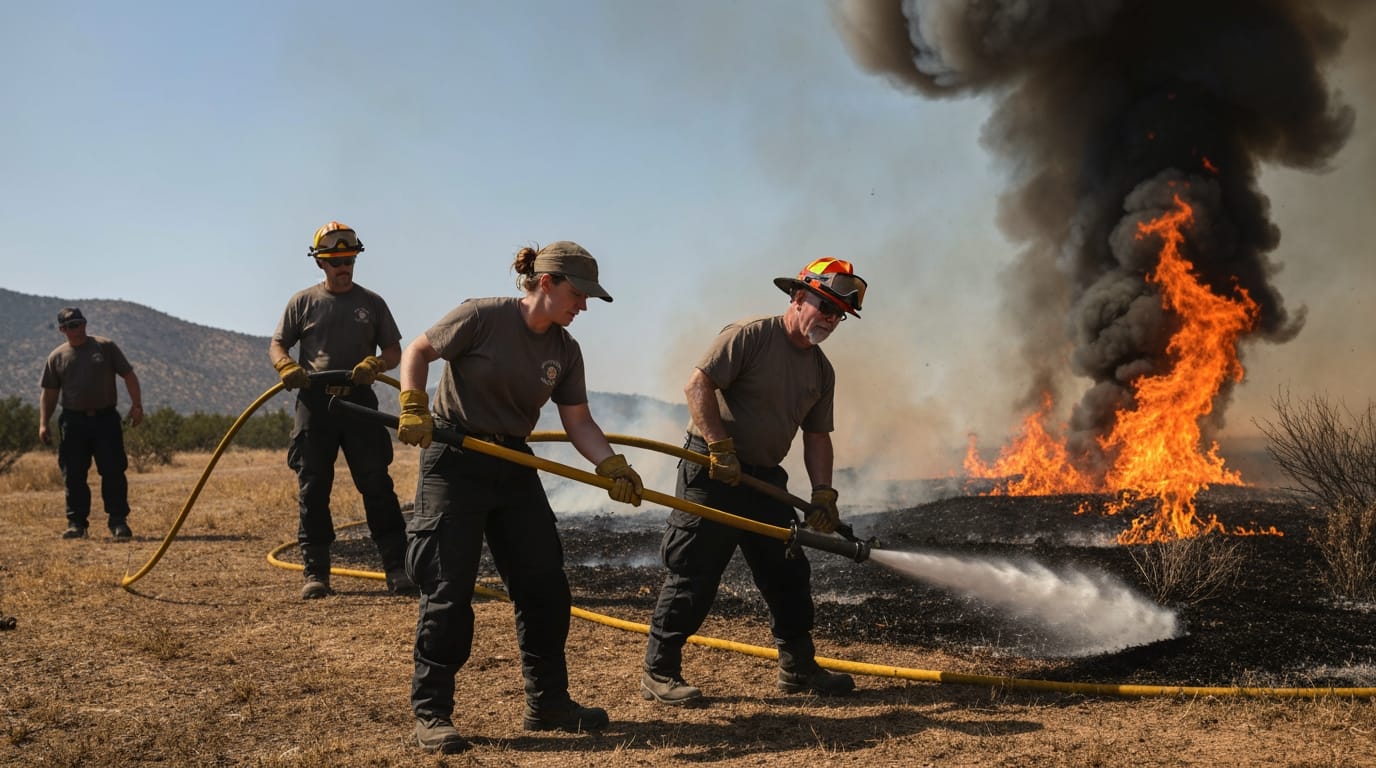
The fight against wildfires is intensifying, with blazes growing larger, more frequent, and more destructive across the globe. What was once a seasonal threat in specific regions has evolved into a year-round crisis, stretching resources and challenging conventional firefighting strategies. A confluence of environmental changes, historical land management practices, and encroaching human development has made containing these infernos exponentially more difficult, yet innovative solutions and a renewed focus on preparedness offer a glimmer of hope.
The Escalating Challenge: A Perfect Storm of Factors
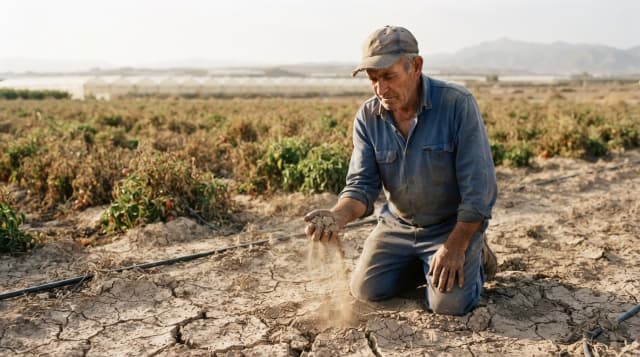
The primary driver behind the escalating wildfire crisis is climate change, which has wrought hotter, drier conditions across vast landscapes. Increased heat, prolonged droughts, and a "thirsty atmosphere" are extending fire seasons, creating ideal conditions for ignition and rapid spread. Research indicates that climate change has been a key factor in increasing wildfire risk, with a 2016 study finding that it doubled the number of large fires in the western United States between 1984 and 2015. Projections suggest that a 1°C temperature increase could boost the median burned area by as much as 600% in some forest types.
Compounding the climate crisis is a century of fire suppression policies that have inadvertently created a dangerous fuel load. By aggressively extinguishing every fire, natural ecological processes that would periodically clear underbrush and dead vegetation have been halted. This has led to an accumulation of dense, flammable materials that, when ignited, feed hotter, faster, and more destructive blazes.
Further complicating suppression efforts is the relentless expansion of the wildland-urban interface (WUI) – areas where human development meets undeveloped wildland. With close to one-third of the U.S. population now living in the WUI, fires in these areas pose greater threats to human life, property, and public health due to the increased proximity to homes and critical infrastructure. The complex terrain where many wildfires ignite, often remote and difficult to access, also delays response times and complicates the deployment of personnel and equipment. High winds, a common feature in many fire-prone regions, can carry embers for miles, igniting new fires far from the main blaze and making containment exceedingly challenging.
Technological Frontiers: Smarter Suppression and Detection
In response to the growing threat, a new era of technological innovation is transforming wildfire management, shifting the focus from reactive suppression to proactive detection and strategic response. Early detection systems are at the forefront, leveraging remote sensing, satellite imagery, and advanced AI-powered cameras to identify ignitions in their nascent stages. Some AI-camera networks have detected fires before emergency calls are even made, providing crucial minutes for rapid response. Thermal drones and IoT sensors, which track conditions like temperature, humidity, and smoke levels, further enhance real-time monitoring, particularly in low-visibility environments.
Aerial firefighting capabilities are also expanding. Fleets of airtankers and helicopters are crucial for dropping water and fire retardants, creating barriers to slow a fire's advance. New developments include AI-guided drones that can operate in conditions too dangerous for manned aircraft, extending aerial response capabilities. Digital twins and predictive analytics are improving fire modeling, allowing commanders to forecast fire behavior and allocate resources more effectively. Robotics are being explored for dangerous ground operations, while improved safety gear continues to protect the brave men and women on the front lines.
Proactive Management: Reclaiming the Landscape
Beyond immediate suppression, a critical component of the modern wildfire strategy involves proactive land management aimed at reducing fuel loads and building more resilient landscapes. Prescribed burns, intentionally set fires conducted under controlled conditions, are gaining traction as an effective tool. These burns safely reduce excessive brush, shrubs, and trees, decreasing the severity of subsequent wildfires by an average of 16% and net smoke pollution by 14%. Studies show that over 99% of prescribed burns are successful, remaining within their predetermined areas.
Other fuel management techniques include mechanical methods such as thinning tree canopies, removing dead wood, and utilizing mulching machines and masticators to decrease vegetation density. Creating and maintaining firebreaks—natural or man-made gaps in vegetation—also plays a vital role in disrupting a fire's progress.
For communities, adapting structures and properties to withstand fire is paramount. This involves creating "defensible space" around homes, typically extending 30 to 100 feet, by spacing plants, pruning low branches, and removing combustible materials. Building with fire-resistant materials, protecting roofs and vents from wind-blown embers, and sealing gaps in exterior walls are also crucial steps to enhance home resilience.
The Human Factor: Community Resilience and Shared Responsibility
Ultimately, mitigating the wildfire crisis requires a collective effort that extends beyond firefighters and land managers to every individual and community. Education and engagement are foundational, with programs like Firewise USA and Ready, Set, Go! empowering residents to understand wildfire risks, implement mitigation strategies, and prepare for emergencies.
Individual responsibility in preventing ignitions is also critical, given that up to 89% of wildfires are human-caused. Simple precautions such as properly extinguishing campfires, maintaining vehicles and equipment to prevent sparks, carefully managing debris burning, and responsibly disposing of smoking materials can significantly reduce the risk.
At a broader level, emergency planning—including clear evacuation routes and robust communication protocols—is essential for community safety. Post-fire recovery efforts also need to address lingering issues such as smoke impacts, which can pose significant public health risks.
Government agencies are responding with increased investment and strategic initiatives. Federal programs from the USDA Forest Service, Department of the Interior, and FEMA, alongside state initiatives like California's Wildfire Resilience Program, are funding risk reduction and supporting the development of resilient communities. The USDA Forest Service's Wildfire Crisis Strategy, for instance, aims to treat 50 million acres of high-risk land over ten years, highlighting a shift towards a more comprehensive, proactive approach.
A Path Forward: Adaptation and Collaboration
The escalating difficulty in fighting wildfires necessitates a multi-faceted approach. There is a growing consensus that the future of wildfire management lies in a collaborative model that integrates advanced technology, strategic land management, and robust community engagement. By embracing prescribed burns, fostering fire-adapted communities, investing in early detection systems, and promoting individual responsibility, society can begin to adapt to a future where living with fire is an unavoidable reality. The battle is far from over, but with shared commitment and innovation, the goal remains to protect lives, property, and the precious natural landscapes that define so many regions.