The Digital High: How TikTok's Viral Trends are Normalizing Teen Drug Use
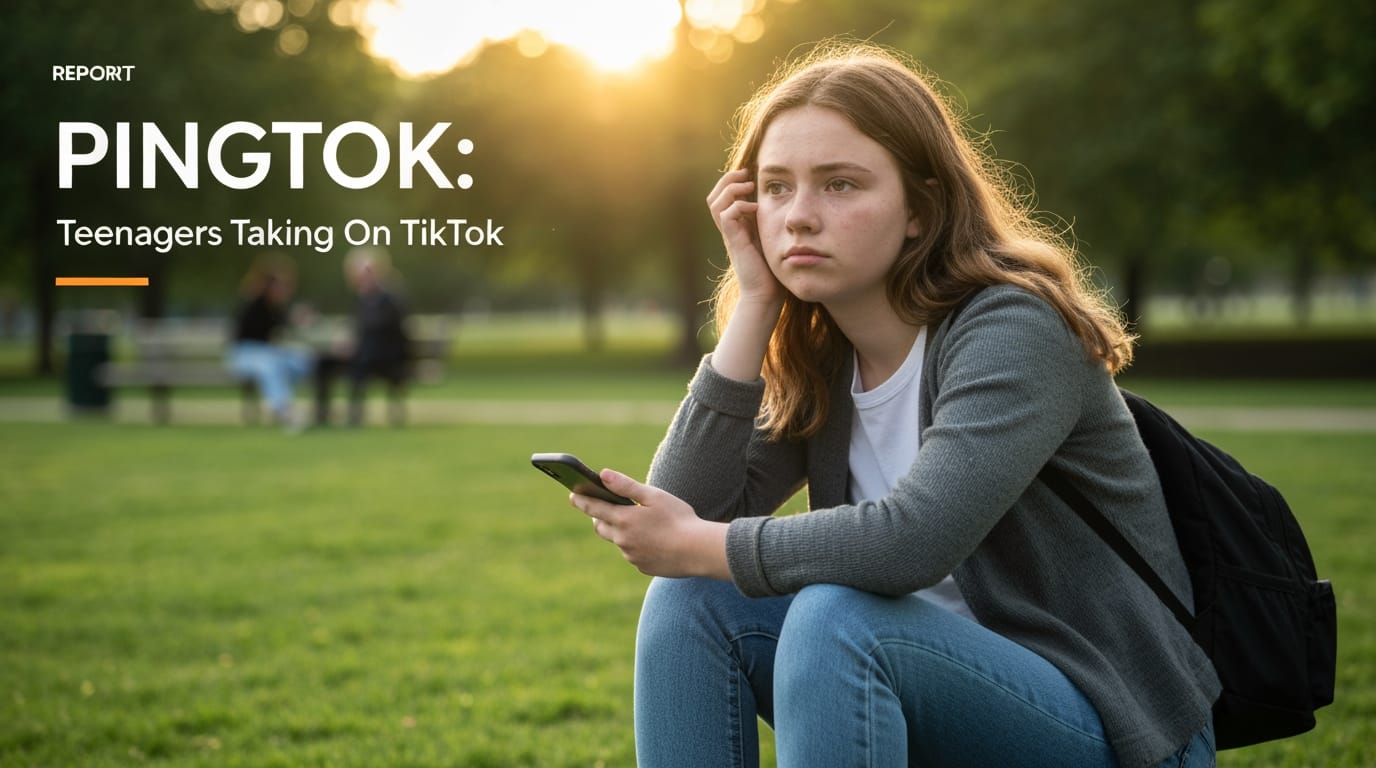
A concerning wave of drug-related content, epitomized by the trending hashtag #Pingtok, is permeating TikTok, exposing millions of impressionable teenagers to glamorized substance use and potentially leading to dangerous experimentation. This digital phenomenon, where youth openly showcase drug consumption, often involving illicit substances like MDMA and misused over-the-counter medications, has sparked alarm among parents, educators, and health experts who warn of profound and lasting consequences for adolescent development and well-being.
The Allure of #Pingtok and Viral Drug Culture
The term "Pingtok" stems from "ping," a slang term for MDMA, commonly known as ecstasy. Under hashtags like #Pingtok, #Pingtokk, or #Pintok, teenagers post videos documenting their experiences under the influence of MDMA, often highlighting effects such as dilated pupils, set to popular music to garner views and social media validation. These videos can accumulate millions of views, creating a dangerous illusion that drug use is acceptable or even desirable.
Beyond MDMA, other drug-related trends have flourished on the platform. #Triptok, for instance, features users recording their hallucinogenic drug experiences with substances like ketamine and ecstasy. Hashtags such as #snifftok and #ket, short for ketamine, further illustrate the breadth of drug content circulating within youth-centric online spaces. These trends contribute to a pervasive digital environment where drug use is normalized, presented without adequate context of its severe risks.
Dangerous Experiments: From Ecstasy to Over-the-Counter Drugs
The visible promotion of drug use on TikTok is far from harmless entertainment; it directly contributes to dangerous real-world behaviors. MDMA, often consumed in brightly colored pills with appealing logos, carries significant health risks, including overheating, severe dehydration, heart rhythm disturbances, and psychological issues like anxiety and depression. The unpredictable strength and unknown composition of illicit drugs further heighten the risk of overdose, especially for young people whose bodies and brains are still developing.
One particularly perilous trend that gained notoriety was the "Benadryl Challenge." This involved teenagers taking excessive amounts of diphenhydramine, an over-the-counter antihistamine, to induce hallucinations. Tragically, this challenge led to hospitalizations and at least one reported death of a 15-year-old girl in Oklahoma in 2020. Medical professionals emphasize that the dosage used to achieve hallucinations is dangerously close to a life-threatening amount, capable of causing seizures, cardiac arrest, and delirium. The accessibility of such medications in family homes further amplifies the danger, as teens may perceive them as less risky.
Research indicates that engaging in drug abuse during adolescence can hinder brain development and lead to long-term health problems. Videos that portray drug use as entertaining often fail to show these grim realities, potentially encouraging young viewers to underestimate the dangers.
The Algorithm's Grip: Social Media's Role in Youth Substance Use
Social media platforms, particularly TikTok, play a significant role in normalizing and glamorizing substance use for young audiences. A study found that social media can make substance use appear socially acceptable and even desirable, influencing adolescents to mimic these behaviors to gain social status or acceptance. TikTok's interactive features, such as trending challenges and viral hashtags, are identified as particularly effective in driving engagement with potentially harmful content.
The platform's powerful algorithms, designed to keep users scrolling, actively promote content based on individual interaction, potentially creating "echo chambers" that further normalize substance use among vulnerable teenagers. One study revealed that students frequently exposed to e-cigarette content on TikTok had a 74% higher likelihood of initiating cannabis use and a 78% increased chance of engaging in dual substance use within a year.
Moreover, there is a clear link between social media use and youth mental health, which can indirectly fuel substance abuse. Excessive social media engagement is associated with an increased risk of depression, anxiety, low self-esteem, and other mental health disorders. Adolescents who spend more than three hours a day on social media face double the risk of experiencing poor mental health outcomes. When struggling emotionally, some teens may turn to drugs or alcohol as a coping mechanism, a pathway exacerbated by content that normalizes such behaviors online.
The Moderation Maze and Regulatory Pushback
TikTok's official guidelines explicitly prohibit content depicting or promoting drug use. However, enforcing these policies proves challenging as users employ a form of "algospeak"—creative hashtags and variations of banned keywords—to bypass moderation filters. For instance, after #Pingtok was blocked, variants like #Pingtokk or #Pintok emerged. This constant adaptation makes it difficult for the platform's content moderation systems to effectively remove all problematic material.
The European Union has taken a strong stance, accusing TikTok of having an "addictive design" that may violate EU law. Preliminary findings from a two-year investigation highlight features like infinite scroll, autoplay, push notifications, and its highly personalized recommendation system as contributing to compulsive use and harming the mental and physical health of users, especially minors. The EU Commission stated that TikTok failed to adequately assess how these addictive features could harm its users and that current safety tools, such as screen-time limits, are easily bypassed. Internal TikTok documents reportedly reveal the company's awareness of its platform's addictive nature and its negative impacts on analytical skills, memory, sleep, and increased anxiety among users.
A Call for Collective Responsibility
The proliferation of drug-related content on platforms like TikTok represents a complex challenge demanding a multi-faceted approach. Parents are urged to engage in open conversations with their children about the dangers of these online trends and to monitor their social media use. Educators and public health specialists are critical in providing digital literacy and counteracting the normalization of substance use seen online.
While TikTok claims to provide tools for recovery support, the overwhelming presence of content that normalizes drug use underscores the urgent need for more robust content moderation and a fundamental rethinking of algorithmic design. The EU's regulatory actions signal a growing international demand for social media companies to prioritize user safety over engagement metrics. Addressing the digital high requires a concerted effort from platforms, parents, educators, and policymakers to create a safer online environment where the well-being of young people is paramount.


