The Enduring Allure of 'Bridgerton': Decoding a Global Phenomenon
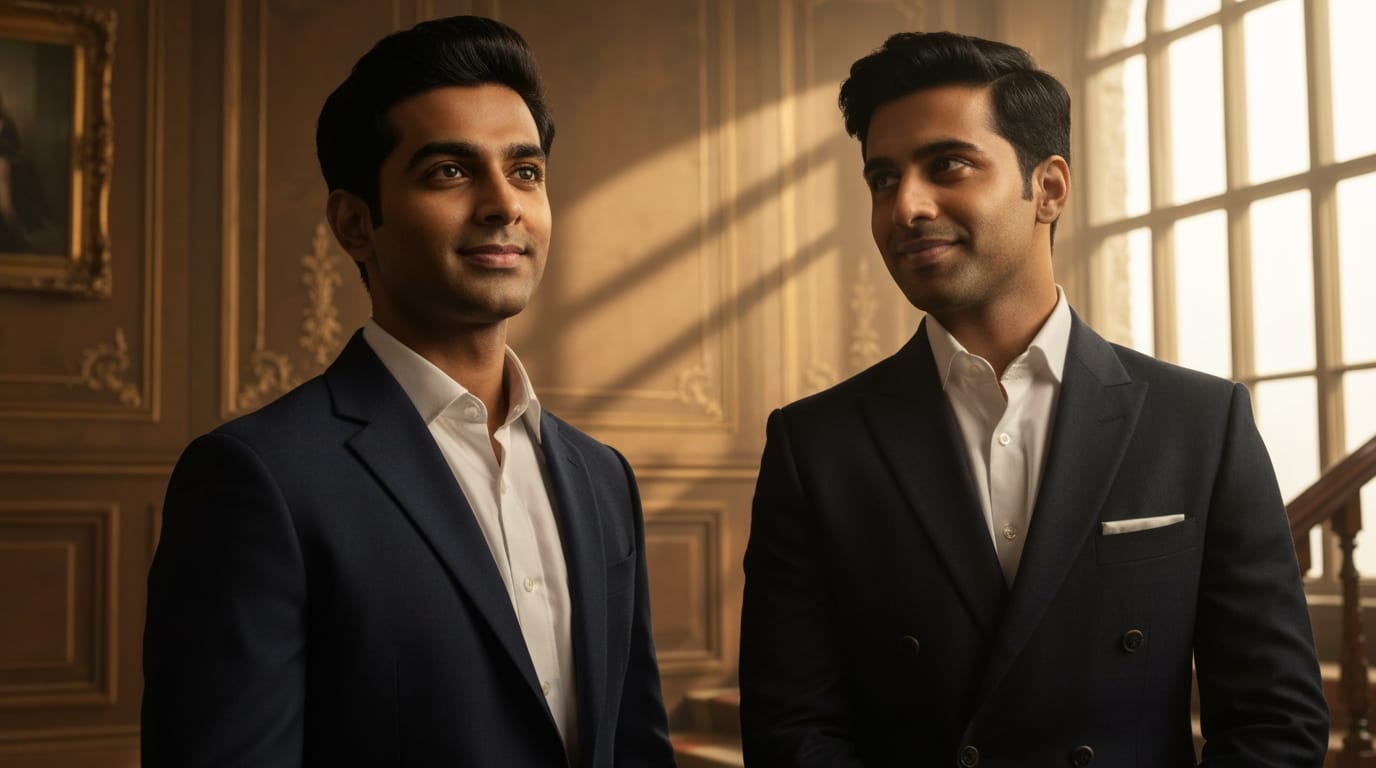
In an era often dominated by gritty dramas and complex narratives, Netflix's "Bridgerton" has captivated audiences worldwide, transforming the traditional period romance into a vibrant, modern phenomenon. The series, set in a reimagined Regency London, has become more than just a television show; it is a cultural touchstone, celebrated for its blend of opulent aesthetics, groundbreaking diversity, and a refreshingly contemporary sensibility that resonates deeply with its expansive viewership. From its vivid "Regencycore" aesthetic to its innovative soundtrack and inclusive casting, "Bridgerton" offers a potent cocktail of escapism and wish-fulfillment that has redefined expectations for historical dramas.
A Regency Era with a Modern Pulse
At its core, "Bridgerton" offers a delightful escape into a romanticized 19th-century England, infusing the beloved tropes of Jane Austen novels with a distinct 21st-century flair. While maintaining the charm of period dramas, the series boldly incorporates elements of heightened intimacy, more complex female relationships, and characters that feel relatable to a modern audience. This deliberate deviation from strict historical accuracy allows for a "light fun romp" that prioritizes emotional engagement and provides satisfying, often "cozy" romantic conclusions. The narrative's focus on the emotional journeys and aspirations of its characters, particularly the women navigating societal expectations, strikes a chord with viewers seeking both historical fantasy and contemporary relevance. The intrigue of Lady Whistledown's anonymous gossip column, for instance, mirrors the real "scandal sheets" of the Regency era, adding a layer of historical authenticity to its dramatic storytelling.
The Visual Symphony of 'Regencycore'
A significant pillar of "Bridgerton's" widespread appeal lies in its stunning visual presentation. The show has become synonymous with a lavish, pastel-hued aesthetic known as "Regencycore," which has permeated beyond the screen into fashion and interior design. Characterized by vibrant color palettes, exquisite costumes featuring empire waistlines and puff sleeves, and opulent, maximalist sets, the series offers a feast for the eyes. This heightened, modern take on Regency design, described as a fusion of historical elegance and contemporary drama, marked a departure from the more muted tones typically associated with period pieces. The series has directly influenced consumer trends, leading to a surge in searches for items like gilded mirrors, damask wallpaper, and Regency-inspired fashion accessories, as retailers and designers capitalize on the show's aesthetic influence. Each season is meticulously crafted to transport viewers to a world of beauty and luxury, becoming a major draw for fans who eagerly anticipate the visual spectacle.
Redefining Historical Narratives Through Diverse Casting
Perhaps the most impactful aspect of "Bridgerton's" success is its pioneering approach to diverse casting. Hailed as a "game-changer" for the period drama genre, the series employs "color-inclusive casting" that ensures representation both in front of and behind the camera. Netflix's deliberate use of an "inclusion lens" in its casting decisions allows for a reimagined Regency London where people of different races mingle seamlessly within high society. This intentional casting strategy enables a broader audience to see themselves reflected in compelling, aristocratic roles, a refreshing change for many viewers of color who have historically been relegated to marginalized portrayals in such settings. While acknowledging that such extensive racial diversity among the elite was not historically accurate for the Regency era, 83% of "Bridgerton" viewers feel that this diverse casting significantly enhances the show. The series demonstrates that powerful, engaging storytelling can thrive without strictly adhering to traditional historical casting conventions, thereby challenging and expanding the boundaries of the period drama genre.
A Soundtrack that Transcends Time
Adding another layer to its modern sensibility is "Bridgerton's" distinctive soundtrack. The series famously transforms contemporary pop songs into classical string arrangements, creating a unique auditory experience that bridges centuries. These orchestral renditions of hits by artists such as Ariana Grande, Maroon 5, Shawn Mendes, Billie Eilish, Taylor Swift, and Robyn, often performed by the Vitamin String Quartet, allow viewers to connect with the historical setting through familiar melodies. This recontextualization of popular music translates complex emotions and heightens dramatic moments, making the historical narratives feel more accessible and emotionally resonant. The integration of these modern musical pieces is a deliberate choice by the showrunners to differentiate "Bridgerton" from other period productions, infusing it with a unique modern lens that makes it relatable to contemporary audiences.
Escapism and Emotional Resonance
Launched during a period of global uncertainty, "Bridgerton" provided a much-needed source of escapism for many viewers. The show's ability to create a utopian world "as we wish it was" – where love triumphs over societal constraints and differences are embraced – offered a comforting retreat from reality. Beyond the visual and auditory spectacle, the series delves into universal themes of love, family, and self-discovery, presented through narratives that are both emotionally rich and engaging. The show's commitment to portraying women having enjoyable romantic and intimate experiences, without harsh judgment for their desires, also contributes to its modern and appealing narrative. This combination of aspirational fantasy and relatable emotional journeys has forged a deep connection with its audience, ensuring its continued popularity.
The phenomenon of "Bridgerton" underscores a significant evolution in television storytelling. By boldly reinterpreting historical settings with modern values, diverse representation, and innovative production choices, the series has not only captured a massive global audience but has also left an indelible mark on popular culture. Its "Bridgerton effect" extends across fashion, music, and the broader entertainment landscape, influencing how historical dramas are conceived and consumed. As the series continues to unfold, its legacy will likely be defined by its vibrant reimagining of the past and its powerful affirmation that compelling stories, told with an inclusive and imaginative vision, possess an enduring and universal appeal.