The Enduring Athlete: How Science, Psychology, and Dedication Are Redefining Sports Longevity
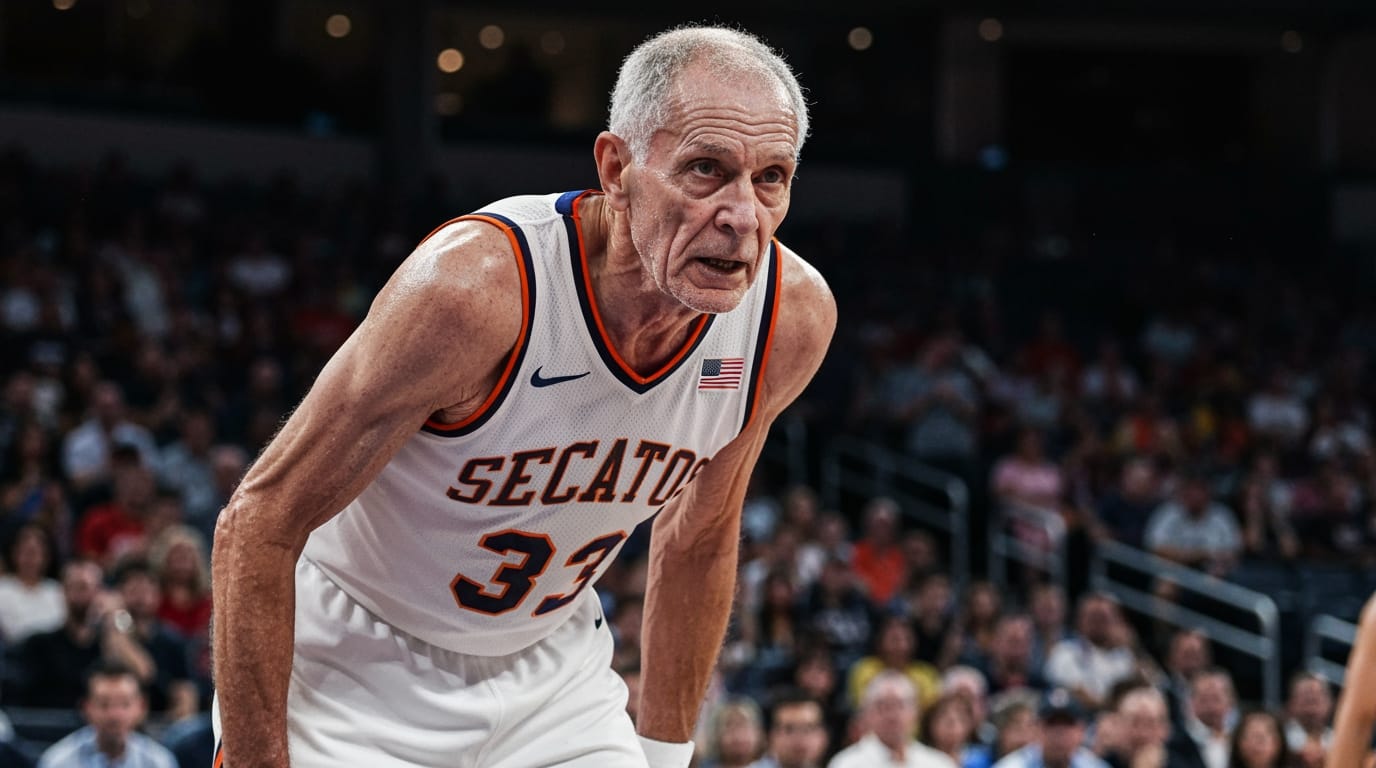
For decades, the notion of an athlete's prime was a fleeting concept, typically confined to a narrow window of youth and early adulthood. Today, however, a remarkable shift is underway across professional sports, with stars like tennis icon Venus Williams defying conventional timelines and competing at elite levels well into their late 30s and even 40s. This emerging era of athletic longevity is not merely a testament to individual will, but the confluence of groundbreaking advancements in sports science, personalized nutrition, psychological conditioning, and evolving athletic support systems.
The phenomenon, exemplified by athletes like Williams who continues to play competitive tennis at 45, challenges previous assumptions about the human body's limits and the natural arc of a sports career. Once an anomaly, the "aging" athlete maintaining peak performance is becoming an increasingly common and celebrated sight, reshaping how teams, coaches, and fans perceive age in high-stakes competition.
The Scientific Edge: Redefining Physical Boundaries
A cornerstone of this extended athletic lifespan is the revolution in sports science and medical care. Modern training regimens are far more sophisticated, moving beyond general conditioning to highly individualized programs tailored to an athlete's unique physiology and specific sport demands. Advances in physical development and conditioning mean athletes are faster, stronger, and more robust than ever before.
Injury prevention and accelerated recovery are paramount. Techniques such as cryotherapy, which reduces inflammation and speeds muscle recovery, and compression clothing, which stimulates blood flow and mitigates fatigue, are now commonplace. Wearable technology, including GPS trackers and heart rate monitors, provides real-time data on performance and physical strain, allowing trainers to finely tune training loads and identify fatigue before it leads to injury. Targeted therapy for specific muscle groups further optimizes the healing process, ensuring athletes can return to play quicker and in better condition. Beyond preventative measures, surgical techniques have also seen significant advancements, enabling athletes to recover from once career-ending injuries and return to competition. This holistic approach to player care helps athletes sustain peak performance for longer periods by minimizing the risk of injury and optimizing physical readiness.
Precision Fueling: The Role of Advanced Nutrition
Proper nutrition has always been fundamental to athletic performance, but the current era emphasizes a highly scientific and personalized approach to fueling the body. Athletes now benefit from tailored dietary plans that consider their individual metabolic needs, the energy demands of their sport, and even specific phases of training or competition.
Hydration monitoring devices ensure athletes maintain optimal fluid balance, crucial for extended workouts and intense competition. Expert sports nutritionists guide athletes on the precise balance of macronutrients—carbohydrates for energy, proteins for muscle repair, and healthy fats for sustained power—and essential micronutrients like vitamins and minerals. This strategic nutritional planning is not a one-size-fits-all model; it adapts to an athlete's changing requirements throughout a season, focusing on promoting recovery, aiding adaptation to training, and minimizing illness and injury. For instance, adequate carbohydrate intake is vital for maintaining energy levels during high-intensity activities, while sufficient protein helps in muscle repair and growth after rigorous training. The impact of nutrition extends beyond physical capabilities, influencing an athlete's mental clarity and overall well-being, both critical for sustained high-level play.
The Mental Game: Fortitude and Strategic Adaptation
Physical and nutritional advantages are only part of the equation; mental fortitude and psychological resilience play an equally critical role in extending sports careers. The psychological demands of elite sport are immense, with constant pressure from expectations, the need to manage stress, and the capacity to rebound from setbacks.
Athletes who thrive into their later years often possess highly developed coping mechanisms and a strong growth mindset, viewing challenges as opportunities for learning and improvement. Sports psychologists are increasingly integrated into athletic teams, working with athletes on techniques such as positive self-talk, visualization, and breathing exercises to enhance focus, manage anxiety, and boost confidence. Venus Williams, for example, has spoken about embracing discomfort and maintaining her love for the game as key motivators for her continued presence on tour. The ability to adapt one's game to changing physical realities is also crucial. Older athletes may lose a step in speed or explosive power but compensate with heightened strategic intelligence, experience, and precision. This mental adaptation allows them to compete effectively against younger, physically dominant opponents.
Evolving Landscapes: Professionalism and Economic Factors
Beyond individual preparation, the professional landscape of sports has also evolved to support extended careers. The financial rewards in many sports have escalated, providing significant incentives for athletes to prolong their playing days. Continued endorsement deals, prize money, and contract earnings mean that maintaining a presence at the top of a sport can be highly lucrative.
Furthermore, the culture around aging in sports is changing. There's greater recognition that experience and leadership can be invaluable assets, even if raw athleticism slightly diminishes. Teams are more willing to invest in veteran players, recognizing their ability to contribute on and off the field. The development of advanced data analytics and even future applications of AI and gene analysis are providing new insights into predicting and optimizing athlete longevity, potentially further extending careers.
In conclusion, the extended careers of athletes like Venus Williams are not coincidental. They are the product of a sophisticated, multi-faceted approach that integrates cutting-edge sports science, precise nutritional strategies, robust psychological support, and a professional environment increasingly valuing longevity. This convergence has not only allowed individuals to pursue their passions longer but has also elevated the standard of athletic performance, proving that dedication, combined with scientific innovation, can truly redefine the boundaries of human achievement.