The Enduring Echo of "America First": Reshaping Global Diplomacy
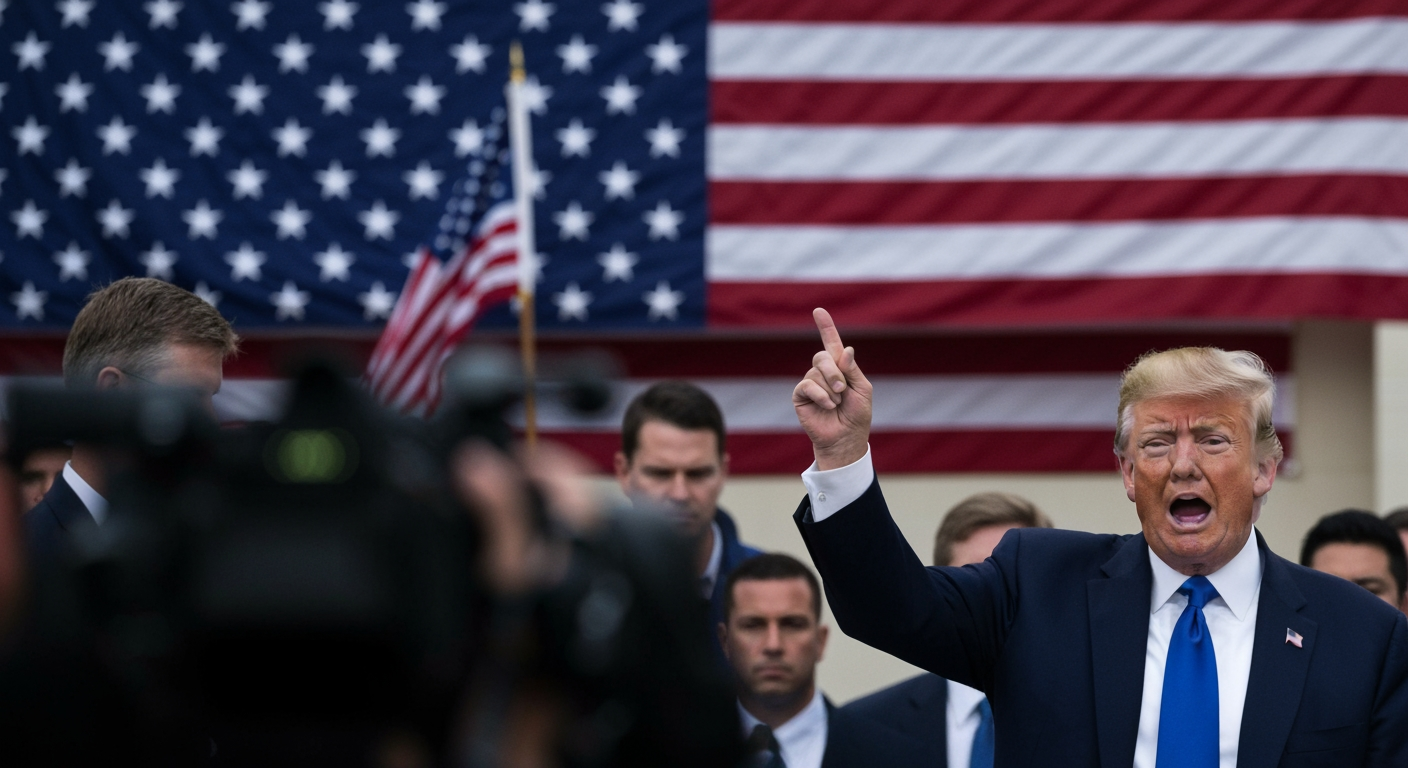
Donald Trump's "America First" doctrine has profoundly reshaped the landscape of global politics, transitioning the United States' international engagement from a post-World War II multilateralist approach to one rooted in national sovereignty, transactional alliances, and economic nationalism. This shift, driven by the core tenets of the Make America Great Again (MAGA) philosophy, has challenged established norms, redefined international agreements, and introduced a new era of unpredictability in diplomatic relations worldwide. His policies, both during his presidency and as a continued influence, advocate prioritizing domestic interests above global cooperation, resulting in significant repercussions for trade, security, and environmental policies across the globe.
A New Chapter for Multilateralism: Withdrawals and Skepticism
Central to the "America First" foreign policy has been a pronounced skepticism towards multilateral agreements and international institutions, viewing many as impediments to American sovereignty and economic prosperity. During his initial term, the Trump administration initiated withdrawals from several landmark accords, signaling a departure from decades of U.S. leadership in global governance. These actions included the United States' exit from the Trans-Pacific Partnership (TPP) trade agreement and the Paris Agreement on climate change, fulfilling key campaign promises aimed at reversing what he perceived as unfavorable international commitments. The administration also withdrew from the Iran nuclear deal (Joint Comprehensive Plan of Action or JCPOA), imposing stringent sanctions on Tehran. Further disengagement from international bodies included leaving the UN Human Rights Council and UNESCO, and a formal notification of withdrawal from the World Health Organization (WHO), though the latter was later rejoined by a subsequent administration.
These withdrawals were justified by the argument that such agreements imposed "draconian financial and economic burdens" on the U.S. or failed to adequately serve American interests, often accusing other nations, particularly China and India, of not contributing their fair share. This stance underscored a belief that international frameworks often bound the U.S. while failing to hold other nations to similar standards. The implications of these actions have been far-reaching, leading to increased global uncertainty and prompting concerns about the weakening of multilateralism as a cornerstone of international stability. The rhetoric surrounding these decisions often emphasized a zero-sum view of international relations, where American gains necessitate concessions from other global actors.
The Economic Front: Tariffs, Trade Wars, and Protectionism
The "America First" agenda manifested prominently in trade policy, characterized by a protectionist approach aimed at safeguarding American industries and jobs. The Trump administration implemented a series of tariffs on imported goods, particularly from China, igniting a trade war that impacted global supply chains and economic growth. These tariffs, which included duties on steel, aluminum, and a wide array of Chinese products, were intended to address perceived unfair trade practices, intellectual property theft, and substantial trade deficits. While some politicians praised the administration for championing American manufacturers, critics, including some within his own party, warned of negative consequences for global trade and increased costs for American consumers.
Beyond China, trade policies included the renegotiation of the North American Free Trade Agreement (NAFTA), resulting in the United States-Mexico-Canada Agreement (USMCA). This revised pact aimed to update terms for digital technology and online sales while creating new incentives for automobile production within the United States. The economic impact of these protectionist measures has been a subject of ongoing debate. While some models projected significant reductions in U.S. and global GDP and increased inflation, others noted that the effects were mitigated by various exemptions and adjustments. The overarching goal, however, remained consistent: to reshape global trade dynamics to explicitly favor American economic interests and self-reliance.
Redefining Alliances: A Transactional Approach to Security
The "America First" doctrine also brought a fundamental shift in the U.S. approach to its long-standing military alliances, particularly the North Atlantic Treaty Organization (NATO). The administration frequently criticized NATO allies for insufficient defense spending, asserting that the United States bore an undue financial burden in collective security. This transactional perspective implied that U.S. commitment to collective defense, enshrined in NATO's Article 5, was contingent upon allies meeting certain financial contributions, primarily spending at least 2% of their GDP on defense. Some statements even suggested that the U.S. might not defend allies deemed "delinquent" in their payments, fostering unease among member states.
This emphasis on burden-sharing and financial accountability contrasted sharply with traditional notions of alliance solidarity based on shared values and mutual defense. While some saw this as a necessary push to encourage allies to contribute more to their own security, others viewed it as undermining the very foundation of alliances built over decades. Beyond NATO, the "America First" approach encouraged countries like Japan and South Korea to take greater responsibility for their own defense, even raising the controversial idea of them developing nuclear weapons. This recalibration of alliances signified a move away from an expansive global security guarantor role to one more narrowly focused on direct American benefit and financial reciprocity.
Geopolitical Realignments and Bilateral Engagements
The pursuit of MAGA ideals also manifested in specific geopolitical realignments and a preference for bilateral negotiations over broader diplomatic frameworks. The Trump administration engaged in direct diplomacy with North Korean leader Kim Jong Un in an effort to denuclearize the Korean Peninsula, a departure from previous strategies. In the Middle East, a significant foreign policy achievement was the brokering of the Abraham Accords in 2020, which normalized diplomatic relations between Israel and several Arab nations, including the United Arab Emirates and Bahrain. This initiative aimed to bypass traditional peace processes and foster new regional alliances.
Concurrently, the approach to rivals like China intensified, marked by economic pressure, increased tariffs, and a broader strategic competition that extended to technology and military posture. The rhetoric also indicated a potential reorientation of U.S. global military presence towards the Western Hemisphere, prioritizing homeland security and combating issues like migration and drug trafficking. This strategy signaled a potential reduction in engagements in other regions, with critics suggesting it could create vacuums that other powers, like China, might seek to fill. The overall posture emphasized a pragmatic, transactional foreign policy that sought to advance American interests through direct dealings and unilateral actions, often disregarding established diplomatic protocols.
Conclusion: An Enduring Legacy of Unpredictability
Donald Trump's integration of "America First" and MAGA ideals into global politics has left an indelible mark on international relations. By prioritizing national sovereignty, economic protectionism, and a transactional approach to alliances, his administration challenged the post-World War II global order built on multilateral cooperation and collective security. The withdrawals from international agreements, the implementation of tariffs, and the demands for greater burden-sharing from allies demonstrated a clear intent to redefine America's role on the world stage.
This shift has introduced a degree of unpredictability and volatility, prompting other nations to reassess their own foreign policy strategies and potentially seek new alignments. While some elements of this approach, such as the Abraham Accords, yielded notable diplomatic achievements, the broader impact has been a heightened sense of global instability and a fracturing of traditional partnerships. The enduring legacy of "America First" suggests a continued emphasis on national interest, potentially fostering a more multipolar world where nations increasingly navigate international relations through a lens of self-interest rather than collective responsibility. The implications for global governance, economic interdependence, and future security architectures remain a subject of intense analysis and ongoing adaptation by nations worldwide.
Related Articles


Mounting Frustration Grips Russia as Economic Hardship and War's Toll Deepen
Moscow, Russia – A palpable shift in public sentiment is emerging across Russia, with growing frustration among citizens fueled by a confluence of economic pressures, increasing internet restrictions, and the undeniable...

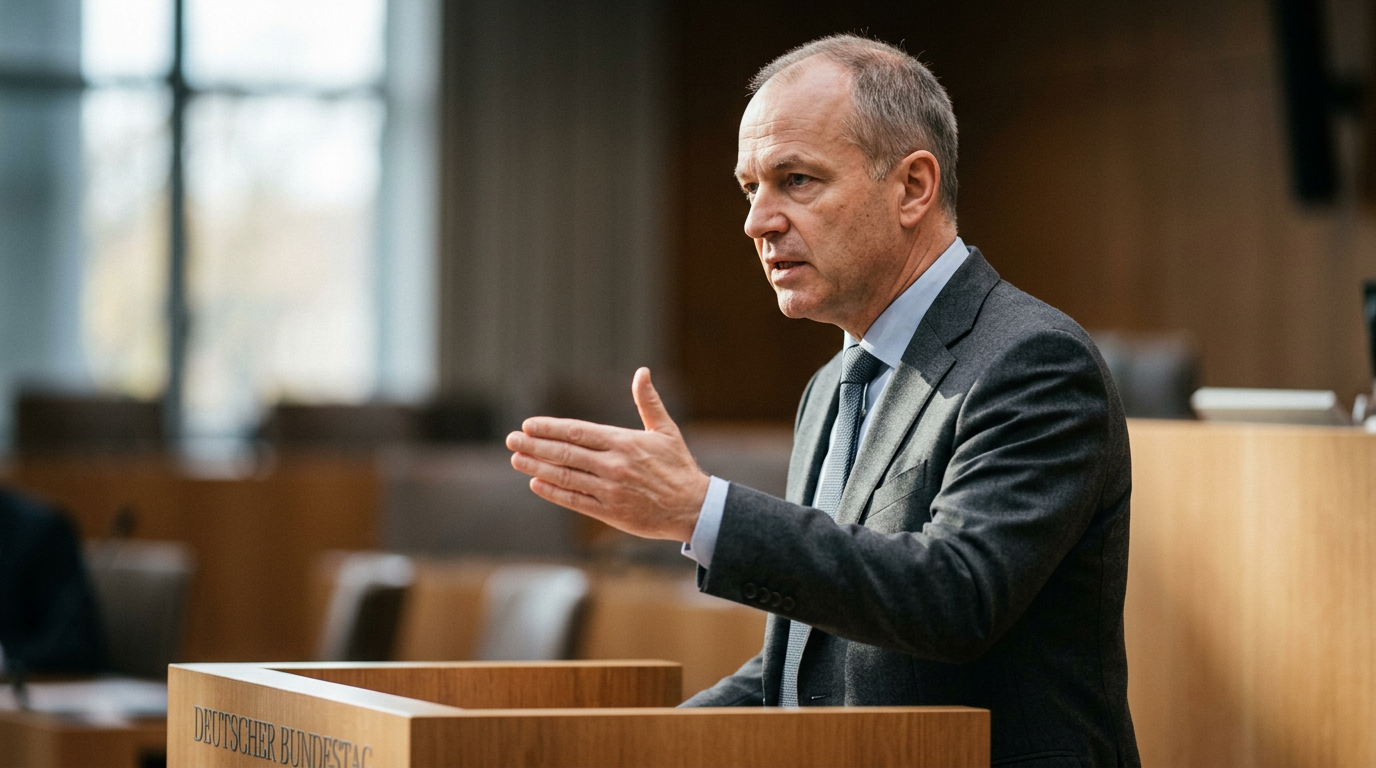
Germany's Strategic Calculus: Ukraine Aid is an Investment in European Security, Not Charity
Berlin – The ongoing provision of substantial aid to Ukraine by Germany and its allies is increasingly being framed not as an act of altruism, but as a crucial investment in European security and stability. This...