The Eternal Mirror: How Vampires Reflect Humanity's Deepest Fears and Desires
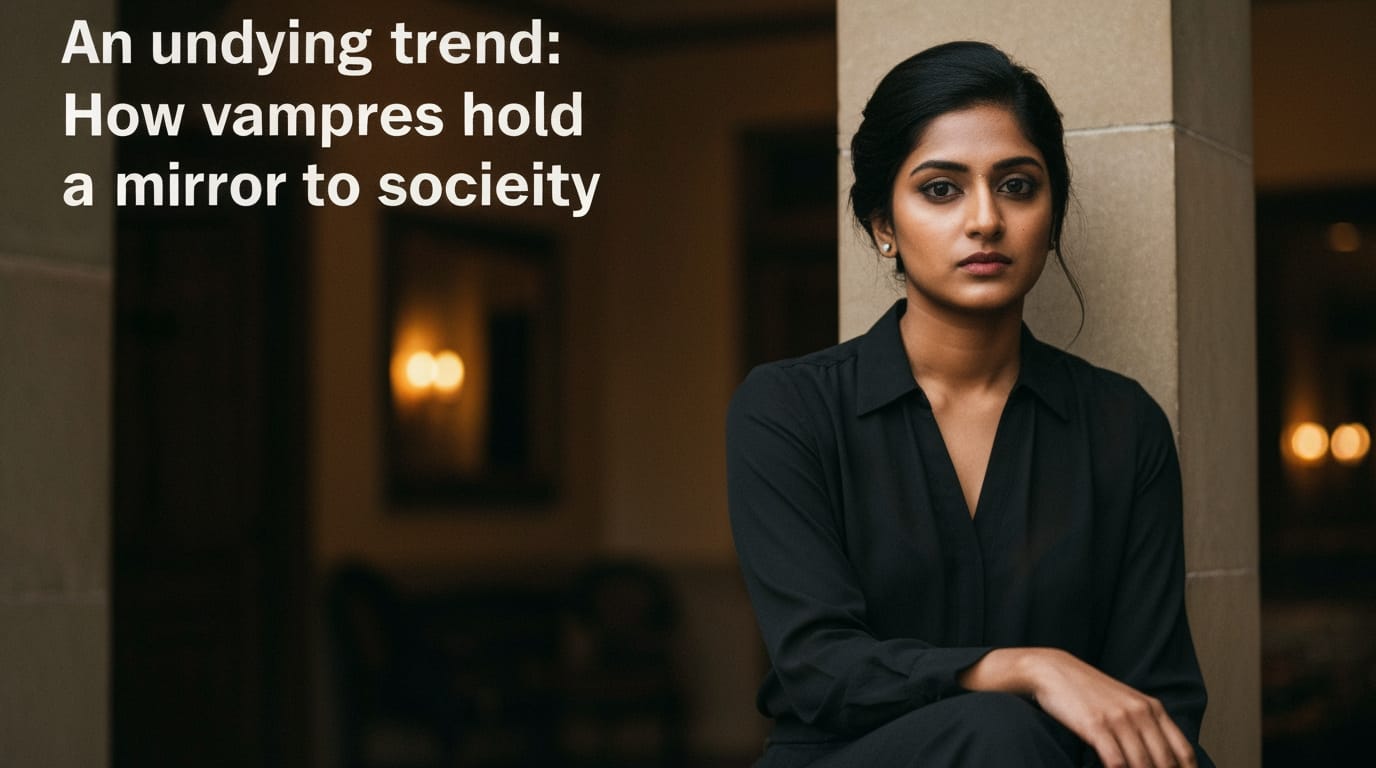
The vampire, that enigmatic creature of the night, has haunted human imagination for centuries, evolving from a grotesque revenant to a brooding romantic figure and beyond. Far from being a mere fictional construct, the enduring presence of the vampire across cultures and epochs serves as a profound societal mirror, reflecting humanity's deepest anxieties, forbidden desires, and shifting perceptions of itself. From ancient superstitions born of disease and the unknown to contemporary explorations of identity and power, the vampire myth continuously adapts, offering a unique lens through which to understand the human condition.
From Grotesque Revenants to Explanations of the Unknown
The origins of vampiric folklore are deeply rooted in ancient fears and the lack of scientific understanding regarding death and disease. Tales of blood-drinking entities can be traced back to various ancient cultures, including Mesopotamian, Hebrew, Greek, and Indian traditions. However, the more direct precursors to the modern vampire emerged in European folklore, particularly in Eastern Europe during the medieval period. These early vampires were often depicted not as the suave, pale figures we know today, but as bloated corpses with ruddy or dark complexions, believed to rise from their graves to cause mischief or death in their former communities.
Such folklore often provided explanations for phenomena that were otherwise inexplicable. Unexplained deaths, the spread of contagious diseases like plague or rabies, and even the natural processes of bodily decomposition were frequently attributed to vampirism. The lack of oxygen in buried bodies, for instance, could lead to a bluish skin tone, while rigor mortis and post-mortem purging of blood were misinterpreted as signs of recent feeding. These early myths also embodied a fear of "otherness" and outsiders, serving as a tactic to deter people from entering realms considered taboo or dangerous. With the rise of Christianity, the vampire was reinterpreted, often becoming associated with minions of Satan, and the cross gained its iconic power to ward them off.
The Aristocratic Allure: Victorian Anxieties Embodied
A significant transformation of the vampire occurred in 18th-century Europe, as reports of vampire hysteria spread, and the term "vampire" entered the English language around 1732. This period saw the literary emergence of the aristocratic, sophisticated bloodsucker, a stark departure from the monstrous folk figures. John Polidori's 1819 novella, The Vampyre, is widely credited with introducing Lord Ruthven, a charismatic and seductive figure, establishing the prototype for the refined literary vampire. This marked a pivotal shift, moving vampires from mere monsters to alluring occults.
Bram Stoker's Dracula, published in 1897, solidified this new image and became a cornerstone of modern vampiric lore. Stoker's novel brilliantly captured and amplified the anxieties prevalent in late Victorian society. Dracula himself embodied fears of foreign invasion and the decay of traditional values. The narrative also reflected societal concerns about changing gender roles, with characters like Mina Harker challenging passive feminine ideals, and a palpable fear of burgeoning female sexuality. The novel touched on anxieties surrounding new technologies like blood transfusions and typewriters, alongside the broader societal transformations brought by the Industrial Revolution. Unlike later adaptations, Stoker's Dracula was intended primarily to instill terror, a pure monster reflecting an era grappling with rapid change and the unknown.
The Humanization and Romanticization of the Undead
As the 20th century progressed, the vampire underwent further evolution, shedding its purely monstrous skin to reveal more human-like characteristics. The post-World War II era saw Dracula, for instance, initially portrayed as even more monstrous in the 1950s and 60s, possibly reflecting Cold War fears. However, by the late 1970s, interpretations began to humanize the Count, portraying him as a vulnerable, even romantic, figure capable of love, as exemplified by Frank Langella's portrayal.
This trend accelerated, leading to modern portrayals that emphasize charisma, allure, and moral ambiguity. Authors like Anne Rice, with her Vampire Chronicles, and later series such as Twilight and The Vampire Diaries, centered narratives on romance and the relatability of immortal beings grappling with their existence. Vampires became metaphors for human beings, rebelling against societal, moral, religious, and even sexual taboos. They began to embody contemporary anxieties, exploring themes of alienation, identity, social belonging, power dynamics, and forbidden desires, sometimes even touching on issues like drug abuse or sexual promiscuity. The physical appearance of vampires also transformed, moving from the dark and non-human to a more modern and humanistic aesthetic.
The Vampire as a Reflection of Self
The profound connection between vampires and society extends to the very essence of self-perception. A long-standing trope posits that vampires do not cast reflections in mirrors. Some interpretations suggest this is because "they are the reflection" – a mirror held up to ourselves, revealing what we fear, the specter of unchecked power without accountability, or the hidden villain within. This symbolic absence of a reflection underscores their role as embodying societal outsiders and challenging conventional norms.
The vampire narrative has also become a vehicle for exploring complex social issues, such as gender. Feminist interpretations have reclaimed vampire traditions as expressions of female power and autonomy, with figures like Lilith, a primordial vampire in mythology, representing rebellion against patriarchal authority. The undying appeal of the vampire lies in its inherent adaptability, inviting continuous introspection about what it means to consume, to endure, and to confront the darkness that accompanies the human experience.
In essence, the vampire myth persists not by remaining static, but by constantly adapting to embody the evolving fears, desires, and self-perceptions of each generation. From ancient dread of pestilence and death to Victorian anxieties about sexuality and modernity, and onward to contemporary explorations of identity and forbidden romance, vampires continue to serve as an indispensable, albeit supernatural, mirror to the human condition. They are a testament to our enduring fascination with immortality, power, and the complex interplay between monstrosity and humanity.