The Ethical Tightrope: Western Influencers and the Controversial Promotion of Tourism in Taliban-Ruled Afghanistan
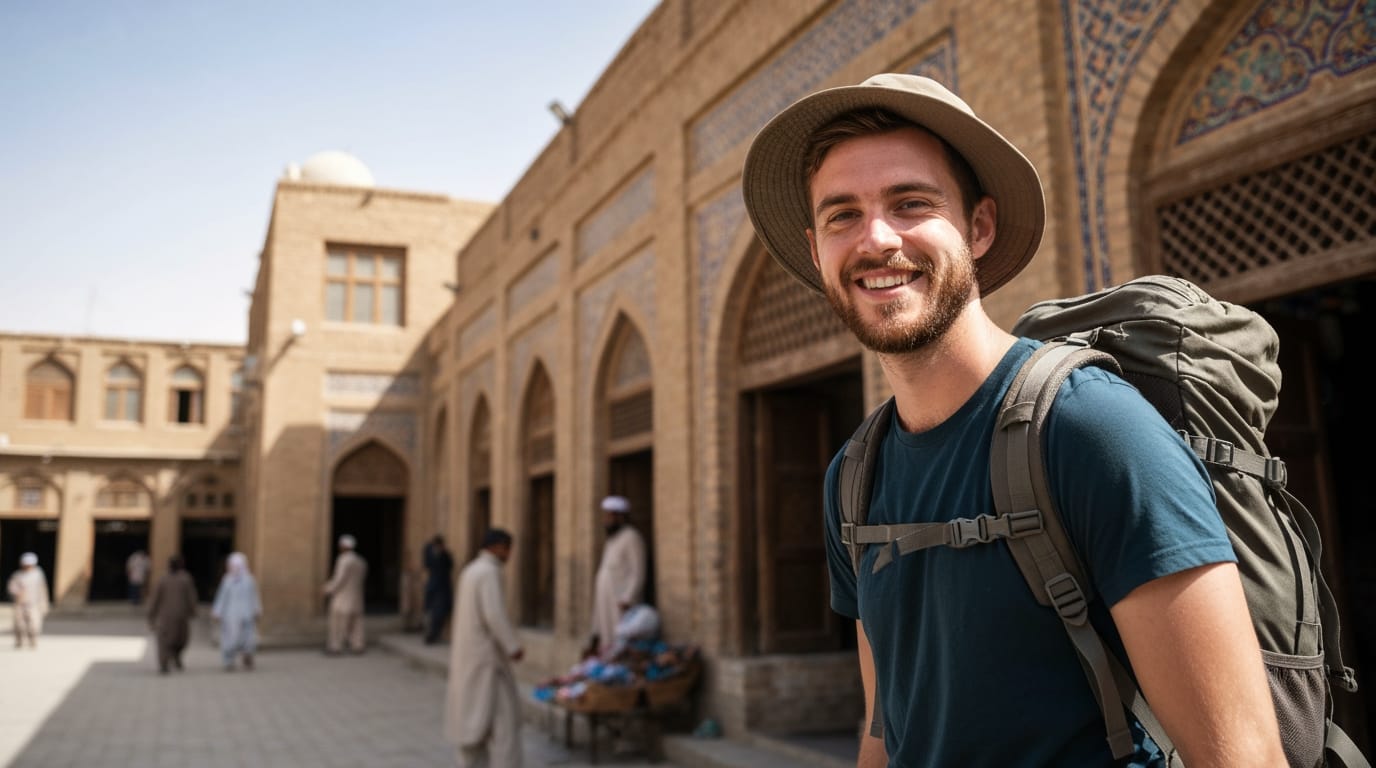
KABUL, Afghanistan – In a surprising and increasingly contentious trend, a growing number of Western travel influencers are spotlighting Afghanistan as an exotic, must-see destination, fueling a surge in foreign tourism since the Taliban's return to power in 2021. This phenomenon has ignited a fierce global debate about the ethics, safety, and potential implications of promoting travel to a nation grappling with severe human rights crises and political instability. Critics contend that such content risks whitewashing the Taliban's repressive regime and misleading audiences about the realities of life in Afghanistan, particularly for its women.
The Allure of the Uncharted and the Rise of 'Adventure Tourism'
Despite explicit "do not travel" advisories from numerous governments, including the UK and the US, Afghanistan has witnessed a notable uptick in foreign visitors. From just 691 foreign tourists in 2021, the numbers swelled to 2,300 in 2022 and exceeded 7,000 in 2023, with nearly 3,000 recorded in the first three months of the current year. This surge is largely attributed to social media influencers who, through platforms like YouTube and TikTok, present Afghanistan as a land of rugged natural beauty, rich history, and hospitable locals, often challenging conventional media narratives. Many influencers describe themselves as curious adventurers seeking unique experiences, aiming to showcase a "real Afghanistan" beyond headlines. Some, like German influencer Margaritta, who solo-traveled for three months, have expressed feeling "treated like a queen" and safe during their visits.
The content often features picturesque landscapes, ancient sites like Bamiyan, bustling marketplaces, and interactions with locals, often framed as dispelling misconceptions about the country. Influencers like @iampocoloco and @thebeardedbackpacker have garnered significant followings by sharing their experiences, sometimes even posing with Taliban members. This "danger tourism" or "dark tourism" appeals to those seeking an extreme travel experience, leveraging the controversial nature of the destination for high engagement and follower growth.
The Taliban's Strategic Embrace of Influencers
Adding another layer of complexity to this trend is the active role played by the Taliban regime itself. Far from deterring these visitors, the de facto authorities appear to be strategically facilitating and even promoting foreign tourism. They have reportedly licensed over 500 tourism companies in a single year, eased visa processes, and are actively encouraging foreign visitors, with their Vice Minister of Tourism, Qudratullah Jamal, publicly urging tourists to explore Afghanistan's "true traditions."
Experts and critics suggest the Taliban views this as a vital tool to boost the country's collapsing economy, which has suffered severely since 2021 due to international sanctions and the withdrawal of foreign aid. More significantly, it serves as a propaganda mechanism to improve their international image and gain legitimacy on the world stage. Influencers are often afforded "special privileges" – including security, access to restricted sites, and freedom of movement – that are denied to ordinary Afghans. Taliban-linked social media accounts frequently reshare influencer content, utilizing it to present a sanitized version of life under their rule and to signal to the international community that Afghanistan is stable and "open for business."
A Veil Over Reality: Criticisms and Ethical Dilemmas
Despite the scenic footage and accounts of hospitality, a strong chorus of critics, including Afghan activists, scholars, and human rights advocates, decries this trend as deeply problematic and ethically compromised.
A primary concern is that influencer content often "whitewashes" or "glosses over" the harsh realities of life under Taliban governance, particularly the systemic oppression of women and girls. Afghan women are largely denied education beyond primary school, restricted from most employment, and face severe limitations on their freedom of movement, often requiring a male chaperone (mahram). Influencers, especially Western women, who travel freely and interact openly, present a stark contrast to the daily experiences of Afghan women. Sharifa Soltani, a women's rights activist, notes the Taliban's "double standards," observing how they behave respectfully with foreign female tourists while denying basic rights to Afghan women. She asserts that the Taliban "smartly use these tourists to whitewash their brutal image," allowing them freedoms not extended to local women.
Furthermore, critics argue that these influencers may unknowingly, or knowingly, contribute to the Taliban's propaganda efforts, reducing Afghans to "consumable content" and appropriating their culture through a "problematic Western gaze." Senator Fatima Payman and former Afghan Ministry of Women's Affairs worker Nasima Kakaea expressed concern that such content "risked serving as propaganda" and presented a "curated version of Afghanistan that does not reflect the reality." Kakaea highlighted that influencers are often "escorted and shown only what the regime wanted," neglecting issues like closed girls' schools.
The safety of tourists themselves remains a grave concern. Government advisories unanimously warn against travel to Afghanistan due to risks of armed conflict, terrorism, kidnapping, and civil unrest. A deadly attack in Bamiyan in May 2024, which killed three Spanish tourists and three Afghans, tragically underscored these persistent dangers, despite the Taliban's claims of extensive security. Critics emphasize that influencers, by portraying the country as safe, mislead their audiences and potentially encourage others to embark on high-risk journeys with limited recourse for protection.
Divergent Views from Within
The Afghan population itself holds complex and often divided views on this emerging tourism. Some locals, particularly those in the nascent tourism industry such as guides, drivers, and hotel owners, welcome the foreign currency and potential economic benefits in a country facing a severe humanitarian crisis and economic collapse.
However, many others express resentment and disillusionment. For ordinary Afghans, witnessing foreign visitors move freely with cameras through spaces where locals face tight controls, especially women, feels "surreal and, at times, deeply jarring." The presence of these influencers highlights a painful contradiction: mobility has become a privilege for outsiders and a small domestic elite, not a right for the general population. Afghan women like Momena Ahmadi lament that while foreign women roam freely, local women cannot even visit nearby parks or travel without a male guardian. This "male gaze" of tourism, often dominated by male influencers, inherently downplays the struggles of women and global privilege.
Conclusion: A Complex Narrative Unfolding
The rise of Western travel influencers in Afghanistan presents a deeply complex and ethically charged narrative. While proponents argue for cultural exchange and economic benefits, critics underscore the dangers of inadvertently normalizing a repressive regime and obscuring the profound human rights abuses endured by the Afghan people, particularly women. The Taliban's calculated strategy to leverage these influencers for image rehabilitation and economic gain further complicates the issue. As these digital adventurers continue to broadcast their curated experiences, the global community is left to grapple with the profound questions of journalistic responsibility, ethical tourism, and the power of perception in an increasingly interconnected yet fractured world. The colorful, often simplified, portrayals by influencers stand in stark contrast to the grim realities documented by human rights organizations, forcing a critical examination of who controls the narrative and whose voices are truly heard.