The Gilded Countdown: Unwrapping the Phenomenon of Luxury Advent Calendars
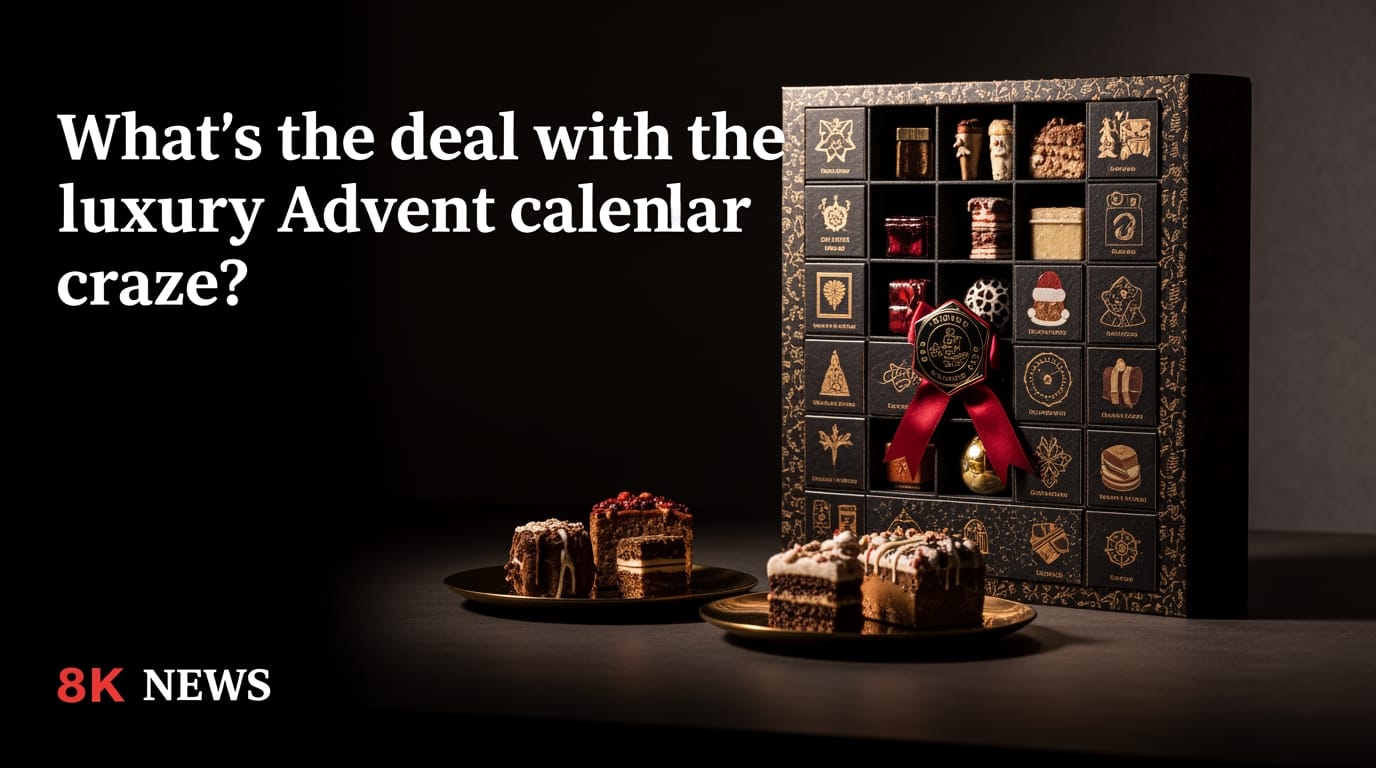
What once served as a simple, often chocolate-filled, daily countdown to Christmas has transformed into a multi-million-dollar industry offering opulent experiences. Luxury Advent calendars, brimming with high-end beauty products, artisanal gourmet treats, exquisite jewelry, and even fine spirits, have captivated consumers worldwide, turning the traditional holiday ritual into a lavish spectacle of daily surprises. This meteoric rise reflects a shift in consumer desires, a savvy marketing approach by premium brands, and the pervasive influence of social media, all contributing to a festive craze that continues to gather momentum.
From Humble Origins to High-End Delights
The Advent calendar, with roots tracing back to 19th-century German Protestants marking days with chalk or candles, has undergone a dramatic evolution. For decades, it remained a child-centric tradition, primarily featuring small chocolates or festive images behind each door. The paradigm shifted significantly in 2014 when Liberty London introduced a beauty Advent calendar containing miniature and full-sized products from premium brands like Diptyque and Philip Kingsley. This launch is widely credited as the pivotal moment that catapulted the concept from a niche novelty into a billion-dollar industry.
Today, the market for luxury Advent calendars is booming. Analysts project the global beauty Advent calendar market alone, valued at under $1 billion in 2025, to exceed $2 billion by 2032. Europe's non-chocolate Advent calendar segment, encompassing cosmetics, beverages, and lifestyle goods, has seen year-on-year growth rates surpassing 30%, now valued at over $200 million. This rapid expansion underscores a profound change in how consumers approach holiday anticipation, embracing daily indulgences that extend far beyond confectionery.
A Treasure Trove Behind Every Door
The allure of luxury Advent calendars lies in the curated selection of high-value items they contain. No longer limited to just chocolate, these calendars offer a diverse array of products from some of the world's most prestigious brands. Beauty and skincare calendars dominate the landscape, featuring items from powerhouses such as Dior, Charlotte Tilbury, Jo Malone London, Armani Beauty, and Sisley Paris. These often include travel-sized fragrances, full-size lipsticks, serums, and scented candles. For instance, Dior's calendars have offered miniature fragrances, skincare, and even festive ornaments, while Christian Louboutin's version includes makeup and charm accessories.
Beyond beauty, the offerings span a wide spectrum of luxury goods. Jewelry brands like Astrid & Miyu have entered the fray with calendars containing 14-karat gold and lab-grown diamond pieces. Gourmet options range from caviar and macarons to fine teas and specialized cheeses, with brands like La Maison du Caviar partnering with chocolatiers, and Murray's Cheese offering its own countdown. Even more niche categories, such as stationery, wellness products, and spirits like whiskey, have found a place in this market, demonstrating the boundless creativity brands are employing. The pinnacle of this extravagance was seen with Tiffany & Co.'s Advent calendar, costing around €120,000 and featuring 24 diamond-adorned pieces, including a stainless steel watch inlaid with diamonds.
The Psychology of Anticipation and Accessible Luxury
The widespread adoption of luxury Advent calendars can be attributed to a confluence of psychological drivers and modern marketing strategies. The act of opening a daily surprise taps into a primal sense of anticipation and childlike wonder, providing a "micro-dose" of joy each day leading up to Christmas. This daily ritual offers a structured, manageable treat that resonates with the "I'm worth it" sentiment prevalent in today's consumer culture, particularly among millennials who account for nearly half of all luxury Advent calendar purchases.
Brands skillfully leverage scarcity marketing, releasing limited-edition calendars that often sell out within minutes or hours. Charlotte Tilbury's 2024 calendar, for example, sold at a rate of one per minute, while No7's disappeared every seven seconds upon release. This creates a "fear of missing out" (FOMO) that drives rapid purchasing decisions, akin to high-demand concert ticket sales. Social media further amplifies this phenomenon, with platforms like TikTok and Instagram becoming fertile ground for "unboxing" videos that generate millions of views and turn these calendars into viral content.
From a brand perspective, these calendars serve as a potent marketing tool. They function as a "gateway drug to luxury," allowing consumers to experience a range of high-end products at a fraction of the cost of buying each item individually. This strategy introduces new customers to a brand's offerings and reinforces loyalty among existing ones, with the ultimate goal of converting them into future full-price purchasers. The perceived value often highlights that the combined retail value of the contents significantly exceeds the calendar's purchase price, further justifying the indulgence for many consumers.
The Price of Prestige: Cost, Value, and Scrutiny
While the allure is undeniable, the luxury Advent calendar market is not without its controversies. Price tags commonly range from €300 to €450 for beauty and lifestyle calendars, with some reaching into the thousands, such as Dior's high-end variations priced at $750 or even $4,200. This steep cost naturally raises questions about actual value and consumer expectations.
Instances of backlash have emerged, particularly concerning calendars that fail to deliver on the promise of luxury. In 2021, Chanel faced significant criticism after an influencer's unboxing video revealed its €850 calendar contained items like stickers, a keychain, and a dust bag, leading to widespread disappointment over the perceived low value. A similar sentiment followed a Dior calendar priced at €3,300, which some influencers found to contain predominantly mini perfumes and candles, including a mere candle lid in one instance. These incidents highlight the fine line brands walk between perceived value and consumer satisfaction, especially when the element of surprise is a core part of the appeal. While brands often list contents on their websites, many consumers opt to maintain the surprise, potentially leading to unmet expectations if the contents don't align with the luxury price point.
Furthermore, concerns regarding sustainability are increasingly voiced. Critics question the environmental impact of 24 miniature products, often encased in elaborate packaging designed as keepsakes, but ultimately contributing to waste. The emphasis on overconsumption, particularly during the holiday season, is also a point of contention, with some arguing that these calendars prioritize brand involvement and profit maximization over genuine festive spirit.
A Festive Future or Fading Fad?
The luxury Advent calendar craze represents a fascinating intersection of tradition, consumer psychology, and modern retail. With strong market growth projections and continued brand innovation, it appears this gilded countdown is far from fading. The industry's ability to evolve, offering ever more diverse and personalized experiences, suggests a sustained presence in the holiday market. However, as consumers become more discerning and environmentally conscious, brands will face increasing pressure to ensure genuine value, sustainable practices, and contents that truly resonate with the spirit of daily luxury, rather than just its facade. The future of the luxury Advent calendar will depend on its capacity to balance opulent indulgence with authentic satisfaction, ensuring that each opened door truly delivers on its promise of festive delight.