The Green Imperative: Can Developing Nations Forge a Future Beyond Fossil Fuels?
For decades, the narrative of economic advancement has been inextricably linked to the consumption of fossil fuels. Developing nations, striving to uplift their populations and industrialize their economies, historically embraced coal, oil, and natural gas as the primary engines of growth. However, as the planet grapples with an escalating climate crisis and the economic landscape of energy shifts dramatically, a critical question emerges: can these countries achieve prosperity without perpetuating a reliance on carbon-intensive energy sources? A growing body of evidence suggests that not only is a fossil-free development path possible, but it is increasingly becoming the most economically sound and sustainable option.
The Legacy of Carbon-Fueled Growth
The Industrial Revolution, the bedrock of modern economic development, was powered by fossil fuels. These energy sources provided the raw power for factories, transportation, and electricity generation, leading to unprecedented technological advancements and improved living standards in industrialized nations. Developing countries, seeking to replicate this success, often viewed their own fossil fuel reserves as a direct ticket to prosperity. Historically, countries endowed with fossil fuels demonstrated faster economic convergence with wealthier nations, leveraging these resources for immediate economic gains. The fossil fuel industry has historically contributed significantly to job creation and generated substantial tax revenues, further entrenching its role in national economies.
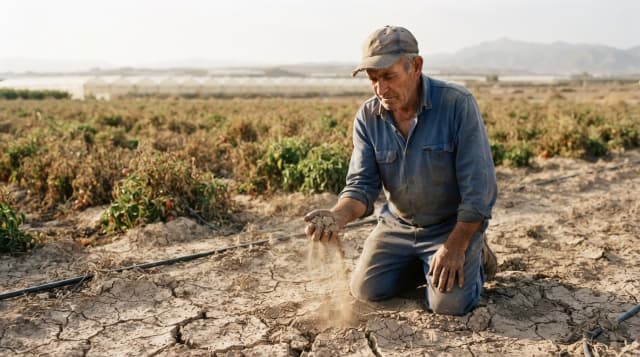
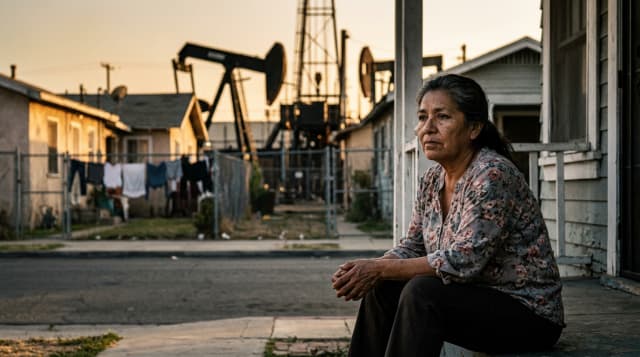
However, this reliance comes with a steep and accumulating cost. The combustion of fossil fuels is the leading cause of climate change, releasing vast amounts of carbon dioxide and other greenhouse gases into the atmosphere. This has led to global warming, manifesting as rising sea levels, extreme weather events, biodiversity loss, and increased food insecurity. Beyond climate impacts, local air pollution from burning fossil fuels, including particulate matter, sulfur dioxide, and nitrogen oxides, contributes to severe respiratory diseases and millions of premature deaths annually, disproportionately affecting vulnerable populations. Furthermore, many developing countries remain highly dependent on imported fossil fuels, making their economies vulnerable to volatile global oil prices and geopolitical instability.
The Ascendancy of Renewables: A New Development Paradigm
The energy landscape is undergoing a profound transformation, with renewable energy sources like solar, wind, and geothermal rapidly emerging as economically competitive and environmentally superior alternatives. Once considered prohibitively expensive for developing nations, investment trends have shifted dramatically. Since 2015, non-hydro renewable energy investment in developing countries has surpassed that in developed countries, accounting for 54% of global renewable energy investment in 2019. This shift is driven by declining costs, technological innovation, and an increasing recognition of the inherent advantages of clean energy.
Renewable energy projects are now consistently cheaper than new, and often existing, fossil fuel plants. In 2024, an impressive 91% of new renewable power projects were more cost-effective than any new fossil fuel alternative. Specifically, solar photovoltaics were 41% cheaper and onshore wind 53% cheaper than the lowest-cost fossil fuel alternatives. This economic advantage is significant, shielding developing nations from the unpredictable price swings of fossil fuels and enhancing energy security by diversifying energy portfolios with abundant, domestically available resources.
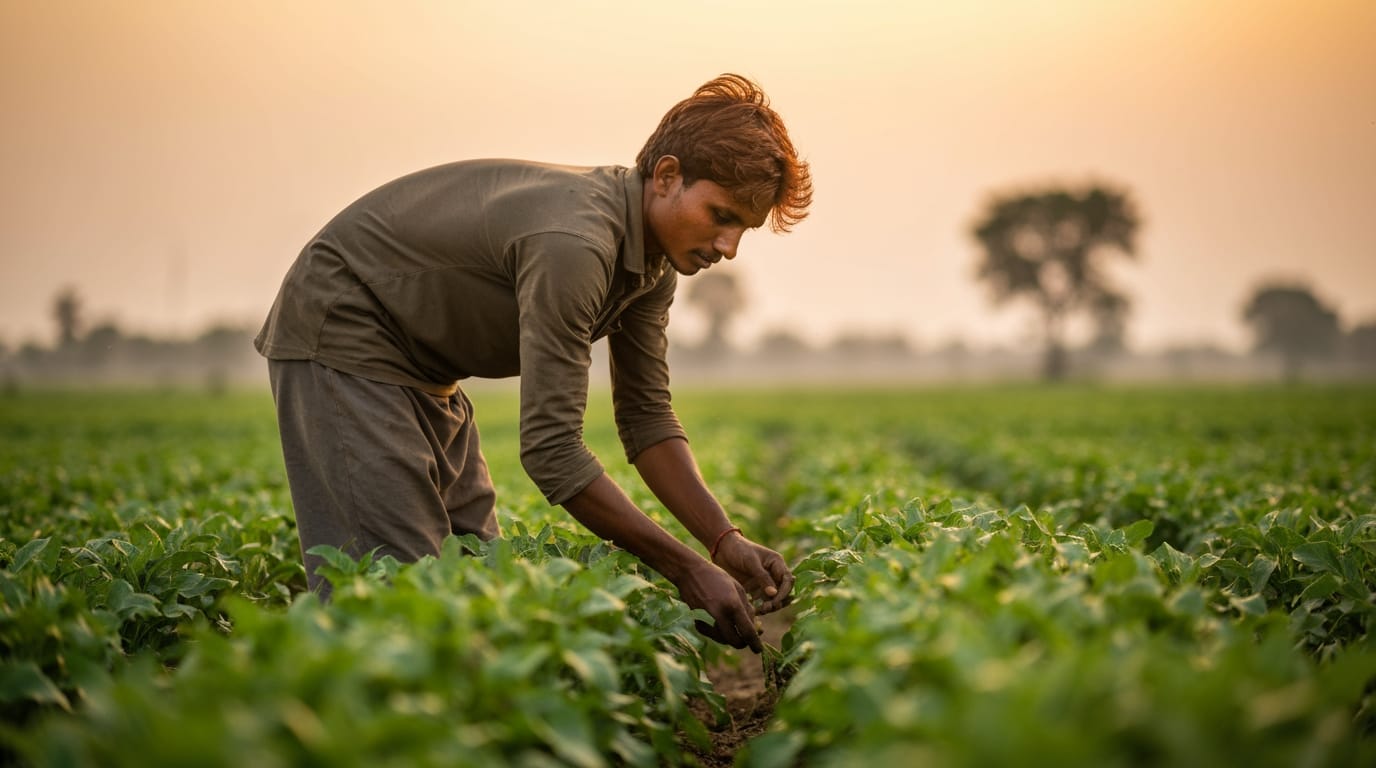
Beyond cost savings, the transition to renewables offers substantial socio-economic benefits. The renewable energy sector is a significant job creator, generating three times as many jobs per dollar invested compared to the fossil fuel industry. These opportunities span manufacturing, installation, operation, and maintenance, stimulating local economies and fostering new skill sets. For rural and isolated communities, where extending national grids for fossil fuel-generated electricity is often uneconomical, off-grid renewable technologies provide a sustainable and cost-effective solution for energy access, powering homes, schools, and businesses, and reducing reliance on polluting traditional biomass fuels. This aligns directly with Sustainable Development Goal 7, which aims to ensure access to affordable, reliable, sustainable, and modern energy for all.
Navigating the Hurdles: Challenges of a Just Transition
Despite the compelling advantages, the path to a fossil-free future for developing countries is not without significant challenges. These nations often face substantial hurdles, including high upfront capital costs for clean energy infrastructure, a lack of advanced technology, and a shortage of specialized expertise. While international financial flows for clean energy in developing countries have been increasing, they remain insufficient to meet the estimated annual investment of $1.7 trillion needed for the energy transition, with persistent disparities in funding allocation.
The concept of a "just transition" is paramount to address potential negative impacts, such as job losses in traditional energy sectors. Policies must include retraining programs and investments in green jobs to ensure that communities and workers are not left behind. Moreover, many developing countries with existing fossil fuel reserves are understandably reluctant to forgo their exploitation, viewing them as crucial for immediate economic growth and revenue generation. This dilemma is further complicated by the fact that some developed nations, despite advocating for global decarbonization, continue to plan for fossil fuel expansion, creating an equity challenge in global climate action. The risk of developing countries becoming "locked into fossil fuel dependency" through external investments or lack of alternatives remains a concern. Furthermore, integrating variable renewable energy sources into existing grids presents technical challenges, requiring significant upgrades and new infrastructure.
Charting a Collaborative Course for Sustainable Development
Achieving a truly sustainable and equitable energy transition in developing countries requires concerted global cooperation and innovative solutions. Enhanced international financial support, including concessional funding, grants, and debt relief, is critical to bridge the investment gap and reduce the cost of capital for clean energy projects. Technology transfer and capacity building are equally vital, empowering developing nations to adopt, adapt, and innovate clean energy solutions tailored to their specific contexts.
Public-private partnerships, often facilitated by international organizations like the World Bank, are proving effective in mobilizing the necessary capital and expertise. Morocco, for instance, has demonstrated success in attracting private investment in large-scale renewable energy projects through strong government commitment and supportive frameworks. Decentralized renewable energy solutions, such as mini-grids and off-grid solar systems, offer particularly promising pathways for accelerating energy access in remote and underserved areas.
The economic imperative to transition away from fossil fuels is now clearer than ever. The environmental costs are increasingly catastrophic, and the economic benefits of renewables—cost-effectiveness, energy security, and job creation—are compelling. While the historical trajectory of development may have been fueled by carbon, the future demands a different engine. By embracing renewable energy and fostering robust international partnerships, developing nations can not only achieve their developmental aspirations but also lead the way towards a more resilient, equitable, and sustainable global future.