The Hidden Carbon Cost of Our Cloud: Why Data Centers Still Depend on Fossil Fuels
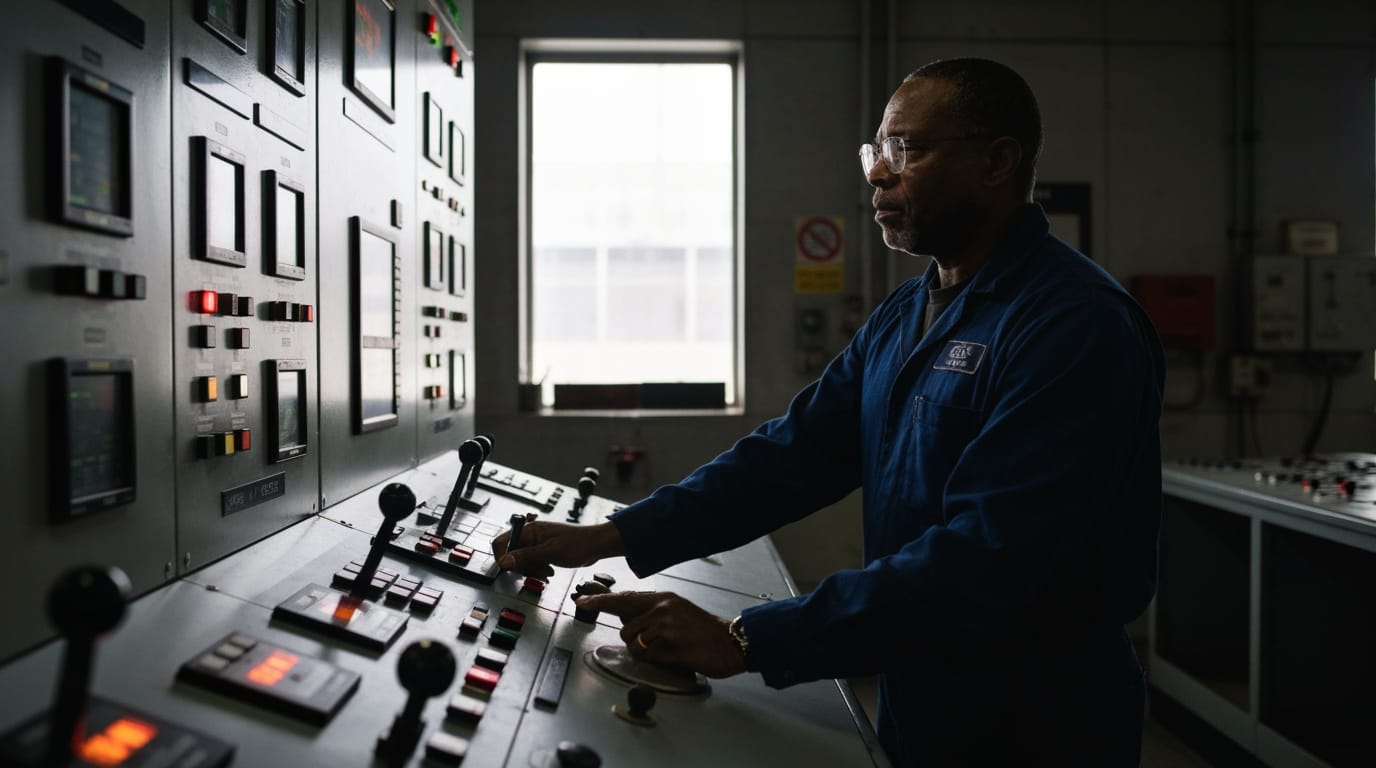
The digital world, often perceived as ethereal and weightless, rests upon a surprisingly heavy foundation: massive data centers that consume prodigious amounts of energy. While tech giants frequently tout their sustainability goals and investments in renewable energy, the stark reality is that the "cloud" continues to run significantly on coal and natural gas, posing a complex and escalating challenge to global decarbonization efforts. This intricate dependence on fossil fuels stems from the sheer scale of energy demand, the limitations of current grid infrastructure, and the inherent challenges of integrating intermittent renewable sources with the need for uninterrupted power.
The Invisible Engine's Voracious Appetite
Data centers, the physical infrastructure housing the servers and networking equipment that power everything from social media to artificial intelligence, are among the world's most rapidly growing energy consumers. In 2024, global data center electricity consumption was approximately 415 terawatt hours (TWh), accounting for about 1.5% of the world's total electricity use. This figure has been growing at a compound annual rate of 12% since 2017, a pace more than four times faster than overall global electricity consumption. Projections are even more striking: some estimates suggest energy consumption could reach 1,050 TWh by 2026, which would make data centers, if they were a country, the fifth-largest energy consumer globally, surpassing nations like Japan and Russia. The International Energy Agency (IEA) projects this demand could double to 945 TWh by 2030, representing just under 3% of total global electricity consumption.
This immense power draw is fueled by the continuous operation of thousands of servers, extensive cooling systems, and supporting infrastructure like lighting and power distribution. Cooling alone can account for over 40% of a data center's electricity usage, and these systems also demand substantial amounts of water, with U.S. data centers consuming about 17 billion gallons in 2023. The ceaseless demand for uptime means these facilities often require large backup power systems, predominantly diesel generators, further entrenching fossil fuel reliance.
The Grid's Fossil Fuel Foundation
The primary reason the cloud remains tethered to fossil fuels is its direct connection to existing electrical grids. These grids, in many parts of the world, still rely heavily on conventional power generation. In 2024, most electricity used in data centers globally, around 40%, came from natural gas sources, followed by renewables at 24%, nuclear power at 20%, and coal at 15%. However, this mix varies significantly by region. In the United States, natural gas is the biggest source of electricity for data centers, meeting over 40% of the demand, with coal contributing around 15%. In China, coal dominates the data center electricity supply, with a near 70% share in regions where data centers are concentrated.
When a data center draws power from the grid, its carbon footprint directly reflects the energy mix of that local grid. While some regions boast grids with a higher percentage of clean energy, others remain heavily dependent on fossil fuels. The growth of data center infrastructure is so rapid that it often outpaces the development of renewable energy capacity within these grids. This forces utilities to rely on existing fossil fuel plants or even build new ones to meet the surging demand. For instance, Louisiana regulators approved plans for three new gas power plants to offset expected electricity demand from a major AI data center. This trend risks undermining national and international climate commitments as grid operators turn to readily available, albeit carbon-intensive, solutions to ensure stability.
The Renewable Promise and Its Complex Realities
Major technology companies, including Google, Microsoft, Amazon, and Meta, have made substantial commitments to power their operations with 100% renewable or carbon-free energy. They are among the largest corporate buyers of renewable energy globally, often through Power Purchase Agreements (PPAs) that support the development of new solar and wind farms. Google, for example, has made significant strides in optimizing the energy efficiency of its data centers, which are on average twice as efficient as those of a standard organization, and has achieved 67% carbon-free energy 24/7 across its data centers.
However, achieving true 24/7 renewable power presents significant hurdles. The inherent intermittency of solar and wind energy, which fluctuate with weather conditions and time of day, means they cannot guarantee a continuous and stable power supply. Data centers require "dispatchable" power—electricity that can be turned on or off instantly to match demand—a characteristic not easily met by these variable sources alone. While advanced energy storage solutions like large-scale batteries are being developed to bridge these gaps, they are currently limited in capacity, costly, and still in early stages of development for the massive scale required by data centers. Grid limitations, including the age and design of existing infrastructure, also hinder the seamless integration of large volumes of renewable energy. This means that even with significant renewable energy purchases, data centers often still rely on grid power, which includes fossil fuels, to maintain uninterrupted service.
The AI Accelerator and Infrastructure Strain
The recent boom in Artificial Intelligence (AI) has dramatically intensified the energy challenge. AI tools, particularly those utilizing large language models, require exponentially more computing power than traditional cloud services. AI workloads can consume 3-5 times more energy than traditional computing, further accelerating the demand for electricity. This surge in computational demand directly translates into a significant increase in data center energy usage and associated emissions. The IEA identifies AI as "the most important driver" of data center growth, projecting that AI could account for 35-50% of data center power use by 2030.
This rapid expansion is placing unprecedented strain on existing power grids. Utilities in major markets, such as Northern Virginia, a hub for data centers, have expressed concerns about available capacity and, in some cases, have paused data center development until infrastructure can be improved. The U.S. energy grid is under strain, with data centers and electric vehicles propelling national energy consumption to new highs. This pressure often results in utilities turning to natural gas as a quicker solution to meet the increased load, potentially leading to the construction of new fossil fuel plants and an increase in carbon emissions.
Charting a Sustainable Digital Future
Addressing the environmental impact of the cloud requires a multifaceted approach that extends beyond individual corporate pledges to systemic changes in energy infrastructure. Maximizing energy efficiency within data centers remains crucial, alongside enhancing demand flexibility to better manage peak loads. Innovations in cooling technologies and server optimization continue to play a vital role in reducing overall consumption.
However, the most significant shifts must occur at the grid level. Accelerating the deployment of clean energy solutions like solar, wind, and advanced nuclear technologies, including small modular reactors (SMRs), is essential to decarbonize the power supply that data centers draw from. Investments in robust energy storage systems and grid modernization are critical to overcome the intermittency of renewables and ensure a stable, 24/7 clean power supply. Microgrids that integrate on-site renewable generation with storage and intelligent control systems offer a promising pathway for data centers to operate with greater independence from the main grid and enhance resilience.
The journey towards a truly green cloud is complex, intertwined with the broader global energy transition. It necessitates collaboration between tech companies, energy providers, and policymakers to develop sustainable solutions that can meet the escalating demands of our digital future without compromising the planet's health. The current reliance on coal and natural gas for our seemingly invisible cloud serves as a powerful reminder that every digital interaction has a tangible, often carbon-intensive, footprint.