The Hidden Cost of Conservation: Tanzania's Communities Bear the Burden of Wildlife Protection
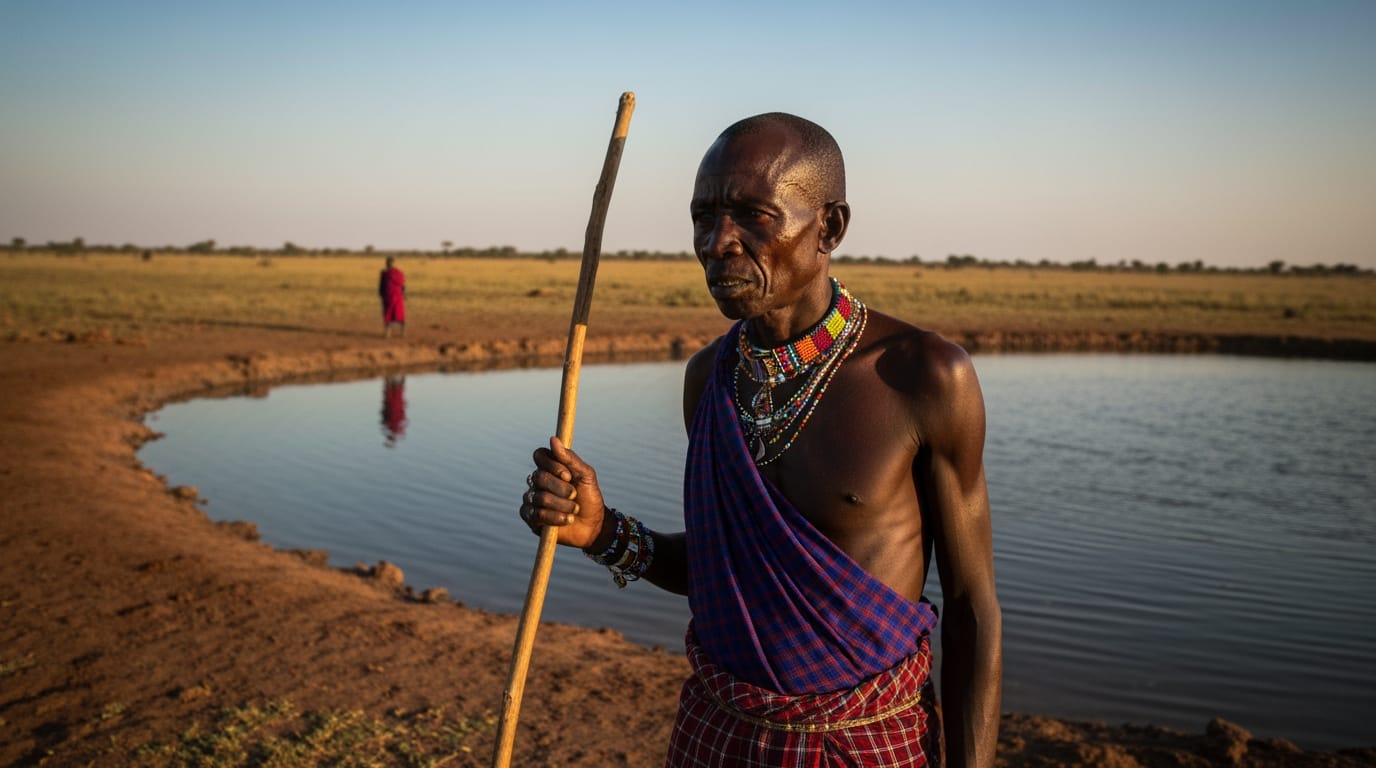
Dar es Salaam, Tanzania – Tanzania, a jewel in the crown of global wildlife conservation, boasts vast protected areas teeming with iconic species, drawing millions of tourists and substantial revenue. Yet, beneath this veneer of ecological success lies a profound human cost, borne disproportionately by the very communities who have coexisted with wildlife for generations. From forced displacements and erosion of livelihoods to violent human-wildlife conflicts, the pursuit of conservation in Tanzania often places immense burdens on its indigenous and local populations, challenging the very notion of sustainable development.
The Displaced and Dispossessed: A Legacy of Relocation
The establishment and expansion of Tanzania's protected areas have a long and often contentious history of dispossessing local communities of their ancestral lands. Historically, such relocations date back to the colonial era, with patterns continuing post-independence. The Maasai, a pastoralist community renowned for their traditional coexistence with wildlife, have been particularly impacted. They were, for instance, compelled to leave the Serengeti National Park in 1959, later to face restrictions and further threats of eviction from the Ngorongoro Conservation Area (NCA), a UNESCO World Heritage Site where they had been promised permanent settlement.
More recently, thousands of Maasai have faced ongoing intimidation, harassment, and violent evictions from areas like Loliondo in the Ngorongoro district, often to make way for tourism and trophy hunting concessions. In June 2022, authorities reportedly engaged in abusive tactics, including beatings, shootings, sexual violence, and arbitrary arrests, to forcibly remove residents. Satellite imagery analysis in July 2022 showed approximately 90 homesteads and animal enclosures burned within a newly demarcated area in Loliondo. Similar concerns have emerged around the expansion of Ruaha National Park, where an Oakland Institute report in 2023 alleged plans to evict over 20,000 people and claimed that wildlife rangers used violent means, including murder, rape, forced displacement, and cattle seizures, to force people off their land. The World Bank subsequently suspended funding for its Resilient Natural Resource Management for Tourism and Growth (REGROW) project in April 2024, citing concerns over these serious allegations.
These displacements mean a loss of access to traditional lands crucial for agriculture and pastoralism, effectively dismantling the foundation of local livelihoods. Communities around areas like Saadani National Park have reported reduced access to land and agricultural opportunities following the park's expansion.
Daily Battles: Human-Wildlife Conflict and Livelihood Erosion
For communities living adjacent to or within conservation zones, the "human cost" is a daily reality manifested through constant human-wildlife conflict (HWC). As human populations grow and land use changes, wildlife corridors are often encroached upon, bringing people and animals into closer, often perilous, contact.
Crop raiding, predominantly by elephants, is a widespread and devastating problem, especially during harvest seasons, leading to significant food shortages for subsistence farmers. In the Greater Serengeti Ecosystem, wildlife caused an estimated annual loss of crops valued at $489,000, along with livestock losses of $17,600, between January 2015 and October 2022. Livestock predation by carnivores like lions, hyenas, and cheetahs also inflicts substantial economic hardship on pastoralist communities.
Beyond economic losses, HWC poses direct threats to human life and safety. Between 2018 and 2022, over 5,304 human lives were lost, and more than 44,000 Tanzanians were negatively impacted by HWC incidents nationwide. Elephants are frequently cited as the primary cause of human injuries and fatalities. In the Serengeti District and Ngorongoro Conservation Area alone, an average of 22 people were injured and eight killed each year, mostly by elephants, during the same period. The inadequate compensation provided by the government, often covering less than 20% of total financial losses, further exacerbates the vulnerability of these communities. This lack of effective redress fuels negative attitudes toward wildlife and conservation efforts, sometimes leading to retaliatory killings of animals.
The Unmet Promise: Unequal Benefits and Broken Trust
While wildlife tourism is a significant economic driver for Tanzania, contributing substantially to its gross domestic product and funding conservation initiatives, the benefits are often not equitably distributed to local communities. While tourism creates employment opportunities in hospitality, guiding, and related services, and some revenue is channeled into community development projects like schools and healthcare facilities, these benefits frequently do not outweigh the profound costs borne by those living closest to protected areas.
Many local residents, particularly those who experience the brunt of HWC and land restrictions, perceive minimal or no direct benefit from the conservation areas. A study near Mikumi National Park found that 54.5% of respondents believed there were few benefits, and 16.9% felt they received no benefits at all, often citing conflicts with park authorities. This disparity fosters negative attitudes towards conservation and can undermine long-term sustainability. Moreover, the cultural fabric of indigenous groups like the Maasai, whose livelihoods and traditions are intricately linked to their land and livestock, is severely disrupted by conservation policies that restrict their access and way of life.
A Pattern of Abuse: Rights Violations and International Scrutiny
The controversies surrounding conservation in Tanzania extend to serious allegations of human rights violations. Reports from organizations like Human Rights Watch detail instances where Maasai communities in the Ngorongoro Conservation Area have faced systematic denial of basic services, including healthcare and education, as a tactic to compel them to relocate. The downgrading of facilities, such as the Endulen Hospital to a mere dispensary in 2022, exemplifies this pattern. Restrictions on movement, grazing, and access to cultural sites are also reported, alongside arbitrary arrests and harassment by government rangers.
The government's actions, often justified by concerns over increased human and livestock populations impacting conservation, have led to international condemnation and scrutiny. The World Bank's decision to suspend funding for a major tourism and conservation project in April 2024 due to allegations of human rights abuses, including murder and sexual violence, underscores the severity of the situation and the global attention it has garnered. Critics argue that these actions often occur without proper consultation or the free, prior, and informed consent of indigenous communities, violating their land and cultural rights.
Towards a More Equitable Future: Reimagining Conservation
The complex challenges faced by Tanzanian communities in the name of wildlife conservation highlight the urgent need for a paradigm shift. While protecting biodiversity is crucial, it must not come at the expense of human dignity and fundamental rights.
Efforts towards sustainable solutions include advocating for community-based conservation models, where local populations are actively involved in wildlife management and directly benefit from conservation efforts. Wildlife Management Areas (WMAs), where communities manage wildlife resources and receive tourism revenues, are cited as a promising approach, with examples like the Burunge WMA funding schools and healthcare. However, challenges remain in ensuring equitable distribution of benefits and genuine local participation, as power imbalances and inadequate incorporation of traditional knowledge can undermine their effectiveness.
There is a growing call for conservation policies that prioritize human well-being, ensure secure land tenure, provide fair compensation for losses, and implement genuine participatory processes. Addressing the underlying causes of human-wildlife conflict, such as habitat loss and climate change, and strengthening compensation schemes are also critical steps.
Ultimately, the long-term success of conservation in Tanzania hinges on recognizing and valuing the role of its people, particularly indigenous communities, as stewards of the land. Reconciling the imperative of wildlife protection with the rights and livelihoods of local populations is not merely an ethical consideration but a strategic necessity for fostering a truly sustainable and harmonious coexistence between humans and nature.


