The Humble Plastic Straw: Assessing Its Environmental Impact
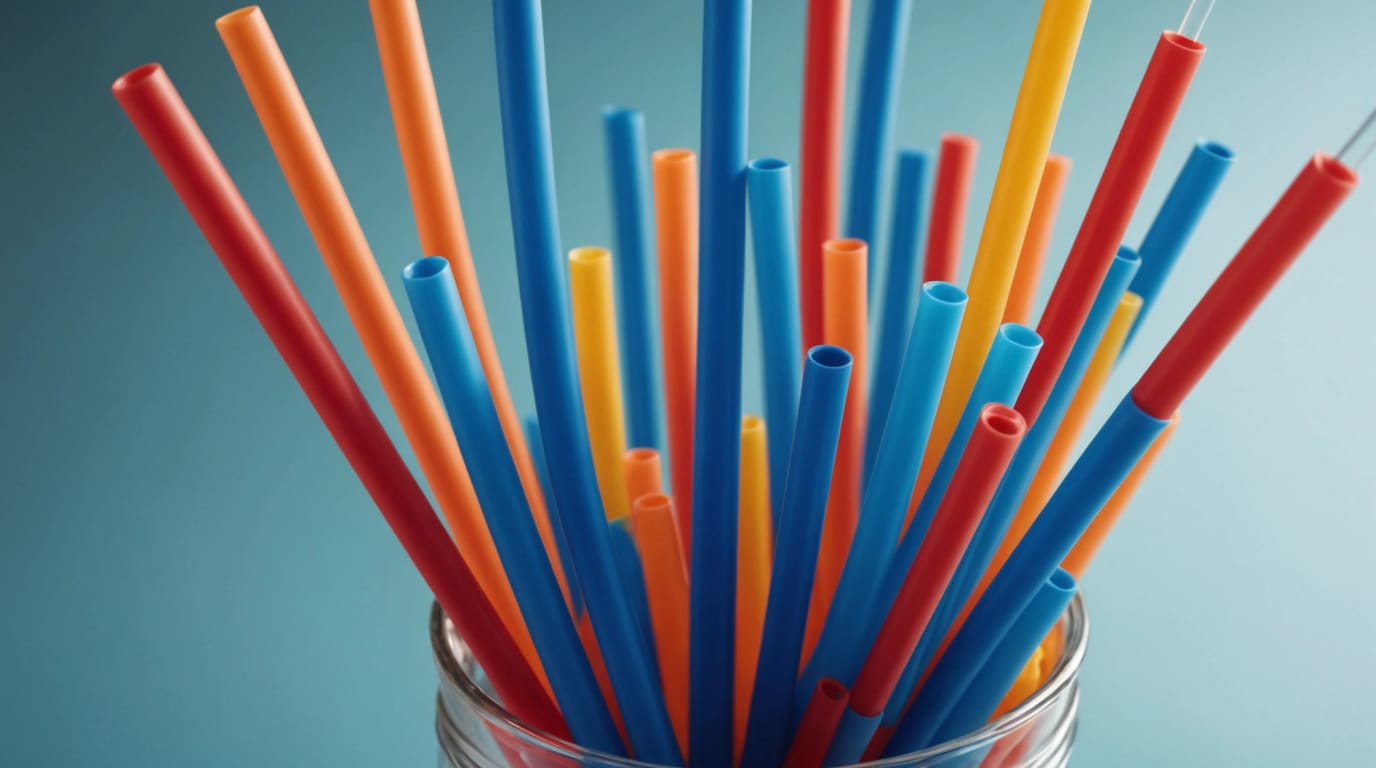
The plastic straw, a ubiquitous accessory to beverages worldwide, has become a focal point in the global conversation about plastic pollution. While seemingly insignificant, these slender tubes contribute to a complex web of environmental concerns, prompting bans, alternative solutions, and ongoing debate about their true impact.
A Brief History and Rise of Plastic Straws
The concept of the drinking straw dates back millennia, with evidence of Sumerians using gold straws as early as 3000 B.C. In the 1800s, rye grass straws were popular, but they tended to fall apart quickly. Marvin C. Stone patented the first paper straw in 1888, revolutionizing the drinking experience. However, the advent of inexpensive plastics after World War II led to the mass production and widespread adoption of plastic straws, particularly in the fast-food industry of the 1960s and 70s. Their low cost, durability, and neutrality in taste made them a convenient choice. By the 1980s, bendable plastic straws were ubiquitous.
The Environmental Problem
The convenience of plastic straws comes at a steep environmental price. Most plastic straws are made from polypropylene, a petroleum byproduct that is difficult to recycle. Due to their small size and light weight, they often slip through recycling machinery, ending up in landfills or polluting the environment. Plastic straws are not biodegradable, meaning they persist for hundreds of years, breaking down into smaller and smaller pieces known as microplastics.
An estimated 8.3 billion plastic straws pollute the world's beaches. These straws contribute to the approximately 8 million tons of plastic that enter the ocean every year. Marine animals often mistake plastic debris for food, leading to ingestion, entanglement, and other harmful effects. Plastic has been found in an estimated 90% of seabirds and all sea turtle species. Some sources predict that by 2030, there could be more plastic than fish in the ocean by weight. Furthermore, plastic straws can clog drainage systems and pollute soil and waterways, persisting for potentially millions of years. Microplastics from straws and other plastic products have even been detected in human blood.
The Bans and Their Effectiveness
The image of a sea turtle with a straw lodged in its nose sparked public outrage and fueled the anti-straw movement in 2018. Cities, states, and even entire countries began implementing bans on plastic straws. Large corporations like Starbucks and McDonald's also started phasing them out.
However, the effectiveness of plastic straw bans in significantly reducing plastic waste is debatable. Some studies suggest that plastic straws account for only a small fraction of overall plastic pollution. For example, one report indicated that straws comprise only 0.025% of the total plastic entering the ocean annually. Critics argue that focusing solely on straws may create a false sense of accomplishment, diverting attention from more significant sources of plastic pollution.
Despite these criticisms, straw bans have been credited with raising public awareness about plastic waste and encouraging a broader shift away from single-use plastics.
Alternatives and Innovations
As plastic straw bans gain momentum, various alternatives have emerged, each with its own set of advantages and disadvantages:
- Paper Straws: Paper straws are a popular alternative, as they are recyclable and compostable. However, they can become soggy and dissolve quickly, limiting their usability.
- Reusable Straws: Options include stainless steel, glass, bamboo, and reusable plastic straws. These are more durable but require cleaning and may not be as convenient for on-the-go use. Glass straws are easy to clean because you can see inside them, but they can transfer heat. Metal straws are durable and sleek. Bamboo straws are biodegradable and antibacterial.
- Biodegradable Plastic Straws: Straws made from materials like PLA (Polylactic Acid) are marketed as biodegradable. However, they often require specific conditions, such as high temperatures in industrial composting facilities, to break down effectively.
- Edible Straws: These straws are flavored, edible, and biodegradable.
- Plant-Based Straws: These include straws made from papaya leaf stems, wheat, rice, or grass.
- Silicone Straws: These are reusable and can be a good option for children, but are hard to recycle.
The Bigger Picture
While the debate over plastic straws continues, it is essential to recognize that they represent a small part of a much larger problem. Addressing plastic pollution requires a multifaceted approach that includes reducing overall plastic consumption, improving recycling infrastructure, developing innovative materials, and promoting responsible waste management practices.
Banning plastic straws can be a symbolic first step, but it should not be the only action taken. A fundamental shift away from single-use plastics is necessary to protect the environment and ensure a sustainable future.