The Pulpit's Paradox: Why U.S. Pastors Hesitate to Preach on Climate Change

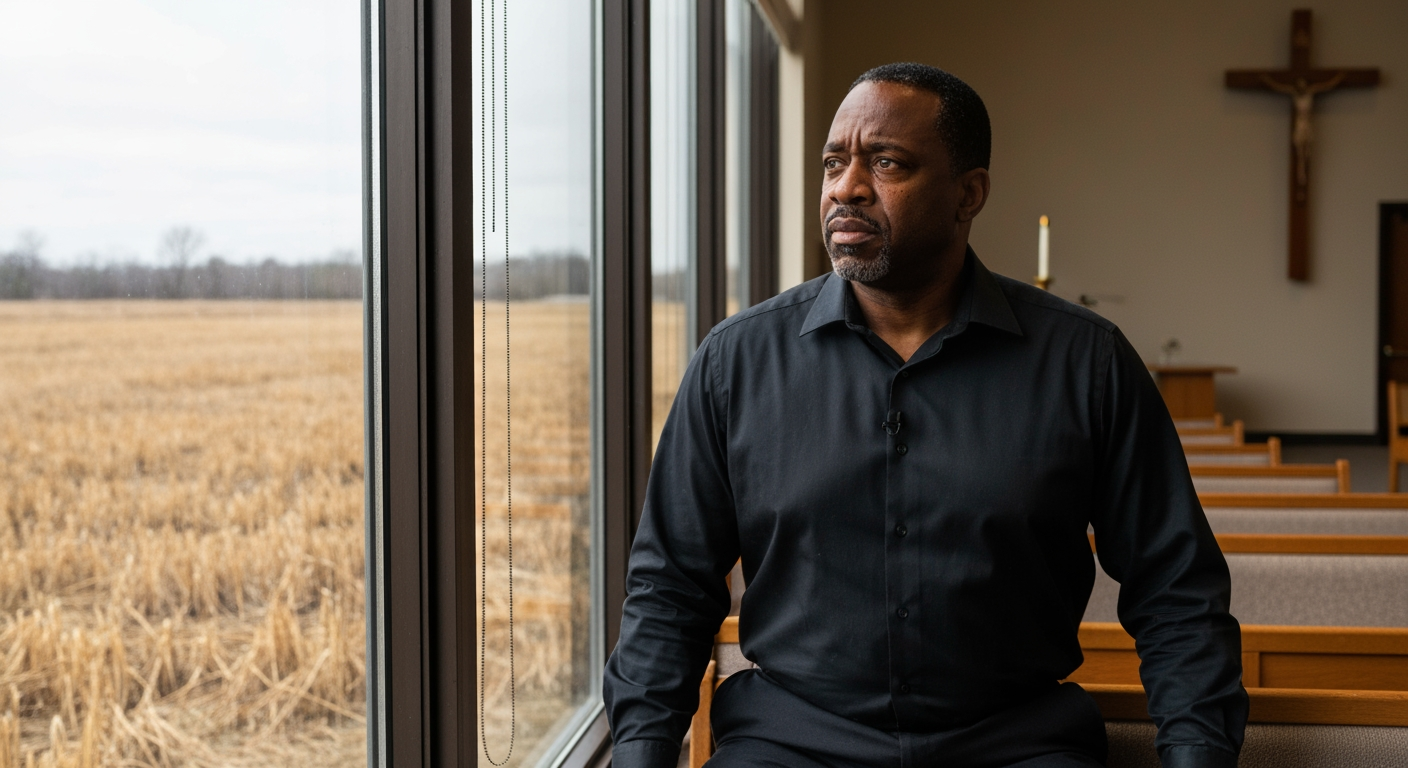
Across the United States, a significant disconnect persists between widely held religious tenets of environmental stewardship and the relative silence on climate change from the nation's pulpits. While a substantial majority of Christian leaders acknowledge the reality of human-caused climate change, many refrain from addressing the issue directly with their congregations, creating a complex paradox within faith communities navigating one of the most pressing global challenges. This reluctance stems from a multifaceted interplay of theological interpretations, intense political polarization, fears of congregational division, and practical challenges related to resources and training.
At the core of this hesitancy lies a tension within religious doctrine regarding humanity's relationship with the natural world. Many faith traditions, particularly Christianity, embrace the concept of "stewardship," which posits that humans have a divinely ordained responsibility to care for the Earth and its resources. A 2022 Pew Research Center survey found that approximately 80% of religiously affiliated Americans agree that "God gave humans a duty to protect and care for the Earth, including the plants and animals." Studies have consistently shown that strong stewardship beliefs are associated with greater concern for climate change as a moral imperative. However, another interpretative strand, often termed "dominion," emphasizes humanity's authority over nature, sometimes leading to a perception that resources are solely for human exploitation, thereby diminishing environmental concerns. While six-in-ten religiously affiliated adults hold both stewardship and dominionist views, messages emphasizing care for nature from trusted religious sources, such as biblical passages on stewardship or papal encyclicals, have been shown to increase moral concern for the environment and climate change. This suggests that how these theological concepts are presented and prioritized can profoundly influence congregants' attitudes, yet pastors often navigate this terrain with caution.
A primary obstacle for many pastors is the highly politicized nature of climate change in American society. What might be viewed as a moral or scientific issue in other contexts has become a deeply partisan one in the U.S., making it a "third rail" for many religious leaders. Research indicates that political identity and ideology are strong predictors of climate beliefs, even among religious leaders. For instance, a 2019-2020 National Survey of Religious Leaders report revealed that nearly 80% of evangelical Protestant pastors reject the scientific consensus that human actions are a major cause of climate change, in stark contrast to roughly one-quarter of clergy from other Christian traditions like Catholic and mainline Protestants. This partisan divide within congregations creates a fear among pastors of alienating members or being perceived as advocating a political agenda rather than a spiritual one. For denominations where members lean heavily Republican, discussing climate change can be seen as an endorsement of policies often associated with the Democratic Party, potentially leading to congregational pushback and internal strife. The silence can sometimes be a strategic choice to preserve unity, even if it means sidestepping a critical issue.
Beyond political sensitivities, many pastors grapple with a perceived lack of adequate resources and training to effectively address climate change. They may feel ill-equipped to discuss the complex scientific underpinnings of climate change or to integrate environmental themes seamlessly into sermons and congregational activities. This knowledge gap can deter them from engaging with the topic, even if they personally believe it is important. Efforts are underway to bridge this gap, with organizations offering training programs that equip clergy to understand eco-theology, engage with climate science, and provide pastoral care for issues like eco-anxiety and climate grief. These initiatives aim to empower pastors to connect scientific realities with theological mandates for creation care, helping them to move congregants from denial or inaction to engagement and advocacy.
Furthermore, pastors often face a multitude of competing priorities within their ministries. Issues such as poverty, social justice, community outreach, and the spiritual development of their congregants typically command significant attention and resources. In this landscape, climate change may not always be seen as a central or urgent religious concern, especially when viewed through a lens that prioritizes immediate human needs over long-term environmental degradation. However, a growing perspective within faith communities frames climate change as an issue of profound justice, disproportionately affecting vulnerable populations around the globe. This reframing can help integrate climate action into broader justice ministries, making it a more direct and compelling pastoral concern.
Despite these significant barriers, there is a discernible, albeit slow, shift within religious communities. A 2025 study found that while 90% of U.S. Christian leaders accept the scientific consensus on human-caused climate change, only half reported discussing it with their churches, and only a quarter mentioned it more than once or twice. Crucially, the same study revealed that U.S. Christians significantly underestimate the prevalence of their leaders who believe in climate change. Informing congregants of their leaders' actual beliefs can reduce misperceptions and increase the likelihood that taking climate action is seen as consistent with church values. Moreover, a growing faction of evangelical Christians, for example, are pushing for climate action, grounding their efforts in the mission to protect God's creation. Major denominations and interfaith organizations are increasingly engaging with climate issues, seeing it as a moral imperative to protect the planet and its inhabitants.
The reluctance of many U.S. pastors to preach on climate change is a complex issue, deeply rooted in theological interpretations, exacerbated by political polarization, and hindered by practical challenges. Yet, as the impacts of a changing climate become increasingly evident, the moral and ethical dimensions of environmental degradation are compelling more faith leaders to break the silence. The ongoing evolution of theological discourse, coupled with targeted training and a clearer understanding of congregants' receptivity, may pave the way for the pulpit to play a more prominent role in inspiring action on climate change, transforming it from a divisive political topic into a shared moral imperative for creation care.
Related Articles

Record-Shattering Summer of 2023 Signals New Climate Reality, Defying Claims of Normalcy
GENEVA, SWITZERLAND – The summer of 2023 was anything but "normal," marked by an unprecedented cascade of extreme weather events and record-breaking temperatures across the globe, according to leading international...


Global Eco-Innovations Highlight Path to Sustainable Future
Across the globe, innovative approaches to environmental challenges are demonstrating tangible successes, offering a beacon of hope in the ongoing fight against climate change. From high-tech indoor farming in the...


Global Green Shoots: Hungary Embraces Solar, Marmots Stage Comeback, and Rome Reinvents Urban Living
In a world grappling with persistent environmental challenges, recent developments across Europe and North America offer a compelling narrative of progress, innovation, and resilience. From Hungary's unexpected ascent...