Europe's Scorching Summers Fuel a Battle Against Climate Disinformation
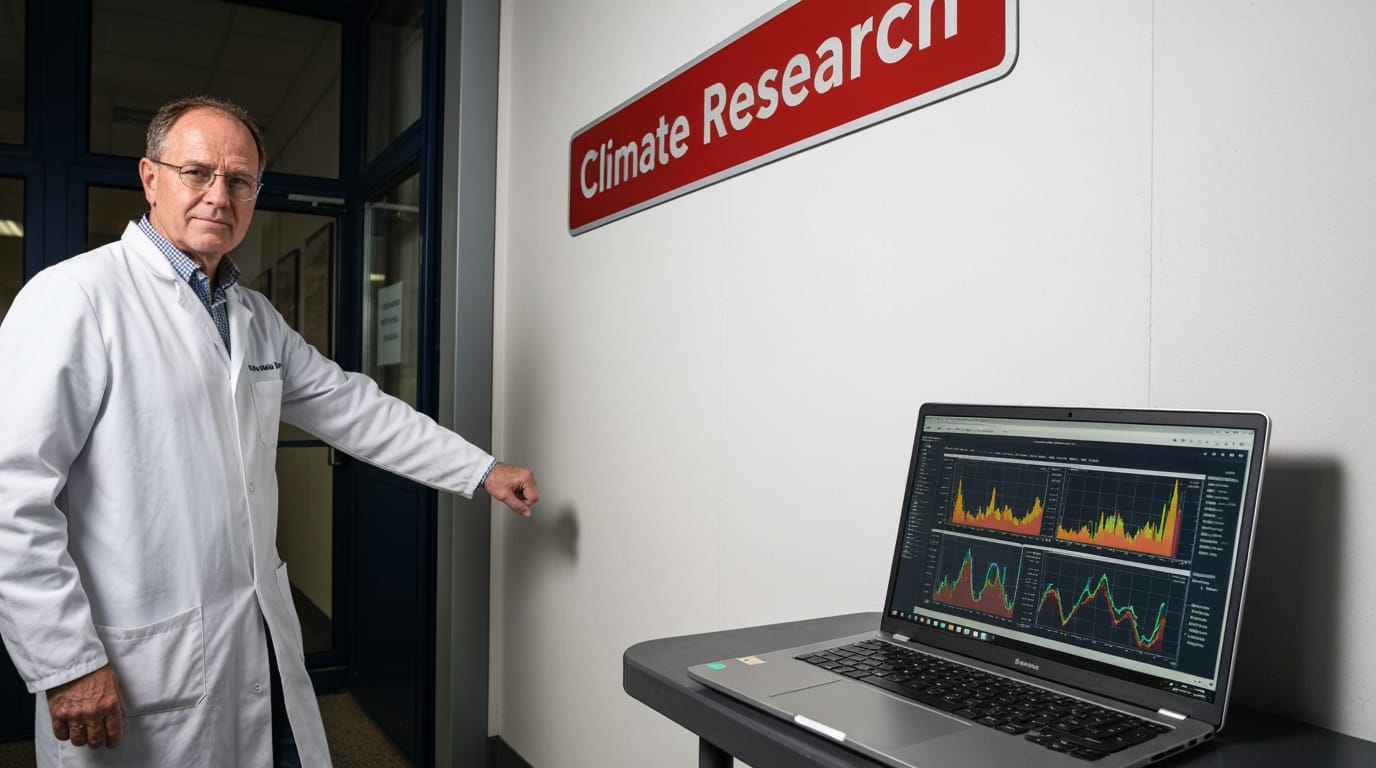
As record-shattering heatwaves continue to grip Europe, transforming accustomed summer warmth into dangerous extremes, a parallel battle is intensifying across digital platforms: the struggle against climate disinformation. These intense weather events, which scientists confirm would have been "virtually impossible" just 50 years ago without human-induced climate change, are paradoxically met with a surging tide of false narratives designed to sow doubt, undermine scientific consensus, and hinder effective climate action. The persistent dissemination of misleading information poses a profound threat not only to public understanding but also to the collective ability to respond to an escalating global crisis.
The Unmistakable Reality of a Warming Continent
Europe has become a focal point for unprecedented heat, with recent summers witnessing spells of unusually hot weather and record-breaking temperatures across the continent. Scientists unequivocally link the intensity and increased frequency of these events to human-caused climate change. Research indicates that a heatwave of similar magnitude half a century ago would have registered approximately 3.5°C cooler, underscoring the dramatic shift in global climate patterns. From Greece to Hungary, Turkey, and beyond, extreme weather events, including intense heat, are now a regular feature of the European summer landscape, demonstrating a clear trend of escalating environmental challenges. This scientific consensus, however, faces constant headwinds from well-organized campaigns designed to distort reality.
The Echo Chamber of Untruths: Deconstructing Disinformation Narratives
The surge in extreme weather events consistently triggers a predictable wave of climate disinformation. Common false narratives include assertions that "heatwaves have always existed," deliberately sidestepping the scientific consensus on their increasing frequency and intensity dueon a warming climate. Other claims aim to discredit the very institutions and individuals providing crucial climate data: "scientists are not reliable," "paid by public institutions to manipulate data," or that "media are exaggerating" the severity of these events.
Sophisticated tactics are employed to bolster these misleading messages. For instance, claims often circulate that temperature records are unreliable due to the "urban heat island effect," where urban areas register higher temperatures than surrounding rural regions. While the urban heat island effect is a recognized phenomenon, researchers confirm that it is well-understood and systematically accounted for in major global temperature data sets. Global temperature data sets, derived from thousands of weather stations and cross-referenced by different research organizations using varied methodologies, consistently show a similar trend of long-term warming, dispelling any notion of systematic manipulation. Such disinformation simplifies complex scientific issues into easily digestible, yet entirely inaccurate, messages, often laced with conspiracy theories and an anti-science populist framing.
The Architects of Deception: Motivations and Sources
Climate disinformation is not a random phenomenon but a constant, strategically deployed tactic that peaks during significant weather events or in response to scientific findings and policy discussions. The ecosystem of climate disinformation is intricate, involving a diverse array of actors. These include entities from the fossil fuel industry ("carbon economy") seeking to protect their commercial interests, partisan think tanks, politicians, and even state-sponsored actors. The algorithms that govern online platforms ("attention economy") inadvertently amplify this misleading content, as sensational or inflammatory posts often garner more engagement, thus increasing revenue.
Foreign state actors, notably Russia, have been identified as employing climate disinformation as a strategic tool in foreign interference and manipulation (FIMI) attacks. These operations aim to fracture public opinion across Europe, cultivate support among fringe groups, protect commercial interests, and geopolitically discredit the European Union. Domestically, some politicians and public figures, particularly from far-right parties, contribute to the spread of misinformation, often leveraging extreme weather events to criticize climate policies and undermine trust in climate action. Examples include conspiracy theories that blame extreme weather events like floods or water scarcity on state institutions or falsely link wildfires to green infrastructure, effectively turning climate change denial into a political weapon.
Grave Repercussions: The Societal Cost of Falsehoods
The propagation of climate disinformation carries profound and dangerous consequences. Primarily, it delays essential climate action, hindering efforts to mitigate the impacts of global warming. By fostering distrust in scientific findings and public institutions, it contributes significantly to societal polarization, making consensus on climate solutions increasingly difficult to achieve. This erosion of public trust can also weaken the public's mandate for climate action, ultimately undermining international agreements like the Paris Climate Agreement.
Beyond the policy implications, the human cost is tangible. Disinformation can put individuals at heightened risk during extreme natural phenomena by eroding adherence to public safety guidelines. Moreover, climate scientists themselves have reported experiencing online harassment fueled by misleading claims surrounding heatwaves, impacting their ability to conduct and communicate vital research. In the UK, while outright denial of climate science may have waned, the focus of misinformation has shifted to distorting discussions around climate solutions, creating barriers to implementing effective policies. This collective impact of disinformation on public perception and trust underscores its designation as a significant global risk by organizations like the World Economic Forum and the United Nations.
The Fight for Facts: Countering the Current of Deception
In response to this deluge of falsehoods, concerted efforts are underway to fact-check and provide accurate information. Fact-checking organizations play a critical role in debunking misleading narratives and clarifying scientific principles. Education is also key, as increasing public understanding of climate change, its causes, and potential mitigation strategies can bolster acceptance of scientific findings. Strategies that "inoculate" individuals against fake news before they encounter it, alongside effective debunking techniques, have shown promise.
There is a growing call for robust policy measures, such as explicitly recognizing climate disinformation as a systemic risk under regulatory frameworks like the Digital Services Act (DSA) in the European Union. Such recognition would compel online platforms to take more proactive steps in moderating and curbing the spread of harmful climate narratives. Despite the challenges, research indicates that a majority of people in Europe acknowledge the severity of heatwaves, express concern about rising temperatures, and attribute the climate crisis as at least partially responsible. This underlying public awareness, coupled with persistent efforts from scientists, journalists, and policymakers, remains crucial in navigating the complex landscape of climate change and disinformation.
As Europe faces increasingly severe summers, the accuracy of information becomes as vital as preparedness for the physical impacts of heat. The ongoing battle against climate disinformation is not merely an academic exercise; it is a critical endeavor to safeguard public health, foster informed decision-making, and ensure timely, effective responses to the existential threat of a changing climate. The future hinges on the clarity of truth prevailing over the confusion of falsehoods.