The Quiet Disappearance: China's Iron Grip Shrinks Tibetan Exile Community
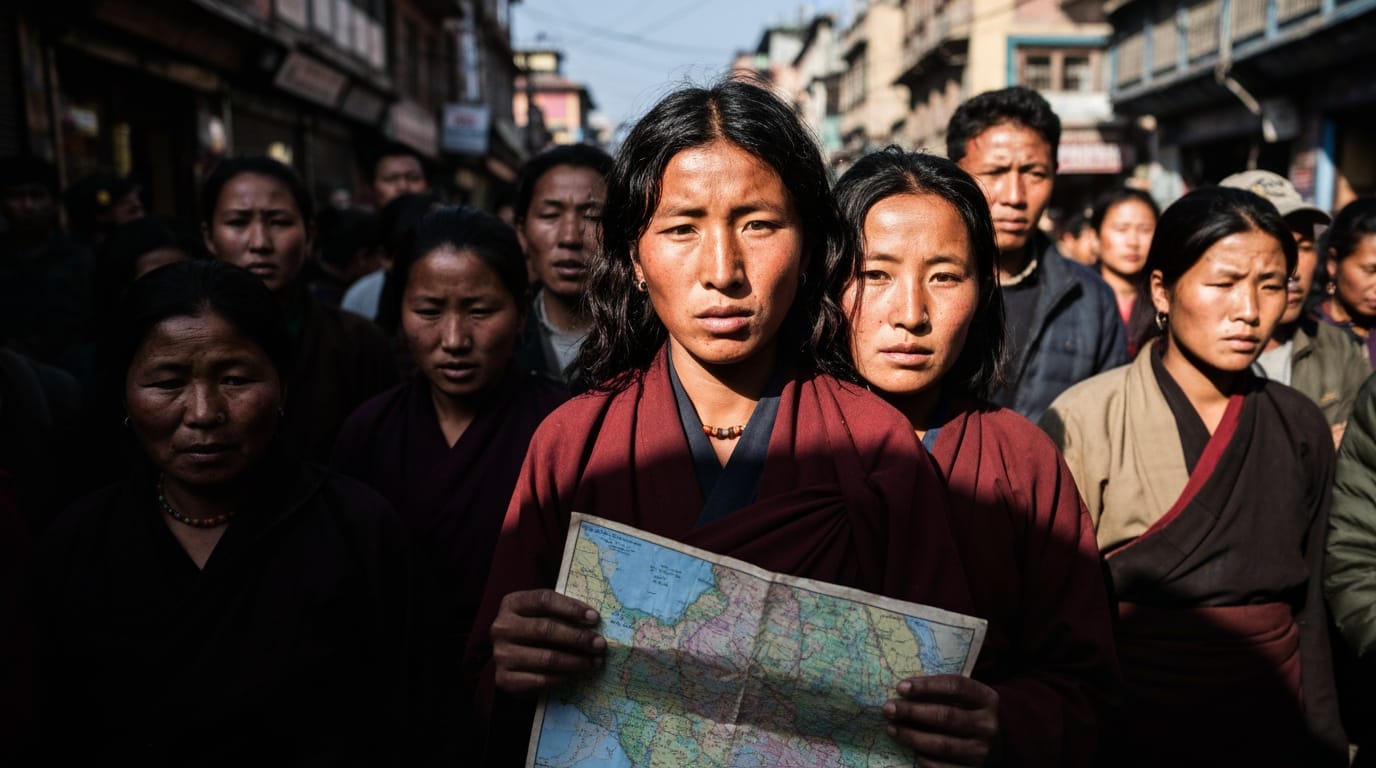
DHARAMSALA, India – A profound demographic shift is quietly unfolding within the global Tibetan exile community, signaling a deepening crisis for a people who have maintained a vibrant cultural and political identity despite decades of statelessness. The number of Tibetans in traditional exile strongholds, particularly in India, has plummeted dramatically in recent years, a decline driven by a confluence of Beijing's intensified border controls, outward migration to Western countries, and a dwindling birthrate within the diaspora. This exodus, starkly evident in dwindling school enrollments and aging populations, poses an existential threat to the Central Tibetan Administration (CTA) and its efforts to preserve a unique heritage, raising urgent questions about the future of Tibetan identity and the struggle for greater autonomy.
A Dwindling Diaspora: The Numbers Tell a Sobering Tale
For over six decades, India has served as the spiritual and administrative heart of the Tibetan diaspora, hosting His Holiness the Dalai Lama and hundreds of thousands of his followers who fled Tibet after the 1959 Chinese invasion. At its peak in the 1990s, the Tibetan refugee population across India, Nepal, and Bhutan reached approximately 150,000 individuals. However, recent figures reveal a precipitous drop. According to the Indian government, the Tibetan population in India, which stood at around 150,000 in 2011, had fallen to 85,000 by 2018. A 2019 census conducted by the Central Tibetan Relief Committee (CTRC) further indicated that by the end of 2020, only 72,312 Tibetans remained in India. Broader estimates by the CTA show the overall exile population in India, Nepal, and Bhutan shrinking from approximately 123,000 in 2007 to 102,000 in 2022. Projections suggest the Tibetan population in India could fall below 85,000 by 2025. This demographic contraction is also evident in the institutions central to the Tibetan cause. Enrollment in CTA-affiliated schools, critical for cultural transmission, decreased by 39 percent between 2000 and 2023, from approximately 25,700 to 15,700 students. Some schools, like the Upper Dharamsala Tibetan Children's Village (TCV), which once admitted 700-800 students annually from Tibet before 2008, welcomed no new arrivals from Tibet in 2024. This drastic decline underscores a community struggling to replenish its ranks and sustain its foundational institutions.
Beijing's Iron Curtain: Sealing Off the Escape Route
The primary catalyst for this demographic downturn is Beijing's relentless tightening of control over Tibet and its borders. Following widespread protests in 2008, China significantly intensified surveillance and militarization along the Himalayan frontier, effectively sealing off traditional escape routes. What was once a perilous but navigable journey across high mountain passes has become an almost insurmountable barrier. Annual arrivals of Tibetans fleeing their homeland into India, which once numbered around 3,000 before 2008, plummeted to approximately 100 by 2018, and in some years have been reported as low as 18. The dangers are immense, involving severe weather, patrolling soldiers, and the risk of prosecution for those caught attempting to flee. China's concerted efforts extend to confiscating passports and imposing travel restrictions within Tibet, particularly for areas near the border, further isolating the region. This comprehensive blockade serves Beijing's interest in preventing firsthand accounts of human rights abuses from reaching the international community and limits the influx of new, young individuals who have historically revitalized the exile community's cultural and political efforts. Even neighboring Nepal, a traditional transit point, has seen increased Chinese influence, making passage through its territory significantly more difficult for Tibetans.
Challenges in Exile: Economic Pressures and Shifting Demographics
Beyond China's external pressures, internal dynamics within the exile community itself contribute to the shrinking numbers. A significant factor is the increasing migration of Tibetans, particularly younger generations, to Western countries such as the United States, Canada, Germany, and Switzerland. This "secondary exile" is often driven by the pursuit of better economic opportunities, higher education, and more stable legal statuses not always available in India. By 2020, roughly half of the total Tibetan population in exile resided outside South Asia, a stark shift from earlier decades.
Adding to this complex picture are challenges faced by Tibetans within India. Despite India's long-standing humanitarian support, Tibetans are often classified as "foreigners" rather than "refugees," as India is not a signatory to the 1951 UN Refugee Convention. This classification has historically limited access to government jobs, property ownership, and bank credit, creating economic precarity for many. While the Indian government introduced the Tibetan Rehabilitation Policy in 2014 to provide more uniform guidelines and benefits, many younger Tibetans born in India after 1989 face stricter limitations on citizenship eligibility. Furthermore, the birthrate within the exile community in India has seen a notable decline. In 2022, there were approximately 4.4 live births per 1,000 Tibetans in India, Nepal, and Bhutan, significantly lower than the rates in India and China. This low birthrate, coupled with factors like compact family planning and rising living costs, further exacerbates the demographic challenges.
The Future of a Culture: Preserving an Identity in Peril
The dramatic decline in new arrivals from Tibet and the outward migration to the West have profound implications for the preservation of Tibetan culture, language, and the long-term viability of the CTA. The "hollowing out" of traditional settlements and institutions, including schools and monasteries, threatens the very fabric of the exile community. With an aging population and fewer young people to sustain its institutions, there is a palpable risk of demographic collapse. The diminishing pool of human resources impacts the vitality of cultural and religious centers that have thrived for decades.
This situation takes on added significance with the advancing age of His Holiness the 14th Dalai Lama, who will turn 89 in 2024. His leadership has been a unifying force and a beacon for the Tibetan people worldwide, and his eventual succession remains a critical concern for the community's future. While the Dalai Lama has expressed that living in exile has allowed him to connect globally and spread the message of Buddhism, the tangible challenges facing the physical community he leads are undeniable. The Central Tibetan Administration continues its efforts to advocate for the rights and aspirations of Tibetans, but the shrinking numbers within its traditional base complicate its mission. The ability of the Tibetan people to maintain their distinct identity and continue their non-violent struggle for self-determination hinges on their capacity to address these severe demographic pressures and ensure the cultural and institutional longevity of their community in exile.


