The Silent Scourge: How Mercury from Coal Plants Threatens Lives and Futures
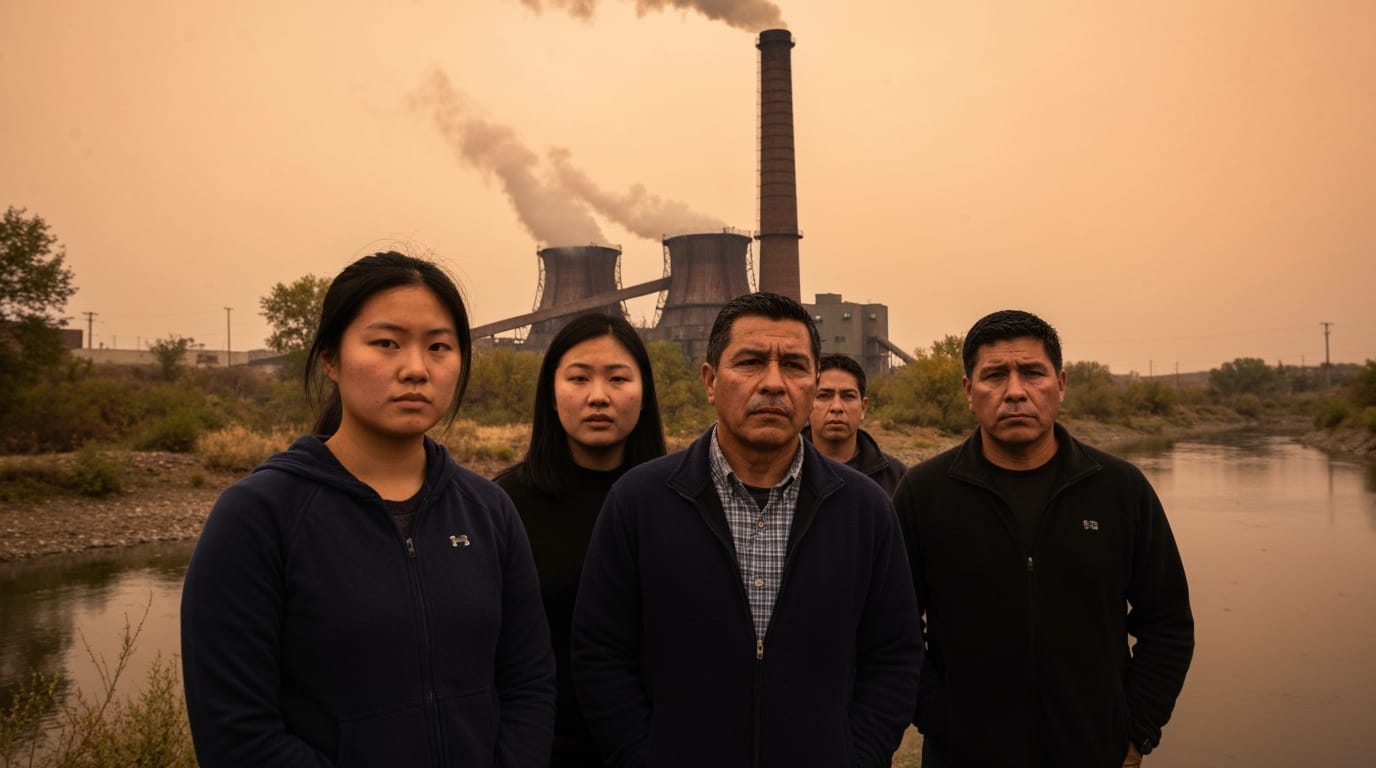
The combustion of coal in power plants, a cornerstone of global energy production for generations, releases a potent and insidious neurotoxin: mercury. This heavy metal, once airborne, embarks on a complex journey that ultimately infiltrates ecosystems worldwide, bioaccumulating in the food chain and posing profound risks to human health, particularly for the most vulnerable among us. From developmental disorders in children to increased risks of heart disease in adults, the far-reaching consequences of mercury pollution from coal-fired power plants represent a significant, often invisible, public health crisis with devastating human and economic costs.
The Invisible Threat: Mercury's Perilous Journey
Mercury, a naturally occurring element, is present in coal deposits. When coal is burned for electricity, this mercury is released into the atmosphere as a gas. Once aloft, it can travel hundreds or even thousands of miles from its source, eventually settling back to Earth in rain, snow, or dry deposition. This deposited mercury then enters aquatic environments, such as lakes, rivers, and oceans, where a critical and dangerous transformation occurs. Bacteria in sediments convert inorganic mercury into methylmercury, its most toxic form. Methylmercury is readily absorbed by small aquatic organisms and then moves up the food web, a process known as bioaccumulation and biomagnification. Each step up the food chain, from plankton to small fish, and then to larger predatory fish, results in increasingly concentrated levels of methylmercury in their tissues. Consequently, apex predators like tuna, swordfish, and sharks often contain the highest levels of mercury, sometimes exceeding a million times the concentration found in the surrounding water. Every single fish sample collected from U.S. waters has detectable levels of mercury, leading all fifty states to issue fish consumption advisories.
A Silent Scourge: Health Impacts Across the Lifespan
The primary pathway for human exposure to methylmercury is through the consumption of contaminated fish and shellfish. Once ingested, methylmercury is efficiently absorbed into the body and can cross the blood-brain and placental barriers, making it particularly dangerous for pregnant women and developing fetuses. Fetal exposure to methylmercury can lead to severe and irreversible neurodevelopmental damage. Impacts include impaired cognitive thinking, memory loss, attention deficits, language and fine motor skill problems, and visual-spatial skill impairments. At higher concentrations, it can cause mental retardation, cerebral palsy, deafness, blindness, and even death. Studies have indicated that even low-level prenatal exposure can lead to a measurable loss of IQ points. Disturbingly, research suggests that one in every six women of childbearing age in the United States may have blood mercury concentrations high enough to potentially harm a developing fetus, placing hundreds of thousands of babies at risk annually. There is no known safe level of mercury exposure, and its effects can be observed even at very low concentrations.
While children are uniquely vulnerable, mercury exposure is not without consequences for adults. It has been linked to cardiovascular disease, including an increased risk of fatal heart attacks, as well as kidney damage, neurological disorders, and compromised immune function. The effects extend beyond humans, impacting wildlife with reproductive and neurological problems, leading to behavioral abnormalities, decreased spawning success in fish, and impaired hunting abilities in mammals.
The Global Web of Contamination and Economic Burden
Coal-fired power plants have historically been the largest anthropogenic source of mercury pollution in the United States, once accounting for half of all man-made mercury emissions in the country. Though domestic emissions have seen significant reductions, mercury's ability to travel globally means that emissions from other countries contribute to pollution far from their source. In 2017 alone, US coal-fired power plants were responsible for approximately 8,800 pounds of mercury emissions. Globally, past and present human activities have increased atmospheric mercury concentrations by about 450% above natural levels.
The health consequences of mercury pollution translate into substantial economic costs. The loss of intelligence and associated diminished economic productivity in children, stemming from prenatal methylmercury exposure, represents a major financial burden. In the United States, these neurocognitive issues alone were estimated to cost approximately $4.8 billion annually as of 2017. Some analyses suggest that the total lost productivity from methylmercury toxicity could amount to billions of dollars annually, with a significant portion attributable to emissions from power plants. These costs encompass healthcare expenses, special education needs, and lost earning potential over a lifetime.
Regulatory Responses and the Path Forward
Recognizing the severe public health threat, regulatory bodies and international agreements have aimed to curb mercury emissions. In the United States, the Mercury and Air Toxics Standards (MATS), established in 2012, significantly reduced mercury and other hazardous air pollutant emissions from power plants. These standards led to a 90% reduction in atmospheric mercury deposition from U.S. power plants between 2010 and 2020. However, recent discussions have centered on potential rollbacks of these crucial regulations, with public health groups warning of increased health-related costs and harm to vulnerable populations.
On a global scale, the Minamata Convention on Mercury, adopted in 2013 and named after a tragic mercury poisoning incident in Japan, is an international treaty designed to protect human health and the environment from anthropogenic mercury emissions and releases. The Convention mandates actions across the entire lifecycle of mercury, including controlling emissions from coal-fired power plants. While the Convention does not specify quantitative emission limits for coal plants, it requires parties to "control, and where feasible, reduce" emissions using best available techniques and environmental practices. Ongoing monitoring and stricter controls, particularly for facilities burning lignite coal, which is especially high-polluting, are identified as critical steps to further mitigate risks.
A Call for Continued Vigilance
The pervasive nature of mercury pollution, its journey from smokestacks to our dinner plates, and its profound impact on human development and health underscore the urgent need for continued vigilance. While significant progress has been made through regulations like MATS and international cooperation via the Minamata Convention, the threat persists. The long-term health and economic well-being of societies depend on robust policies, technological advancements, and a sustained global commitment to transitioning to cleaner energy sources. Protecting future generations from the silent scourge of mercury requires not just awareness, but decisive and collective action to eliminate this persistent environmental and public health hazard.