The United Kingdom's Fragile Unity: A Union Under Strain
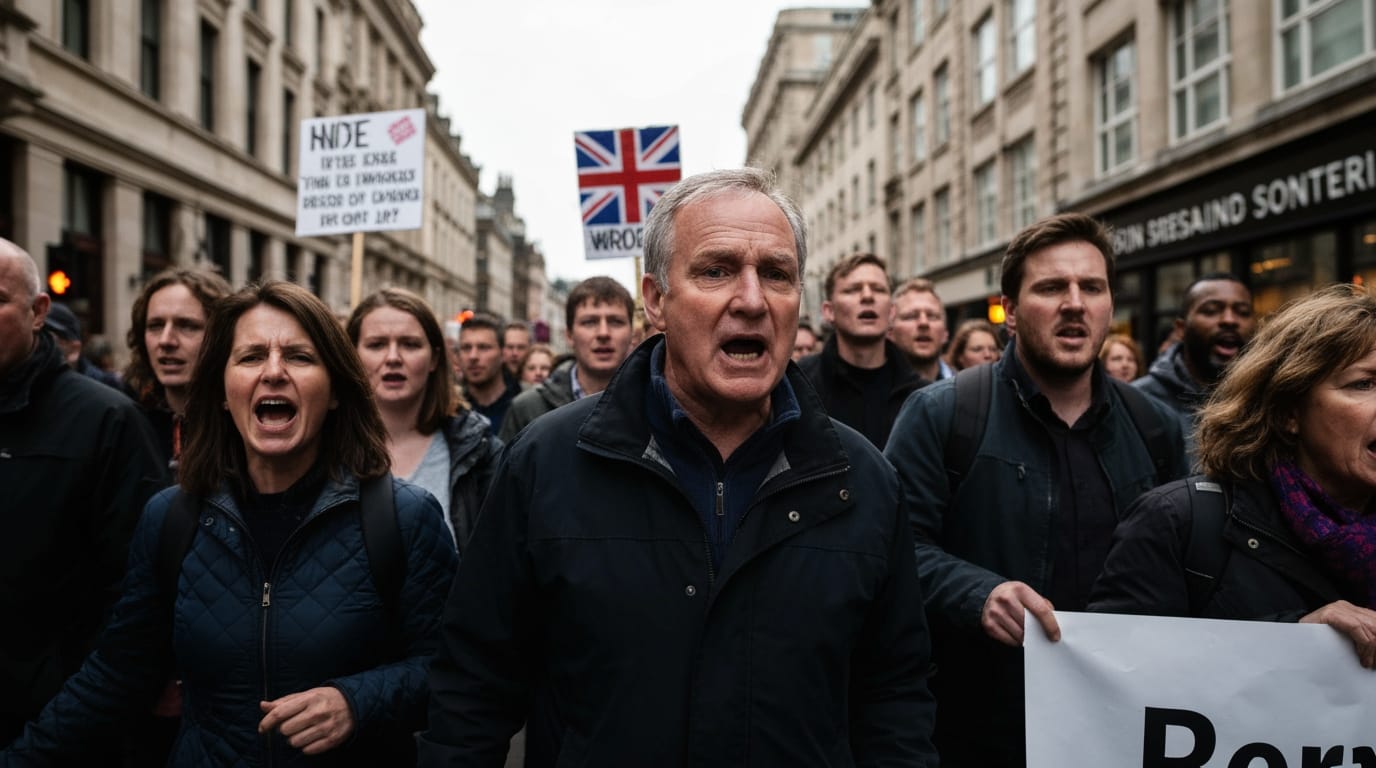
The United Kingdom, a political union forged over centuries, finds itself at a pivotal juncture, grappling with internal centrifugal forces that challenge its very existence. Decades of devolution, coupled with the profound constitutional and economic shifts brought about by Brexit, have intensified calls for independence in Scotland and fueled growing discussions of a united Ireland, raising serious questions about the long-term viability of the Union. What was once considered an unshakeable bond now appears increasingly vulnerable, with significant debate expected to persist into the 2030s regarding the UK's territorial future.
Scotland's Enduring Independence Ambition
Scotland's relationship with the United Kingdom has been a recurring theme in the discussions surrounding the Union's future. The 2014 independence referendum saw 55.3% vote to remain part of the UK against 44.7% for independence. However, the landscape shifted dramatically with the 2016 Brexit referendum, where 62% of Scottish voters chose to remain in the European Union, in stark contrast to the overall UK decision to leave. This divergence reignited the Scottish independence movement, with proponents arguing that Brexit was imposed upon Scotland and undermined its democratic will.
Since Brexit, the Scottish National Party (SNP) has consistently advocated for a second independence referendum, emphasizing Scotland's desire to rejoin the EU as an independent nation. Polling data reveals a persistent division, with nearly half of Scottish voters consistently expressing support for independence. Some surveys even suggest that almost two-thirds of Scots believe the UK will dissolve within a decade. Arguments for independence frequently highlight the potential for Scotland to gain full control over its taxation and spending policies, re-establish economic ties with the EU, and strategically leverage its vast renewable energy potential. Conversely, critics of independence point to the potential economic disruption, including concerns about currency arrangements and the historically weaker economic performance of Scotland compared to the broader UK. A significant legal hurdle emerged in 2022 when the UK Supreme Court ruled that the Scottish Parliament lacks the authority to legislate for a second independence referendum without the consent of the UK Parliament. Despite this, the SNP continues to pursue pathways towards another vote, underscoring the ongoing constitutional tension.
Northern Ireland: A United Ireland on the Horizon?
Northern Ireland's unique position, particularly its land border with the Republic of Ireland, has made it a central and contentious issue in the post-Brexit era. Like Scotland, Northern Ireland voted to remain in the EU, with 55.8% opting against Brexit. The subsequent Northern Ireland Protocol, designed to avoid a hard border on the island of Ireland, established a de facto customs border in the Irish Sea, effectively creating regulatory distinctions between Northern Ireland and Great Britain. This arrangement has been a significant source of contention for Unionists, who view it as undermining Northern Ireland's integral place within the United Kingdom and disrupting trade flows with the rest of Great Britain.
The Good Friday Agreement, a cornerstone of peace in Northern Ireland, includes provisions for a "border poll" on Irish unification if it appears likely that a majority would vote in favor. Recent polling indicates a growing sentiment for a united Ireland, particularly among younger generations. Some all-island polls suggest a majority of people across the island of Ireland would support unification as part of the EU. The rise of Sinn Féin, a party advocating for a united Ireland, as a leading political force in Northern Ireland further highlights the shifting political landscape and the increasing prominence of the unity question. While political leaders from the Republic of Ireland have suggested a referendum should not be rushed, the underlying demographic and political shifts suggest that the question of Irish unity will remain a significant feature of the UK's constitutional debate.
Wales's Evolving Devolution and National Identity
While the calls for independence in Wales are not as pronounced as in Scotland, the principality has also seen a strengthening of its distinct national identity and a continuous expansion of its devolved powers since the late 20th century. In the 2016 Brexit referendum, Wales voted to leave the EU by a margin of 52.5% to 47.5%. Despite this, the impact of Brexit and the centralizing tendencies often perceived from Westminster have led some to argue that Wales too is being pushed towards greater autonomy or even independence.
Support for Welsh independence, while historically lower than in Scotland, has reached notable levels, with some polls showing 35% backing independence. Devolution has enabled Wales to enact distinct policies in areas such as healthcare, education, and the promotion of the Welsh language, fostering a sense of self-governance and a unique national direction. The ongoing evolution of Welsh devolution and the increasing confidence in its institutions indicate a growing desire for self-determination within the Union, even if outright independence is not currently the dominant political aspiration.
The Broader Fabric of the Union
Beyond the specific national aspirations of Scotland, Northern Ireland, and Wales, broader economic and political pressures contribute to the overall fragility of the United Kingdom. Brexit, in particular, has been identified as a critical catalyst, exposing existing fault lines and exacerbating constitutional strains. The UK's constitutional framework is notably unique among advanced democracies for "willingly contemplating its own break-up," indicating an inherent flexibility that also reflects its potential for fragmentation.
The approach from Westminster and the perceived growth of English nationalism have also been cited as contributing factors to the disunity. While the UK government has often sought to strengthen the Union through various initiatives and funding allocations, critics argue that a more "muscular" or centralized approach to governance risks alienating the devolved nations. The turbulence of the past decade, including multiple changes in leadership, has also created a sense of instability that further fuels questions about the Union's future.
A Future of Uncertainty
The United Kingdom finds itself navigating a complex constitutional landscape, where the pressures for separation are real and multifaceted. While immediate secession may not be imminent for any of its constituent nations, the underlying forces at play suggest a future marked by continued debate and potential shifts in its territorial composition. The legacy of Brexit, coupled with enduring national identities and evolving political dynamics in Scotland, Northern Ireland, and Wales, ensures that the question of the UK's unity will remain a defining feature of British politics for the foreseeable future. The path ahead requires delicate political management and a willingness to address the distinct aspirations of its nations, lest the bonds that have held the Union together for centuries begin to unravel.


