The Unseen Threat: Why Tyrants Tremble Before Artists, According to Salman Rushdie
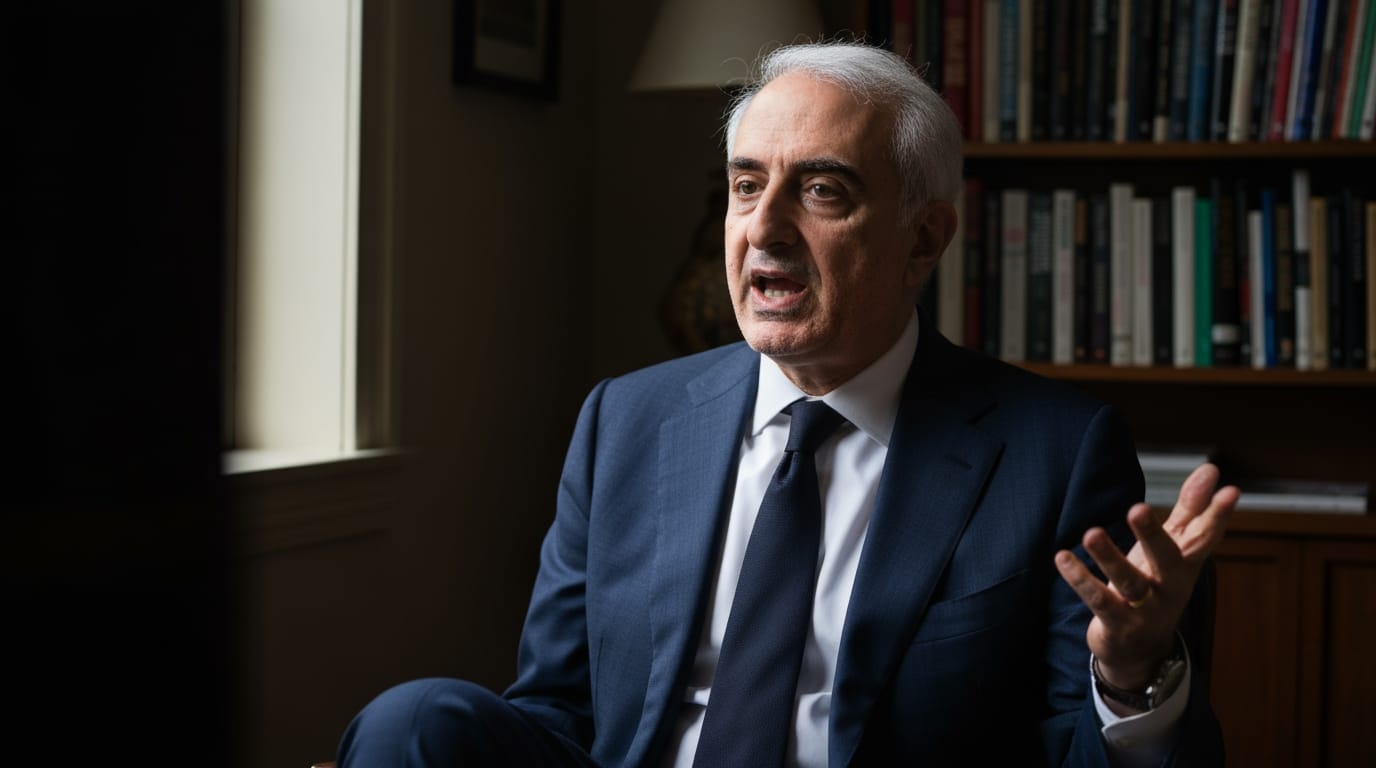
In a world increasingly grappling with authoritarian impulses and challenges to fundamental liberties, acclaimed author Salman Rushdie consistently articulates a profound and often perilous truth: tyrants fear artists not for their physical might, but for the inherent, untameable power of their creations. Rooted in his own experiences of profound threat and resilience, Rushdie posits that art, by its very nature, challenges established narratives, pursues truth, and ultimately outlasts the fleeting grip of oppressive regimes, making it an existential adversary to those who seek absolute control.
Rushdie's perspective is not born of abstract theory but forged in the crucible of a life profoundly impacted by the very forces he describes. His literary works, particularly The Satanic Verses, triggered an infamous fatwa in 1989, forcing him into hiding for years and culminating in a brutal stabbing attack in 2022 that left him blind in one eye. Yet, through these trials, his voice has only grown stronger, becoming a powerful advocate for freedom of expression and a clear-eyed analyst of artistic defiance against authoritarianism. His insights offer a critical understanding of the psychological battlefield where creativity confronts suppression, highlighting why the imagination, seemingly fragile, proves to be tyranny’s most formidable foe.
The Inherent Challenge to Narrative Control
At the heart of Rushdie's argument lies the understanding that tyrants fundamentally seek to control the narrative. They thrive on uniformity of thought, official dogma, and a carefully constructed version of reality that legitimizes their power. Art, especially literature, instinctively works against this. Rushdie emphasizes that literature's role is to revise, reconfigure, and challenge these official narratives, disrupting the monolithic stories power attempts to impose.
While despots propagate lies as a means to disguise truth, artistic expression, by its very essence, tends toward a relationship with truth. This fundamental opposition renders artists and writers direct adversaries to dictators. The act of simply responding to the world within a book can ignite political conflict, precisely because some in power resist having the world described in ways that deviate from their preferred versions. Art’s capacity to present alternative realities, question accepted doctrines, and explore the complexities of the human condition is a direct affront to regimes that demand unquestioning adherence and intellectual subservience. This power of art to articulate a different "truth" is what makes it so dangerous to those whose authority rests on a singular, unchallenged interpretation of reality.
Art's Immortality Versus Tyranny's Fleeting Reign
Perhaps the most potent aspect of art's threat to tyranny, as articulated by Rushdie, is its enduring nature. He frequently asserts that authoritarian regimes may control the present, but artists, through their work, control the future. Art possesses an immense power to outlast tyranny. This concept is powerfully encapsulated in his observation, "Today Francoism no longer exists, but Lorca is immortal." The political apparatus and oppressive machinery of General Franco's Spain have faded into history, but the poetry of Federico García Lorca, a victim of that regime, continues to resonate globally, ensuring that the human spirit it captured endures.
This longevity makes art an existential threat. Tyrants, despite their immense power, are ultimately transient. Their reigns end, their statues fall, and their ideologies crumble. Art, however, creates a lasting record, a cultural memory that transcends generations. It tells the story of an age, often from perspectives that power tried to silence, ensuring that future generations can learn, question, and imagine beyond the confines of past oppression. This ability of art to transcend its immediate context and speak across time is precisely why regimes invest so much energy in censorship, book burnings, and the persecution of artists – they instinctively recognize that art is a force for immortality that mocks their temporary dominance.
The Personal Cost and Global Stakes
Rushdie’s philosophical insights into art and tyranny are tragically underscored by his own life. The 1989 fatwa issued against him following the publication of The Satanic Verses transformed him into a symbol of the struggle for free expression. More recently, the brutal stabbing in 2022 served as a stark reminder that the battle between artistic freedom and oppressive ideologies remains fiercely current. Despite these personal attacks, Rushdie has consistently refused to be silenced, viewing his continued creative output as a form of resistance, a way "to answer violence with art." His memoir, Knife: Meditations After an Attempted Murder, is a testament to this unwavering commitment.
His advocacy extends beyond his personal plight, encompassing a broader concern for the global state of free speech. Rushdie frequently warns that freedom of expression, particularly in Western countries, faces its most severe threat in his lifetime. He points to concerning trends such as attacks on libraries and books for children in schools as alarming manifestations of this threat. In his view, the unconditional defense of free expression is paramount, not just for artists, but for the health of democratic societies. He cautions against self-censorship, particularly among younger writers, highlighting a contemporary danger where pressures from various sides lead to a chilling effect on creative exploration.
The Artist's Unwavering Role and Enduring Optimism
Amidst these dire warnings and personal sacrifices, Rushdie maintains a remarkable sense of optimism. He firmly believes that art can, and must, challenge and resist oppressive forces. He sees artists as the "troops of the defense" of culture, with a crucial responsibility to continue their work to shape the culture of the country. Even in the face of global despair and threats, Rushdie encourages a dialogue about the significance of artistic expression and remains hopeful about its power.
This optimism stems from the profound conviction that human creativity is an indomitable force. For Rushdie, the artist's role is not just to reflect the world but to imagine and construct new worlds, new possibilities, and new understandings. This act of creation, inherently an act of freedom, is something that no tyrant, no matter how powerful, can truly extinguish. By continuing to write, to paint, to compose, to perform, artists actively engage in an ongoing act of defiance, reaffirming the human capacity for thought, feeling, and expression against all attempts to suppress it.
Conclusion: The Enduring Battle for the Imagination
Salman Rushdie's life and work serve as a powerful testament to the enduring battle between art and tyranny. His experiences illuminate why oppressive regimes instinctively recoil from artists: they are not just storytellers but custodians of truth, architects of memory, and purveyors of alternative narratives. Art, with its boundless capacity for questioning and imagining, fundamentally undermines the control that tyrants desperately seek to impose. It represents a future beyond their grasp, a legacy that will outlast their temporal authority.
In an era where challenges to intellectual freedom and attempts to manipulate public discourse are increasingly prevalent, Rushdie’s insights underscore the critical importance of defending artistic expression without compromise. The ongoing vitality of art, despite continuous threats, offers a powerful message: while the present may be contested by those in power, the future, shaped by the enduring impact of creative work, belongs to the artists and to the imagination they champion. The fight for freedom of expression, as personified by Rushdie’s resilience, remains a vital front in the broader struggle for human liberty, reminding us that an attack on art is, ultimately, an assault on our collective future.