Toxic Gas Suspected in Tragic Istanbul Hotel Deaths, Prompting Urgent Safety Review
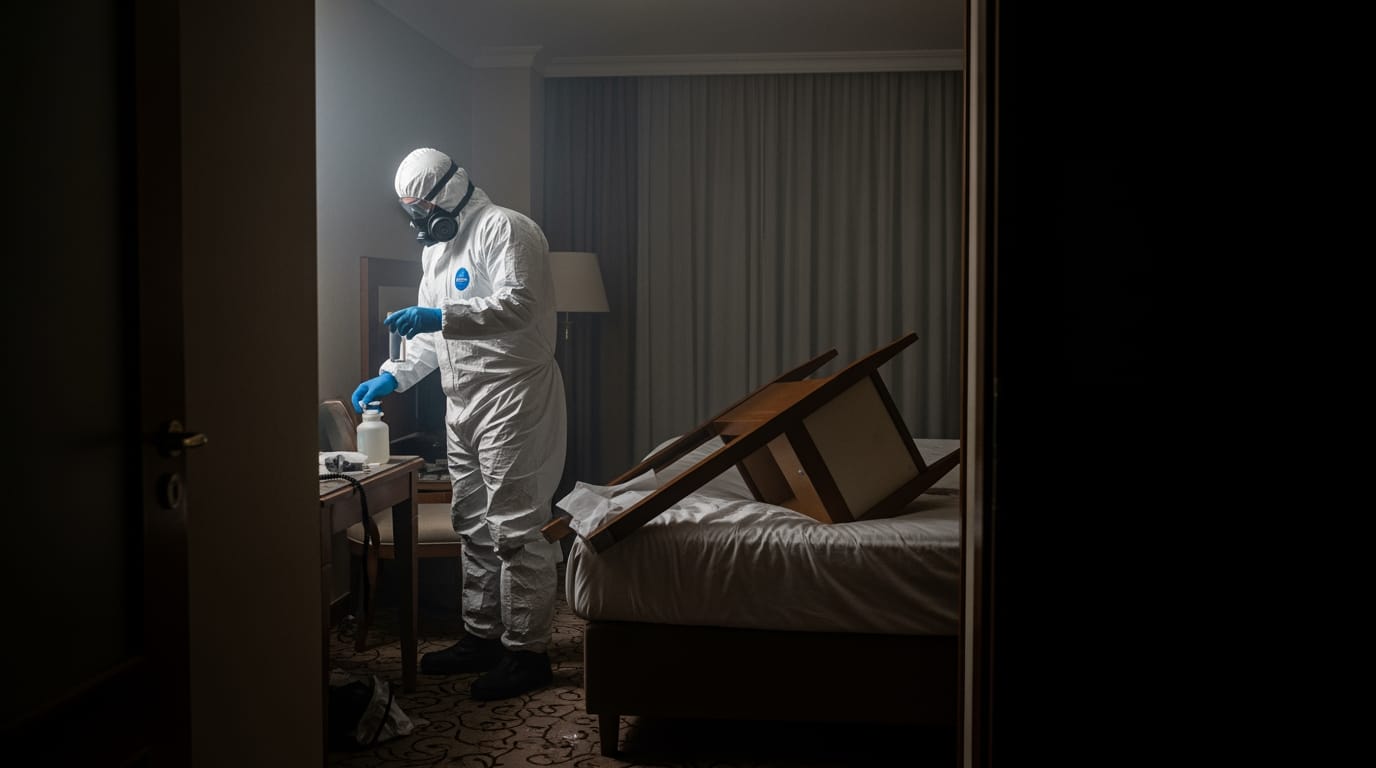
Istanbul, Turkey – A holiday in Istanbul tragically ended in the deaths of a German-Turkish family of four, with preliminary investigations now pointing overwhelmingly to poisoning by highly toxic phosphine gas. The heartbreaking incident, which unfolded in mid-November, has cast a somber shadow over hotel safety standards and ignited calls for more stringent oversight of dangerous pesticides in tourist accommodations across Turkey.
The Bocek family, comprising parents Cigdem and Servet, and their young children Kadir Muhammet, 6, and Masal, 3, had arrived in Istanbul on November 9, 2025, for a vacation. Their stay at the Harbour Suites Old City hotel in the Fatih district quickly turned dire when all four family members suddenly fell ill. What was initially suspected to be food poisoning, prompting a visit to a hospital before they returned to their hotel room, escalated rapidly, leading to their subsequent deaths over several days.
A Vacation Turns to Tragedy
The first signs of distress emerged on November 12, 2025, when the family experienced severe nausea, vomiting, and diarrhea. These symptoms, common to gastrointestinal infections, initially led medical professionals to consider food poisoning. After seeking initial treatment, the family returned to their hotel, only to suffer a more severe relapse the following day. On November 13, the two children, Kadir Muhammet and Masal, succumbed to their illness. Their mother, Cigdem, died on November 14, followed by their father, Servet, on November 17, completing the tragic loss of the entire family. The rapid deterioration of their health and the unusual cluster of deaths in one family quickly prompted a thorough investigation, shifting focus from foodborne illness to a more sinister cause within their immediate environment.
Investigation Uncovers Deadly Toxin
As authorities delved into the circumstances surrounding the deaths, the possibility of chemical poisoning emerged as a primary line of inquiry. Preliminary autopsy reports, cited by Turkey's state-run Anadolu Agency and other local media outlets, definitively ruled out food poisoning. Instead, forensic analyses revealed a strong presence of phosphine gas, an insecticide metabolite, on towels, masks, and various swab samples collected from the family's hotel room. This evidence strongly suggests that the family was exposed to the toxic gas, likely as a result of a pest control treatment carried out within the hotel. Investigators believe the phosphine gas may have seeped into the family’s room, possibly through the ventilation system, after being deployed to combat a bedbug infestation in the hotel. Following these findings, the hotel in question has been closed, and Turkish authorities have arrested 11 individuals in connection with the case. Those detained reportedly include the hotel owner, several staff members, and pest control workers, indicating a broad scope of accountability in the ongoing investigation.
The Peril of Phosphine Gas
Phosphine gas (PH3) is an extremely dangerous chemical derived from metallic phosphides, such as aluminum phosphide (AlP), which are widely used as pesticides. When AlP comes into contact with moisture in the air or stomach acids, it reacts to release phosphine gas. This colorless gas, often described as having a fish or garlic-like odor in impure forms, is highly effective against a wide range of pests, including rodents and insects, making it a common choice for agricultural fumigation. However, its potency also makes it profoundly toxic to humans and animals.
Exposure to phosphine gas disrupts cellular functions by inhibiting cytochrome oxidase and interfering with oxygen utilization, primarily affecting organs with high oxygen requirements like the brain, heart, kidneys, and liver. The initial symptoms of phosphine poisoning can be insidious and non-specific, often mimicking less severe ailments like food poisoning. Victims may experience nausea, vomiting, diarrhea, dizziness, headaches, chest tightness, and breathlessness. In more severe cases, exposure can lead to respiratory distress, pulmonary edema, cardiovascular collapse, seizures, coma, and ultimately death. A critical challenge in managing phosphine toxicity is the absence of a specific antidote; treatment is primarily supportive, focusing on managing symptoms and maintaining vital organ functions. This characteristic of phosphine poisoning makes early and accurate diagnosis difficult, often delaying effective intervention and contributing to its high fatality rate.
Broader Implications for Safety and Regulation
The Istanbul tragedy underscores the critical need for strict regulation and responsible application of highly toxic chemicals like phosphine, particularly in public spaces such as hotels. Experts note that phosphine fumigation requires stringent safety protocols, including well-sealed enclosures, specific temperature and humidity conditions, and trained personnel, to ensure the gas dissipates completely and safely. The accidental nature of the deaths in Istanbul highlights potential negligence in adhering to these safety measures, raising serious questions about current pest control practices in the hospitality sector.
This is not an isolated incident. Accidental phosphine gas poisonings have been reported globally, often linked to the misuse of agricultural pesticides in non-agricultural settings. Previous cases include a 2012 incident in Thailand where two Canadian sisters died, and other fatalities in North America and the Dominican Republic, all attributed to phosphine gas exposure from pest control activities. In Turkey itself, there have been earlier reports of deaths due to aluminum phosphide misuse, including a case in 2023 linked to bedbug control. These recurring tragedies emphasize a systemic vulnerability and the urgent need for a comprehensive review of regulations, enforcement mechanisms, and training for pest control operators, especially those working in environments frequented by the public. Turkish President Recep Tayyip Erdogan has affirmed that security forces and prosecutors will conduct the necessary investigations to determine the causes and ensure accountability.
A Call for Accountability and Enhanced Vigilance
The deaths of the Bocek family serve as a stark reminder of the devastating consequences when powerful chemicals are mishandled. While the final forensic reports are still pending, the strong evidence pointing to phosphine gas poisoning necessitates immediate action to prevent future occurrences. The ongoing investigation seeks to establish accountability for the negligence that led to such a profound loss of life. Beyond the immediate legal repercussions for those involved, this tragedy demands a re-evaluation of safety protocols, licensing for pest control operations, and public awareness regarding the dangers associated with industrial-grade fumigants. The hope remains that from this heartbreaking event will emerge strengthened regulations and an unwavering commitment to guest safety, ensuring that no other family suffers a similar fate while seeking rest and relaxation.