Toxic Haze Chokes Kathmandu, Ranking it Among World's Most Polluted Capitals
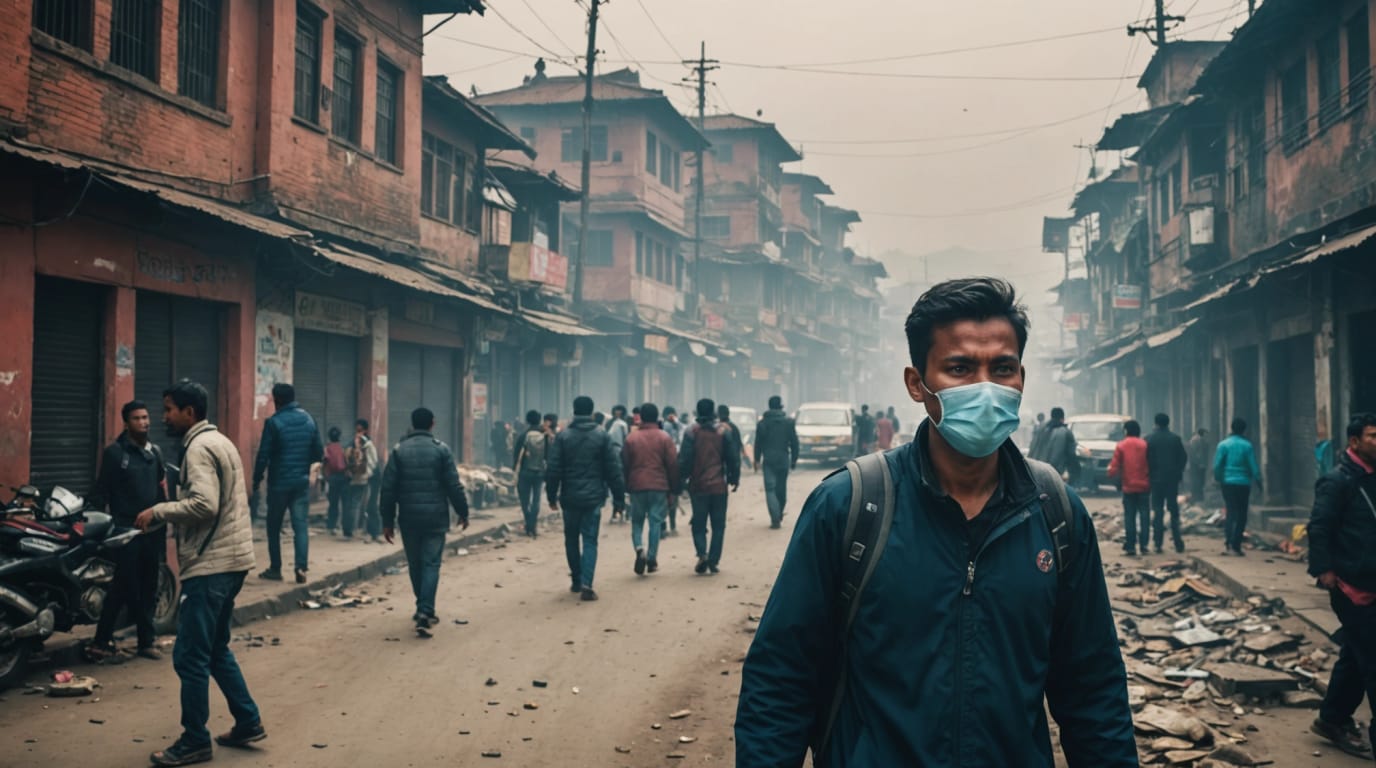
Kathmandu, Nepal – A thick, toxic haze has enveloped Kathmandu Valley, pushing air quality to hazardous levels and disrupting daily life for its millions of residents. The city, once famed for its stunning views of the Himalayas, now struggles under a blanket of smog, prompting health warnings and school closures.
A City Under Smog
For days, Kathmandu has been shrouded in a grey haze, with the sun appearing as an eerie red orb through the smog. The Air Quality Index (AQI) has consistently remained above 200, frequently exceeding 300, levels considered "very unhealthy" to "hazardous." On April 3rd, 2025, Kathmandu's average AQI reached 348, with some areas surpassing 400, according to IQ Air, a Swiss-based platform that aggregates air pollution data. This consistently places Kathmandu among the most polluted cities in the world. While the AQI has fluctuated, real-time data as of April 12, 2025, indicates a "moderate" AQI of 83, suggesting some improvement, but the underlying issues persist.
The current crisis stems from a combination of factors, including a prolonged lack of rainfall, widespread forest fires in the surrounding regions, vehicle emissions, and the city's unique topography. Kathmandu Valley is shaped like a bowl, trapping pollutants and preventing their dispersal. This geographical feature, while picturesque, exacerbates the accumulation of dust and smoke, especially during periods of stagnant air. The valley is surrounded by mountains ranging from 2,000 to 2,800 meters, restricting wind movement and retaining pollutants.
Sources of the Crisis
Several sources contribute to Kathmandu's air pollution woes.
- Vehicular Emissions: The rapid increase in vehicles, many of which are old and poorly maintained, is a major culprit. Kathmandu's narrow, congested streets and inadequate public transportation infrastructure contribute to the problem. Vehicle emissions account for a significant portion of the total PM10 emissions in the valley.
- Construction and Dust: Kathmandu is experiencing a construction boom, generating large amounts of dust particles that remain suspended in the air. A lack of proper dust control measures at construction sites further worsens the situation.
- Industrial Activities: Brick kilns and factories operating without adequate pollution control measures release high levels of pollutants into the atmosphere, including sulfur dioxide, nitrogen oxides, and particulate matter.
- Household Pollution: Burning biomass fuels, such as wood, agricultural residues, and animal dung, for cooking and heating is still a prevalent practice, especially in lower income households. This releases carbon monoxide, particulate matter, and other harmful gases.
- Forest Fires: Widespread forest fires in Nepal and neighboring regions contribute significantly to the haze, with smoke particles carried into the Kathmandu Valley.
Health Impacts and Public Response
The toxic air poses severe health risks to Kathmandu's residents. Exposure to such high levels of air pollution can cause a range of health problems, including respiratory infections, asthma, bronchitis, eye irritation, throat infections, and skin conditions. Long-term exposure increases the risk of heart disease, stroke, lung cancer, and other chronic illnesses. Children, the elderly, pregnant women, and those with pre-existing respiratory conditions are particularly vulnerable.
Hospitals in Kathmandu have reported a surge in patients with respiratory problems. Emergency cases have increased significantly, straining the healthcare system. The government has issued public warnings, urging residents to stay indoors and take preventive measures. Some schools have temporarily shut down to protect children from the hazardous air quality.
Mitigation Efforts and Long-Term Solutions
Addressing Kathmandu's air pollution crisis requires a multi-faceted approach with both immediate and long-term solutions.
- Stricter Emission Standards: Enforcing stricter vehicle emission standards and promoting the use of electric vehicles can significantly reduce pollution from the transportation sector. The government has a National Plan for Electric Mobility, aiming to increase the share of electric vehicles.
- Dust Control Measures: Implementing and enforcing dust control measures at construction sites and along roads can help minimize dust pollution.
- Regulation of Industrial Emissions: Enforcing stricter regulations on industrial emissions and promoting cleaner technologies in brick kilns and factories is crucial.
- Promotion of Clean Energy: Encouraging the use of cleaner cooking and heating fuels can reduce household air pollution.
- Expansion of Green Spaces: Increasing green spaces within the city can help absorb pollutants and improve air quality. Bangkok, for example, has launched a "Green Bangkok 2030" project to increase green space and reduce air pollution.
- Public Awareness Campaigns: Raising public awareness about the sources and health impacts of air pollution can encourage individuals to take action to reduce their contribution to the problem.
- Regional Cooperation: Addressing transboundary pollution requires regional cooperation with neighboring countries to control emissions and mitigate the impact of forest fires.
The Nepalese government approved an Air Quality Management Action Plan for Kathmandu Valley in February 2020, outlining strategies to improve air quality. The plan addresses pollution from transportation, industry, construction, and waste management, and emphasizes the importance of public awareness.
A Breath of Hope?
Kathmandu's air pollution crisis is a complex challenge with far-reaching consequences. While the current situation is alarming, it also presents an opportunity for the government, local communities, and international organizations to work together to implement effective solutions. By addressing the root causes of pollution and promoting sustainable practices, Kathmandu can once again become a city where its residents can breathe clean air and enjoy the majestic views of the Himalayas. The recent "moderate" AQI readings offer a glimmer of hope, but sustained effort and commitment are essential to ensure a healthy and sustainable future for Kathmandu.


