Tragedy Strikes English Channel: Four Migrants Perish in Latest Dinghy Disaster
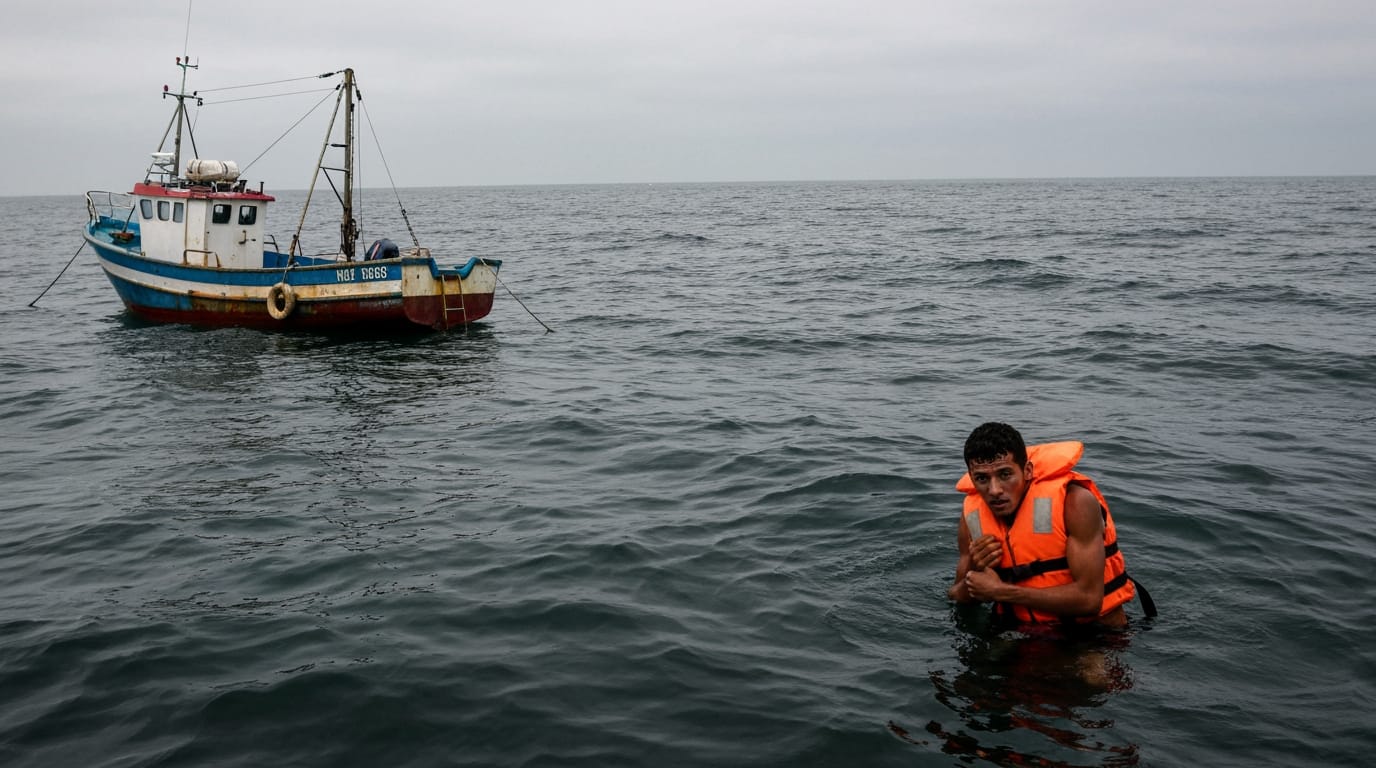
Four individuals tragically lost their lives Thursday morning as a migrant dinghy sank off the French coast of Pas-de-Calais, marking another somber chapter in the perilous attempts to cross the English Channel. The incident, which occurred near Equihen-Plage, saw French emergency services scramble to rescue dozens of others from the frigid waters, highlighting the desperate measures taken by migrants and the inherent dangers of the journey. The deceased include two men and two women, swept away by strong currents as they attempted to board an inflatable vessel destined for the United Kingdom.
The Catastrophe Unfolds
The harrowing event transpired around 7:00 AM local time, off the coast between the beaches of Equihen and Ecault. Reports from French authorities indicate that the four victims were attempting to climb aboard a small, overcrowded dinghy, often referred to by officials as a "taxi-boat," when they were engulfed by the sea. Pas-de-Calais regional head Francois-Xavier Lauch confirmed the deaths, stating that the individuals were "quite far into the sea" and were overcome by dangerous currents. Some accounts suggest they suffered heart attacks after being swept away.
In a swift and extensive rescue operation, emergency services managed to save at least 42 people from the water. These survivors were brought ashore, with one person receiving treatment for hypothermia and 37 others taken to a hospital for further care, underscoring the severe conditions faced by those attempting the crossing. The vessel involved was reportedly carrying approximately 30 people when it encountered difficulties, leading to the fatal outcome. French officials have initiated an investigation into the incident, with the Boulogne prosecutor leading the inquiry.
The Perilous Passage and Exploitation by Traffickers
The English Channel, one of the world's busiest shipping lanes, presents an extremely dangerous route for small, unseaworthy vessels. Its unpredictable currents, cold waters, and heavy maritime traffic make crossings inherently risky, a reality tragically underscored by Thursday's events. The use of so-called "taxi-boats" has become increasingly prevalent, as trafficking networks adapt their methods to facilitate these illicit crossings. These motorized dinghies often pick up migrants from clandestine locations along the northern French and Belgian coastlines, attempting to evade patrols and transport individuals towards the UK.
Human traffickers capitalize on the desperation of migrants, who, driven by various factors including conflict, persecution, and economic hardship, view the UK as a destination for safety and opportunity. This tragic incident serves as a stark reminder of the immense human cost associated with these illicit operations. The UK government expressed its profound sorrow following the deaths, emphasizing the hazards created by criminal organizations that exploit vulnerable individuals for financial gain. Calls continue for increased efforts to dismantle these networks and protect those at risk.
A Crisis in Numbers: Escalating Crossings and Fatalities
The number of migrants attempting to cross the English Channel in small boats has seen a significant increase since 2018, transforming it into a major humanitarian and political challenge for both France and the United Kingdom. While the total number of crossings fluctuates year-on-year, the overall trend points towards a sustained and concerning level of activity. In 2022, approximately 45,755 individuals made the journey. Although this figure saw a slight dip to 29,437 in 2023, it rebounded to around 37,000 in 2024 and further increased to about 41,000 in 2025. Between January 1 and April 4, 2026, a significant 4,776 migrants had already attempted the crossing.
The human toll of these journeys is devastating and growing. Between 2018 and April 2025, at least 147 people died directly in Channel incidents. The year 2024 was particularly grim, recording 73 confirmed deaths, making it the deadliest year on record for Channel crossings. While 2025 saw a reduction to 24 deaths, any loss of life underscores the inherent risks. Prior to this, a record 27 people died in a single incident in November 2021, an event that drew international attention to the crisis. Migrants undertaking these dangerous crossings often originate from countries affected by severe instability, including Iran, Afghanistan, Iraq, Albania, Syria, and Eritrea, which collectively accounted for 65% of small boat arrivals between 2018 and 2025.
Political Impasse and the Search for Solutions
The recurring tragedies in the English Channel have intensified the political complexities surrounding irregular migration between the UK and France. Both nations have pledged to collaborate on stopping these dangerous crossings, yet tensions often arise over responsibility and proposed solutions. The UK government consistently urges its French counterparts to enhance efforts to prevent departures from French shores, sometimes offering financial and logistical support. However, France has, at times, expressed concerns over sovereignty and accused the UK of not doing enough to deter migrants, arguing that the UK's asylum policies act as a "pull factor."
Organisations like the Refugee Council have consistently advocated for the establishment of safe and legal routes for asylum seekers to reach the UK, arguing that such pathways could reduce the reliance on dangerous irregular crossings orchestrated by smugglers. However, policy debates continue to center on increased enforcement, deterrence measures, and bilateral agreements aimed at disrupting trafficking operations and returning those deemed to have arrived illegally. The latest deaths serve as a stark reminder of the urgent need for effective, compassionate, and collaborative strategies to address the root causes of migration and ensure the safety of vulnerable individuals.
A Continuing Human Cost
The deaths off the Pas-de-Calais coast are a tragic testament to the ongoing human cost of irregular migration across the English Channel. As investigations proceed, the focus remains on the imperative to prevent further loss of life. The combination of desperate individuals, ruthless traffickers, and the unforgiving nature of the Channel creates a deadly equation that both French and British authorities continue to grapple with. Without comprehensive and coordinated international efforts, the hope for a safer alternative for those seeking refuge may remain out of reach, leaving countless lives at the mercy of the sea.


