Tragic Attack on German Train Conductor Prompts Sweeping Safety Overhaul
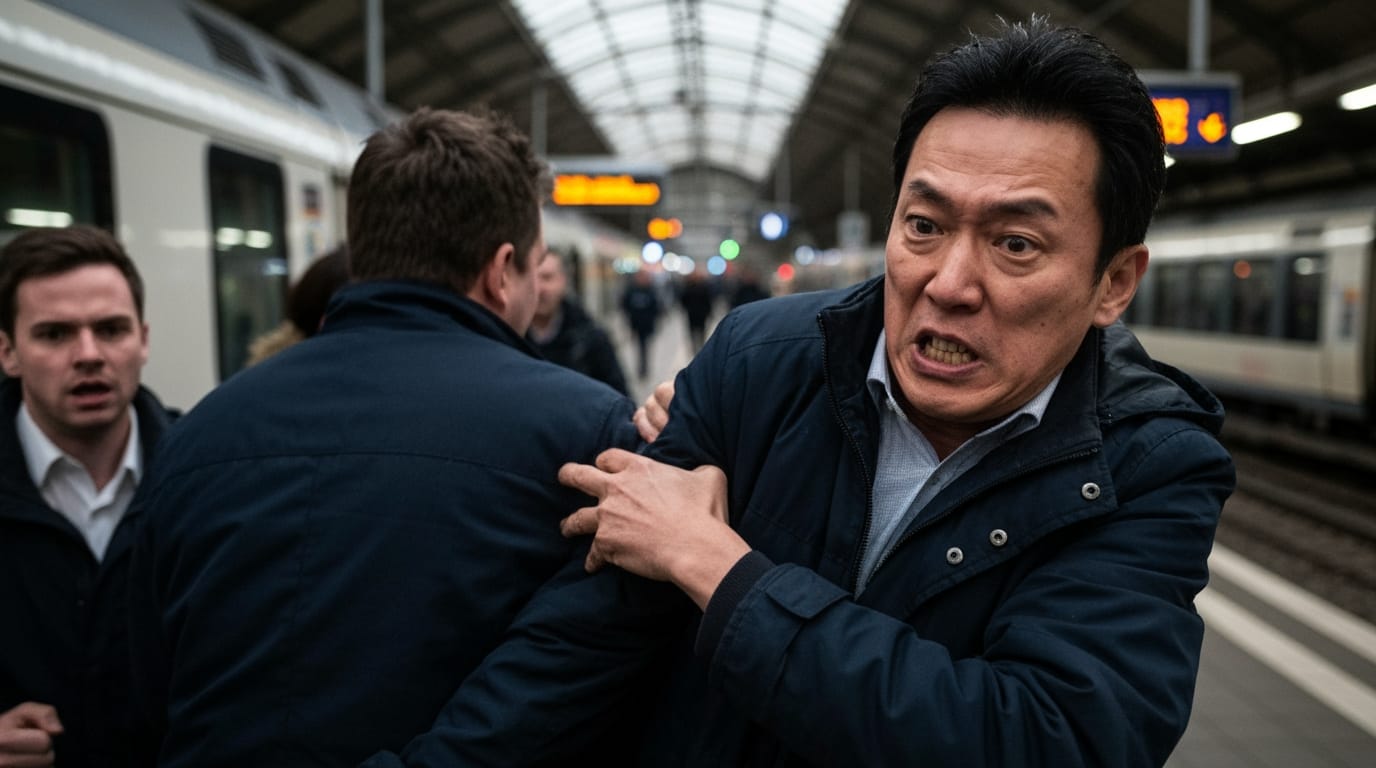
FRANKFURT, GERMANY – The brutal slaying of a Deutsche Bahn (DB) train conductor earlier this month has sent shockwaves across Germany, igniting a fervent debate on railway safety and culminating in a comprehensive "Action Plan for Greater Safety in Rail Transport." The fatal assault, which occurred on February 2, 2026, on a regional express train near Kaiserslautern, claimed the life of 36-year-old Serkan C., a dedicated employee and single father, and underscored the escalating risks faced by frontline railway personnel nationwide. The incident has prompted an urgent re-evaluation of security protocols, leading to significant new measures aimed at protecting staff and reassuring a concerned public.
A Routine Check Turns Fatal
The tragedy unfolded on a Monday evening, February 2, 2026, shortly after a regional express train departed Landstuhl station in Rhineland-Palatinate. Serkan C., a veteran conductor with 15 years of service based in Mannheim, was performing a routine ticket inspection when he encountered a 26-year-old passenger who could not produce a valid ticket. Upon being asked to leave the train, the individual allegedly reacted with extreme violence, repeatedly striking Serkan C. and inflicting severe head injuries. Witnesses, including fellow passengers and a German soldier, swiftly intervened, administering first aid and cardiopulmonary resuscitation to the injured conductor at the scene. Despite their valiant efforts and subsequent emergency hospitalization, Serkan C. tragically succumbed to his injuries in the early hours of Wednesday, February 4, 2026. The alleged assailant, identified as a Greek national without permanent residence in Germany, was apprehended at the scene and is currently in pre-trial detention, facing investigation on suspicion of manslaughter.
A Community Mourns, Calls for Action Intensify
The death of Serkan C., described by Deutsche Bahn as a dedicated employee, resonated deeply across Germany. Deutsche Bahn CEO Evelyn Palla expressed profound sorrow, labeling the incident a "black day" for the country's railway workforce and extending condolences to his family, friends, and colleagues. German Interior Minister Alexander Dobrindt voiced his shock and sadness, emphasizing the need for the perpetrator to be punished with the "full force of the law." The incident, however, quickly transcended an individual tragedy, becoming a catalyst for renewed calls for enhanced safety measures. Railway unions, including the Railway and Transport Union (EVG) and the German Train Drivers' Union (GDL), were particularly vocal, mourning Serkan C. as the first DB train attendant to be killed on duty without personal fault. They accused railway management of long ignoring escalating risks and placing staff in vulnerable situations.
Rising Violence Against Rail Personnel
The fatal assault brought into sharp focus a disturbing trend of increasing aggression against railway staff. Deutsche Bahn statistics reveal a troubling landscape, with 3,262 physical assaults on employees recorded in 2025. While this figure marked a slight decrease from the previous year, it represents a significant 37% increase in incidents since 2016. On average, five DB employees face physical attacks daily. Around half of these assaults occur on regional trains, where Serkan C. was working. Although severe bodily injuries account for a smaller percentage of these cases, unions warn that overall aggression levels are rising, leading to a palpable fear among a significant portion of staff. Critics, particularly from the GDL, have highlighted Deutsche Bahn's "1:1 staffing model," introduced in 2024, as a contributing factor. This model, which assigns only one train manager and one ticket inspector to long-distance trains, including some 13-car ICE trains with up to 918 seats, significantly reduces the number of conductors compared to previous staffing levels. Unions argue this leaves staff isolated and more exposed to dangerous situations.
Deutsche Bahn Unveils Sweeping Safety Action Plan
In response to the tragic death and mounting pressure, Deutsche Bahn, in collaboration with federal and state authorities, trade unions, and transport industry representatives, convened an emergency security summit on February 13, 2026. This summit led to the unanimous agreement on a nationwide "Action Plan for Greater Safety in Rail Transport," a comprehensive package of measures designed to bolster security across the German rail network.
Key initiatives of the plan, many to be implemented from 2026, include:
- Body Cameras: All customer-facing Deutsche Bahn employees across stations, regional services, and long-distance trains will be equipped with body cameras. Their use will remain voluntary for staff.
- Increased Security Personnel: An additional 200 DB Security officers will be deployed at stations to enhance visible presence and rapid response capabilities. Deutsche Bahn currently employs approximately 4,500 security staff and can call upon nearly 6,000 federal police officers.
- Enhanced Training: Staff will receive expanded de-escalation and behavioral training to better manage confrontational situations.
- Improved Emergency Systems: The existing internal "priority call" alert system will be further rolled out and upgraded to ensure faster assistance for staff in critical situations.
- Expanded Video Surveillance: Video surveillance in trains and at stations is slated for significant expansion, with AI-supported evaluation of recordings being explored for early risk detection.
- Ticket Inspection Policy Adjustments: From March 1, 2026, ticket inspectors in regional services will have greater discretion to prioritize their own safety, including whether to request identification during a ticket check.
- Legislative Reforms: Proposals to strengthen criminal-law protections for railway employees are being advanced, with concrete implementation steps expected by the end of April 2026.
A Path Forward for Rail Safety
The death of Serkan C. serves as a stark reminder of the inherent vulnerabilities faced by public service personnel. The immediate and comprehensive response from Deutsche Bahn and German authorities reflects the gravity of the situation and a concerted effort to address the rising tide of violence. While the new "Action Plan" offers tangible steps toward improving safety, the effectiveness of these measures will be closely watched by unions, employees, and the traveling public. The incident has not only highlighted the dangers of enforcing regulations but also reignited a broader societal discussion about respect and safety in public spaces, underscoring the critical importance of protecting those who keep the country's vital infrastructure running.


