Trump Administration Champions Bayer in Landmark Weedkiller Cancer Battle
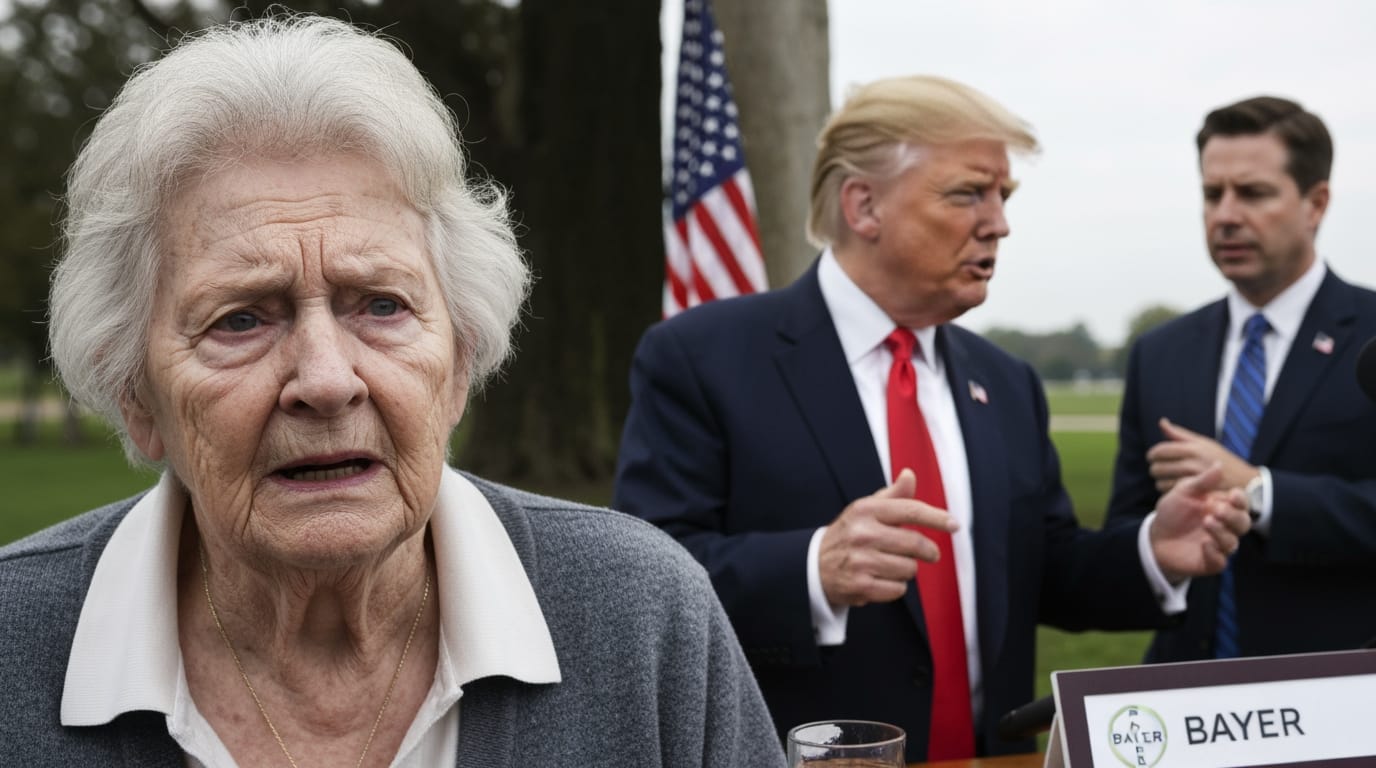
The Trump administration has actively intervened in the ongoing legal saga surrounding Bayer's Roundup weedkiller, urging the U.S. Supreme Court to shield the company from thousands of lawsuits alleging that its glyphosate-based herbicide causes cancer. This intervention, highlighted by a December 1 filing from the U.S. Solicitor General, signals a significant federal backing for Bayer, framing the battle as a critical test of regulatory authority and economic stability for the agricultural sector. The administration's stance aligns with Bayer's argument that federal law should preempt state-level failure-to-warn claims, a position that could profoundly impact corporate liability and public health warnings for a wide range of products.
Federal Preemption at the Forefront of the Legal Strategy
At the heart of the Trump administration's support for Bayer is the legal doctrine of federal preemption. In its brief to the Supreme Court, Solicitor General D. John Sauer argued that the Federal Insecticide, Fungicide, and Rodenticide Act (FIFRA), which governs pesticide regulation, should invalidate state-level lawsuits that claim Bayer failed to warn consumers about Roundup's alleged cancer risks. The administration contends that because the Environmental Protection Agency (EPA) has consistently approved Roundup's labeling without cancer warnings, states should not be permitted to impose different or additional warning requirements. This argument posits that allowing state courts to mandate warnings beyond federal guidelines would undermine the EPA's authority and create an unmanageable patchwork of regulations for companies operating nationally.
The EPA, under the Trump administration, maintained that glyphosate, Roundup's active ingredient, is "not likely to be carcinogenic to humans" when used as directed. This position was reaffirmed even as thousands of lawsuits against Bayer progressed, with the EPA explicitly stating it would not approve warning labels for glyphosate products that suggested a cancer risk, deeming such labels "false and misleading." This firm stance from the federal regulator provides a crucial pillar for Bayer's defense, allowing the company to assert that it complied with all federal labeling mandates.
Bayer's Financial Landscape and the Drive for Legal Certainty
Bayer, a German pharmaceutical and life sciences giant, acquired Monsanto in 2018 for $63 billion, inheriting the vast majority of the ongoing Roundup litigation. Since the acquisition, Bayer has faced tens of thousands of lawsuits from individuals who developed non-Hodgkin lymphoma, alleging a causal link to their prolonged exposure to Roundup. The financial burden on Bayer has been substantial, with the company having already paid billions to resolve Roundup claims, including a $10 billion settlement in 2020 to address a significant portion of the lawsuits. Despite these settlements, thousands of cases remain active, and juries have continued to award large verdicts to plaintiffs, underscoring the company's precarious legal position.
Bayer has consistently argued that decades of scientific studies confirm the safety of glyphosate and Roundup for human use when applied according to instructions. The company views the administration's support as a vital step towards gaining legal certainty and bringing closure to the protracted litigation. Bayer CEO Bill Anderson has stressed the importance of regulatory clarity for farmers, American consumers, and overall food security, indicating that without legal protection or other solutions, Bayer might consider ceasing glyphosate production, which could significantly impact agricultural practices. Pro-business groups, including the U.S. Chamber of Commerce, have echoed concerns that allowing Bayer to be held liable despite federal compliance could set a precedent that exposes many other corporations to similar litigation risks.
Divergent Scientific Views and Public Health Debates
The controversy surrounding Roundup's safety is fueled by a stark contrast in scientific assessments from prominent health organizations. While the U.S. Environmental Protection Agency (EPA) has repeatedly concluded that glyphosate is "not likely to be carcinogenic to humans" when used as directed, the International Agency for Research on Cancer (IARC), an arm of the World Health Organization, classified glyphosate as "probably carcinogenic to humans" in 2015. This divergence has been central to the legal challenges, with plaintiffs often citing IARC's findings and Bayer relying on the EPA's conclusions.
Critics of glyphosate, including various advocacy groups, have consistently pointed to the IARC classification and a growing body of independent research to highlight potential health risks. They argue that the EPA's assessments may not fully account for cumulative exposure effects or the unique vulnerabilities of certain populations, such as farmworkers. The ongoing debate underscores broader questions about the independence of scientific evaluations in regulatory processes and the influence of corporate funding on research outcomes. A recent retraction of a 25-year-old safety evaluation of glyphosate, based on undisclosed Monsanto ghostwriting, has further intensified scrutiny of the scientific basis used for regulatory approvals.
Broader Political and Economic Considerations
The Trump administration's intervention in the Bayer-Roundup litigation is consistent with its broader policy agenda of deregulation and fostering a business-friendly environment. During the initial merger discussions between Bayer and Monsanto, the companies pledged an $8 billion investment in the U.S. economy and the creation of 3,000 jobs, a commitment that garnered President Trump's approval and was seen as a way to secure the administration's backing for the merger. This pledge, made during a meeting with then President-elect Trump, highlighted the administration's emphasis on economic growth and domestic investment.
Beyond these specific commitments, the administration's support can be viewed through the lens of protecting American agricultural interests. Glyphosate-based herbicides like Roundup are widely used in modern farming practices across the U.S., with a significant portion of major crops relying on the chemical for weed control. Agricultural groups have voiced concerns that restricting glyphosate or increasing liability for its manufacturers could have detrimental effects on food production and the livelihoods of farmers. Furthermore, Bayer's political action committee has historically contributed to Republican candidates, indicating a strategic engagement with political processes that could influence regulatory and legal outcomes. The "Make America Healthy Again" (MAHA) Commission, a Trump administration initiative, has also been involved in discussions surrounding pesticide regulation, though its stance on limiting pesticide manufacturer liability has drawn criticism from public health advocates.
Conclusion: A Pivotal Moment for Corporate Liability and Regulation
The Trump administration's staunch support for Bayer in the Roundup cancer battle represents a critical juncture for corporate liability, federal regulatory authority, and public health. By advocating for federal preemption, the administration seeks to protect companies from state-level lawsuits when they comply with federal labeling requirements, potentially setting a far-reaching precedent that could reshape the legal landscape for numerous industries.
The Supreme Court's decision on whether to hear Bayer's appeal, and its subsequent ruling if it takes the case, will have profound implications. It will not only determine the future financial trajectory for Bayer and the fate of thousands of plaintiffs seeking compensation but also define the extent to which states can protect their citizens from potential product risks. The complex interplay of scientific debate, economic pressures, and political interests underscores the high stakes involved in this ongoing legal and regulatory challenge, with its effects reverberating across the agricultural sector, public health advocacy, and the broader legal framework governing product safety.