Trump Administration Steps Into Contentious Nile Dam Dispute; Egypt and Sudan Welcome Mediation
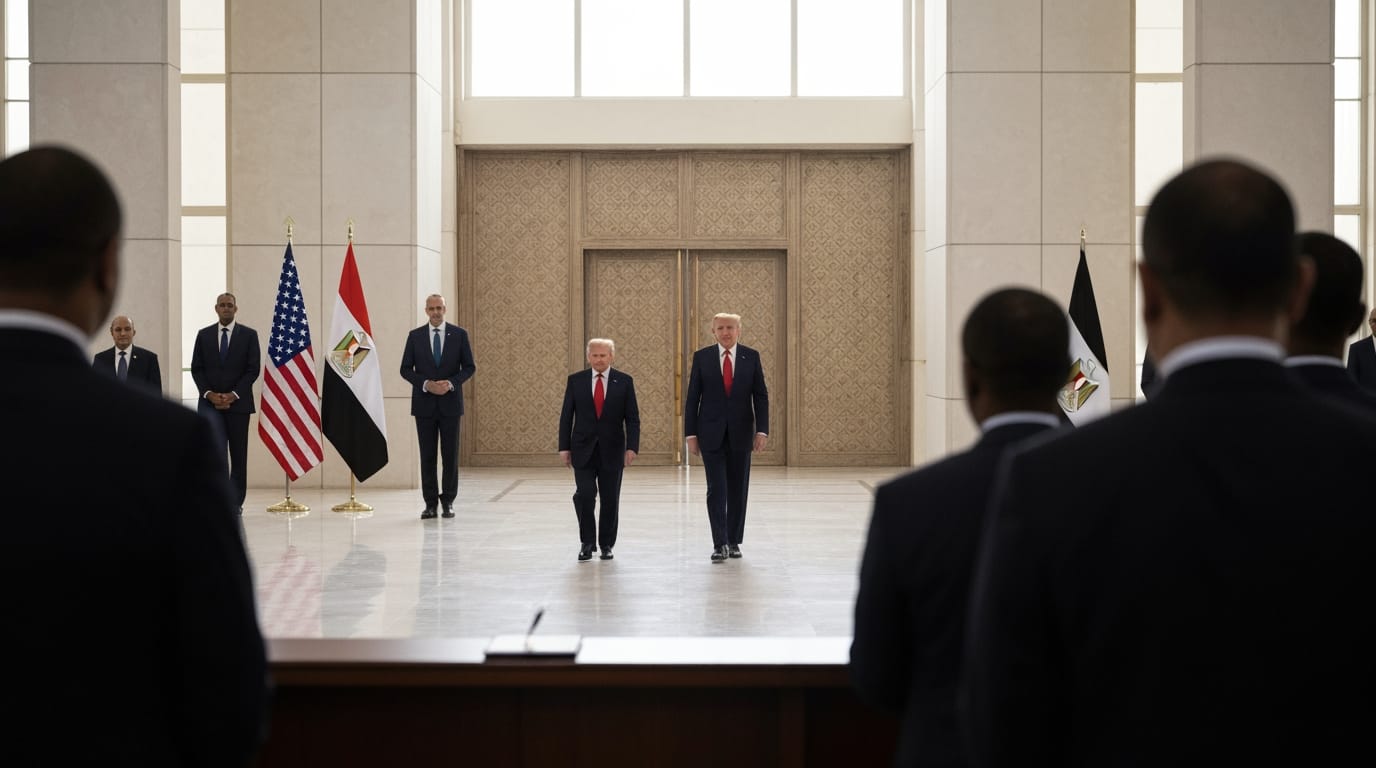
Washington D.C. - The long-running and increasingly contentious dispute over the Grand Ethiopian Renaissance Dam (GERD) saw a significant diplomatic intervention in late 2019 and early 2020, as the United States, under the administration of President Donald Trump, stepped in to mediate talks between Ethiopia, Egypt, and Sudan. Both Egypt and Sudan promptly welcomed the U.S. offer, viewing it as a crucial step toward de-escalating tensions and securing a binding agreement on the colossal hydroelectric project. The involvement of an international arbiter, specifically the U.S. and the World Bank, aimed to bridge the deep divisions that had plagued negotiations for years, centered on the dam's filling and operation and its potential impact on downstream water supplies.
The Grand Ethiopian Renaissance Dam: A Source of Regional Tension
The Grand Ethiopian Renaissance Dam (GERD), located on the Blue Nile River in Ethiopia, is Africa's largest hydroelectric power plant. Construction on the dam began in 2011, with Ethiopia aiming to harness the Blue Nile's waters to generate over 5,000 megawatts of electricity, effectively doubling its electricity generation capacity and addressing a severe energy shortage within the country. The project also holds strategic significance for Ethiopia, symbolizing national development, energy independence, and the potential to become a regional energy hub. Ethiopia has consistently maintained that the dam is a developmental project that will not cause significant harm to downstream nations.
However, the GERD has been a persistent source of friction and deep concern for downstream nations Egypt and Sudan. Egypt, a largely desert country, relies almost entirely on the Nile River for its fresh water supply, supporting a population of over 100 million. Cairo views the dam as an "existential threat" to its water security, fearing that Ethiopia's unilateral filling and operation of the GERD without a binding agreement could severely reduce the Nile's flow, with potentially catastrophic effects on its agriculture and other vital sectors. Sudan, also a downstream nation, has expressed concerns about the dam's structural safety, the risks of uncontrolled water releases, and its potential impact on its own dams and water facilities, particularly during periods of drought. Both Egypt and Sudan have repeatedly called for a legally binding agreement on the rules for filling and operating the dam.
Trump Administration Enters the Fray
After years of stalled trilateral talks, Egypt's requests for international mediation grew louder. In late 2019, the United States and the World Bank stepped in to facilitate negotiations. The first ministerial meeting involving the foreign ministers of Egypt, Ethiopia, and Sudan, along with U.S. Treasury Secretary Steven Mnuchin and World Bank representatives, took place in Washington D.C. in November 2019. Egyptian President Abdel-Fattah el-Sisi publicly expressed his gratitude to President Trump for his efforts, expressing confidence that the U.S. sponsorship would help break the stalemate. Sudanese officials also hailed the initiative as a step towards finding sustainable solutions that preserve the rights of all parties.
The U.S.-led mediation aimed to produce a comprehensive agreement on the GERD's filling and operation, including mechanisms for drought mitigation and dispute resolution. Multiple rounds of talks were held in Washington and in the capitals of the three countries between November 2019 and February 2020. During these discussions, an outline agreement emerged on some contentious issues, including the speed at which Ethiopia would fill the dam's reservoir.
Ethiopia's Reservations and Withdrawal from Talks
Despite initial participation, Ethiopia began to express reservations about the U.S.-led mediation process. In February 2020, Ethiopia announced that it would not participate in the final round of U.S.-sponsored talks in Washington, where a draft deal prepared by the U.S. Treasury Department was expected to be signed. Ethiopia's water ministry stated that it had "not completed its discussions with domestic stakeholders" on the dam and informed the U.S. Treasury that it could not take part.
Sources indicated that Ethiopia's withdrawal might have stemmed from concerns that signing the draft agreement could negatively impact Prime Minister Abiy Ahmed's standing ahead of upcoming national elections. Ethiopia also contended that the proposed agreement was not solely an outcome of trilateral negotiations but had been initialed by Egypt and the U.S., implying that the U.S. and World Bank had overstepped their roles and proposed drought mitigation measures that favored Cairo. Ethiopia subsequently accused the U.S. of taking sides and stated its intention to adhere to its original filling schedule. The U.S. Treasury Secretary, Steven Mnuchin, then issued a statement cautioning that "final testing and filling should not take place without an agreement."
Unilateral Actions and Lingering Impasse
Following the collapse of the U.S.-mediated talks, Ethiopia proceeded with the first phase of filling the GERD's reservoir in July 2020, coinciding with heavy rains. This unilateral action prompted strong protests from Egypt and Sudan, who subsequently appealed to the United Nations Security Council. Ethiopia has since completed multiple phases of filling, including the fourth and final filling in September 2023, despite continued objections from Egypt and Sudan regarding the lack of a binding agreement.
The dispute has remained unresolved, with subsequent mediation efforts under the African Union also failing to produce a breakthrough. While the dam is now largely complete and operational, the core disagreements regarding the dam's annual replenishment, the amount of water released during multi-year droughts, and the mechanism for resolving future disputes continue to strain relations between the three nations.
Conclusion
The Trump administration's intervention in the GERD dispute, though initially welcomed by Egypt and Sudan, ultimately failed to secure a binding agreement between the riparian states. The mediation highlighted the deep-seated mistrust and divergent national interests surrounding the Nile River, a lifeline for millions. While Ethiopia has asserted its sovereign right to develop the dam for its economic growth, Egypt and Sudan remain steadfast in their demand for a legally binding accord to safeguard their water security. The unsuccessful U.S. mediation left the parties at an impasse, with Ethiopia continuing its dam filling operations and downstream nations reiterating their calls for an international solution to what remains a critical geopolitical challenge in the Horn of Africa. The unresolved issues continue to underscore the need for a cooperative framework that balances the developmental aspirations of Ethiopia with the vital water security concerns of Egypt and Sudan.


