Trump Administration Unleashes Unprecedented Denaturalization Drive, Targeting 17 Citizens in Expansive Crackdown
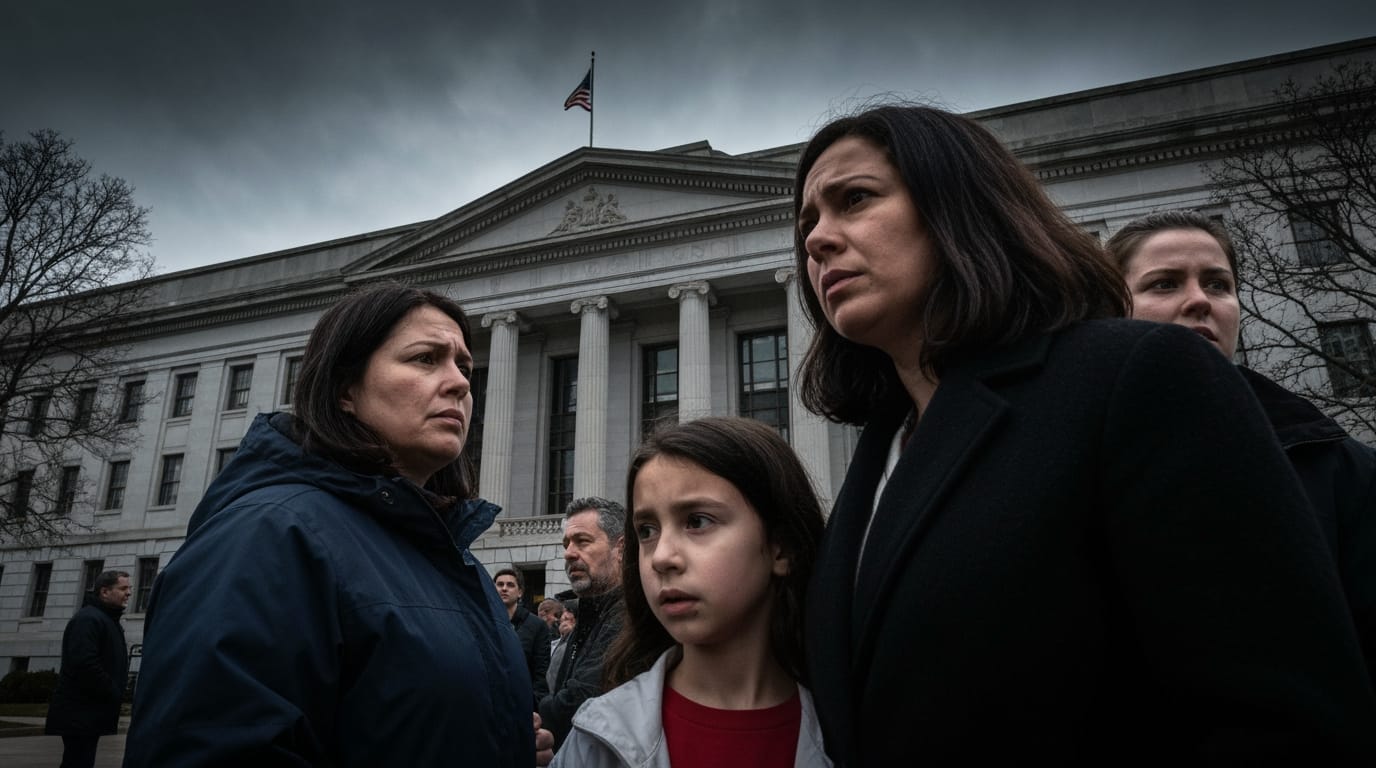
Washington, D.C. – The Department of Justice (DOJ) under the Trump administration has embarked on an unprecedented expansion of its denaturalization efforts, announcing plans to revoke the U.S. citizenship of 17 naturalized individuals. This latest move marks the largest single wave of denaturalization cases pursued by the U.S. government to date, signaling a significant escalation in the administration's broader crackdown on immigration. Officials assert these actions are a critical measure against those who obtained citizenship fraudulently, by concealing serious criminal histories, or through willful misrepresentation.
Acting Attorney General Todd Blanche declared a "zero tolerance" policy for any abuse of the naturalization process, emphasizing that U.S. citizenship is a privilege, not a right to be obtained dishonestly. This announcement follows a similar action last month targeting a dozen individuals, underscoring a consistent and intensifying focus on stripping citizenship from those deemed to have circumvented established legal pathways.
The Escalation of Denaturalization Efforts
The recent push to denaturalize 17 U.S. citizens represents a dramatic increase in the federal government's use of its denaturalization powers. Historically, the Justice Department filed an average of only 11 legal complaints per year seeking to revoke citizenship between 1990 and 2017. The current administration's proactive stance is a stark departure from previous periods, with officials highlighting the gravity of the offenses allegedly committed by the targeted individuals.
The individuals facing denaturalization are accused of various forms of fraud and serious criminal conduct, which allegedly rendered them ineligible for citizenship at the time of their naturalization. The list of allegations includes egregious crimes such as child sexual abuse, wire fraud, H-1B visa fraud, money laundering, and defrauding a tribal casino. Specific cases cited by the DOJ include a Haitian immigrant accused of sexually abusing his daughter, a man from the former Yugoslavia convicted of sexually abusing a child, an immigrant from Mexico convicted of receiving sexually explicit images of minors, a Colombian-born former Catholic priest accused of child sex abuse, and a Filipino-born man who pleaded guilty to a child sex crime. Other cases involve an Indian immigrant accused of fraudulent H-1B visa petitions, the daughter of a Colombian drug trafficker implicated in money laundering, a Jamaican man convicted of wire fraud, and a Cuban-born woman accused of casino fraud. Many of these individuals are also accused of using false identities to secure their naturalization.
Homeland Security Secretary Markwayne Mullin reinforced the administration's position, stating that "American citizenship is a privilege, and it must be earned honestly." He added, "If you come here, break our laws, and lie in your immigration proceedings, you forfeit that privilege." This strong rhetoric underscores the administration's commitment to aggressively pursue denaturalization as a tool of immigration enforcement.
Legal Framework and Grounds for Revocation
The ability of the U.S. government to revoke citizenship is enshrined in federal law, primarily under the Immigration and Nationality Act. Denaturalization can occur if a naturalized citizen's citizenship was "illegally procured" or obtained through "concealment of a material fact or by willful misrepresentation." This legal process requires a judicial order, typically through civil proceedings in federal court, although it can also result from a criminal conviction for naturalization fraud.
For a civil denaturalization case to succeed, the government bears a high burden of proof, needing to present "clear, convincing, and unequivocal evidence which does not leave the issue in doubt" that the individual committed fraud or otherwise illegally obtained their citizenship. The concealment or misrepresentation must be material, meaning it would have influenced the decision to grant citizenship. There is no statute of limitations for pursuing a civil denaturalization case, allowing the government to initiate proceedings years after naturalization was granted.
Should a U.S. citizen be successfully denaturalized, the consequences are significant. The individual's immigration status reverts to what it was before naturalization, most commonly that of a lawful permanent resident (LPR). This change results in the loss of all legal benefits associated with American citizenship, including the crucial protection from deportation. Denaturalized individuals also lose their right to vote, hold public office, and possess a U.S. passport. Furthermore, the DOJ's practice suggests that resources are not expended on civil denaturalization actions "unless the ultimate goal is the removal of the individual from the United States."
A Shift in Enforcement: Policy and Precedent
The Trump administration's current denaturalization drive is part of a broader, more aggressive immigration enforcement strategy that began during its first term. In 2025, the Justice Department reportedly broadened the categories of naturalized citizens prioritized for denaturalization, signaling a strategic shift to expand the scope of such cases. This policy was reinforced by an internal memo from the Assistant Attorney General for the Civil Division on June 11, 2025, directing attorneys to prioritize denaturalization cases as a top civil enforcement priority.
Further institutionalizing these efforts, the DOJ's Civil Division created a specialized Denaturalization Section in 2020. This dedicated unit aims to "bring justice to terrorists, war criminals, sex offenders, and other fraudsters who illegally obtained naturalization." Reports also indicate that in December 2025, internal guidance was issued asking U.S. Citizenship and Immigration Services (USCIS) field offices to refer between 100 to 200 denaturalization cases per month to the DOJ for the remainder of fiscal year 2026.
Historically, denaturalization has been a rare occurrence, often reserved for the most egregious cases, such as Nazi war criminals who concealed their past. However, federal law first provided for denaturalization with the Naturalization Act of 1906. In recent decades, efforts like "Operation Janus," launched during the Obama administration and expanded under Trump as "Operation Second Look," aimed to identify individuals who used alternate identities to obtain citizenship, particularly those with prior deportation orders where fingerprint records were not digitized. While these operations laid some groundwork, the current administration has significantly amplified the scale and frequency of denaturalization actions.
Broader Implications and Stakeholder Perspectives
The aggressive pursuit of denaturalization by the Trump administration carries significant implications for the approximately 20 million naturalized U.S. citizens and the broader immigration system. While the administration frames these actions as essential for maintaining the integrity of the citizenship process and protecting national security, critics express concerns.
Immigration advocates worry that the expanded focus could lead to the targeting of individuals for minor or unintentional errors made during their naturalization process, rather than exclusively for severe fraud or criminal concealment. This heightened scrutiny, they argue, could foster an environment of uneasiness among naturalized citizens, creating a perception of "second-class citizenship" where their status, unlike that of native-born citizens, remains perpetually conditional and subject to review. The extensive nature of these proceedings, which involve complex civil or criminal litigation, also demands considerable legal resources, raising questions about the efficiency and cost-effectiveness of such a widespread campaign.
The administration's stance, however, remains firm: individuals who intentionally defraud the system or conceal serious crimes have undermined the fundamental principles of U.S. citizenship. The ongoing legal battles will likely further define the parameters and application of denaturalization powers in an era of heightened immigration enforcement.
Conclusion
The Trump administration's latest push to denaturalize 17 U.S. citizens represents a significant chapter in its evolving immigration policy. Characterized by a "zero tolerance" approach and an unprecedented scale, these actions signal a firm commitment to revoking citizenship from individuals accused of serious fraud or criminal conduct during their naturalization process. While proponents argue for the necessity of maintaining the integrity of U.S. citizenship, critics voice concerns about the potential impact on naturalized citizens and the broader legal landscape. As these cases proceed through the federal courts, they will undoubtedly continue to shape the discourse surrounding the rights and responsibilities associated with American citizenship.