Trump Announces 25% Tariff on Countries Buying Venezuelan Oil
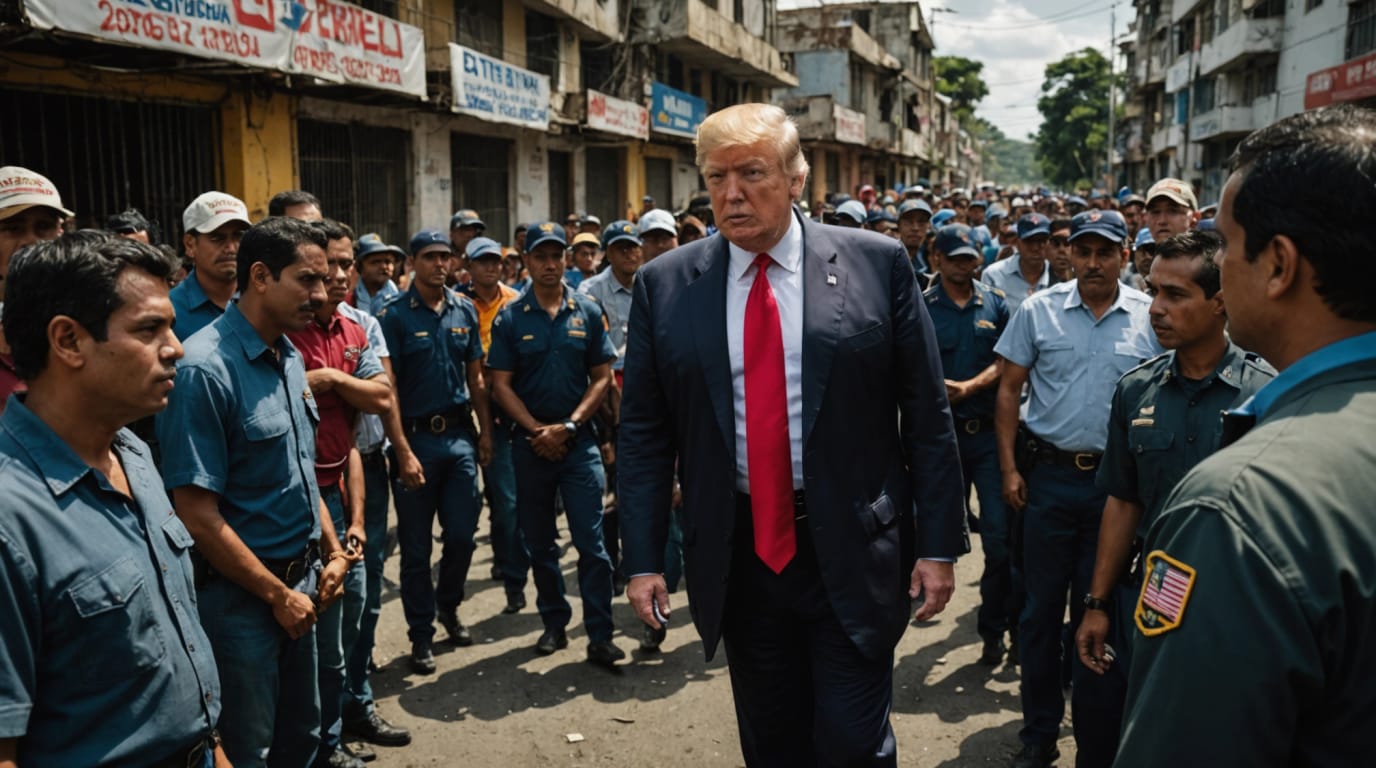
WASHINGTON – President Donald Trump announced Monday that he would impose a 25% tariff on all imports from any country that purchases oil or gas from Venezuela, escalating tensions with the South American nation. The move, set to take effect April 2, is intended to pressure the Venezuelan government and potentially impact countries like China and India that rely on Venezuelan oil.
"Secondary" Tariffs and Allegations Against Venezuela
In a post on Truth Social, Trump stated that Venezuela has been "very hostile" to the U.S. and is "deceitfully sending tens of thousands of criminals, murderers and gang members" into the country. He specifically mentioned the gang Tren de Aragua, which he said has been designated as a Foreign Terrorist Organization. Trump said the tariff is a response to these actions, and countries purchasing oil from Venezuela will be forced to pay the tariff on all their trade with the U.S.
These tariffs are being referred to as "secondary tariffs," a term typically used to describe sanctions imposed on entities that do business with a sanctioned country. This is a potentially novel use of trade restrictions.
Impact on Global Oil Market
The announcement immediately impacted the global oil market, with benchmark crude oil futures jumping nearly 1.5% on Monday. The move introduces uncertainty into the market and could lead to price increases.
Venezuela holds the largest proven oil reserves in the world. However, its production has declined significantly in recent years due to economic mismanagement, corruption, and previous U.S. sanctions. In 2023, Venezuela's oil exports accounted for $4.04 billion, with an average of 550,000 barrels per day exported.
Potential Impact on China and India
China is a major purchaser of Venezuelan crude oil. In February 2025, China received directly and indirectly approximately 503,000 barrels per day of Venezuelan crude and fuel, which represented 55% of total exports. Any tariffs imposed on China could lead to a decline in the volume of Venezuelan crude received by Chinese buyers, potentially forcing Venezuela to offer price discounts to maintain its market share.
India has also emerged as a significant buyer of Venezuelan oil in recent months. In 2024, India imported approximately 22 million barrels of Venezuelan oil, constituting about 1.5% of its total crude oil purchases. Reliance Industries Limited (RIL) had secured official clearance from U.S. authorities to import oil from Venezuela. The new tariff could complicate India's energy strategy, as it relies on diversified oil sources to manage costs and supply security.
U.S.-Venezuela Relations and Previous Sanctions
The U.S. has a long history of imposing sanctions on Venezuela, particularly targeting its oil sector. In January 2019, the U.S. Treasury Department determined that individuals operating in Venezuela's oil sector may be subject to sanctions. The U.S. has also sanctioned PDVSA, Venezuela's state-owned oil company.
In October 2023, the Biden administration temporarily lifted some U.S. sanctions on the oil, gas, and gold industries in exchange for the promise of the release of political prisoners and free 2024 elections. However, most of the sanctions were reimposed in April 2024 after the U.S. State Department said the Barbados Agreement to hold free elections had not been fully honored.
Domestic Implications for the U.S.
The tariff announcement comes as Trump has labeled April 2 as "LIBERATION DAY" based on his plans to roll out import taxes to match the rates charged by other countries, as well as fully levy 25% tariffs against Mexico and Canada, the two largest U.S. trading partners.
The move could have implications for U.S. consumers, potentially leading to higher prices for goods imported from countries that continue to purchase Venezuelan oil. Some U.S. refiners located in the Gulf Coast claim that they depend on Venezuelan heavy, sour crude oil for their needs. However, this type of crude is also available from Canada, Saudi Arabia, and Mexico.
Venezuela's Response
There was no immediate response from Venezuelan President Nicolás Maduro's government to a request for comment. However, in the past, Venezuela has condemned U.S. sanctions as "economic aggression."
It remains to be seen how Venezuela will respond to the new tariffs and whether it will seek to find alternative markets for its oil. The country may attempt to increase its sales to China or other countries in Asia, potentially offering further discounts to offset the impact of the tariffs.
Conclusion
President Trump's announcement of a 25% tariff on countries buying Venezuelan oil marks a significant escalation in U.S. policy toward Venezuela. The move is intended to pressure the Maduro government and cut off a major source of revenue. However, it could also have unintended consequences for the global oil market and countries like China and India that rely on Venezuelan oil. The impact on U.S. consumers and the broader U.S. economy remains to be seen. The situation is fluid, and further developments are expected in the coming weeks.


