Trump Announces 25% Tariff on Imported Cars, Sparks Market Jitters
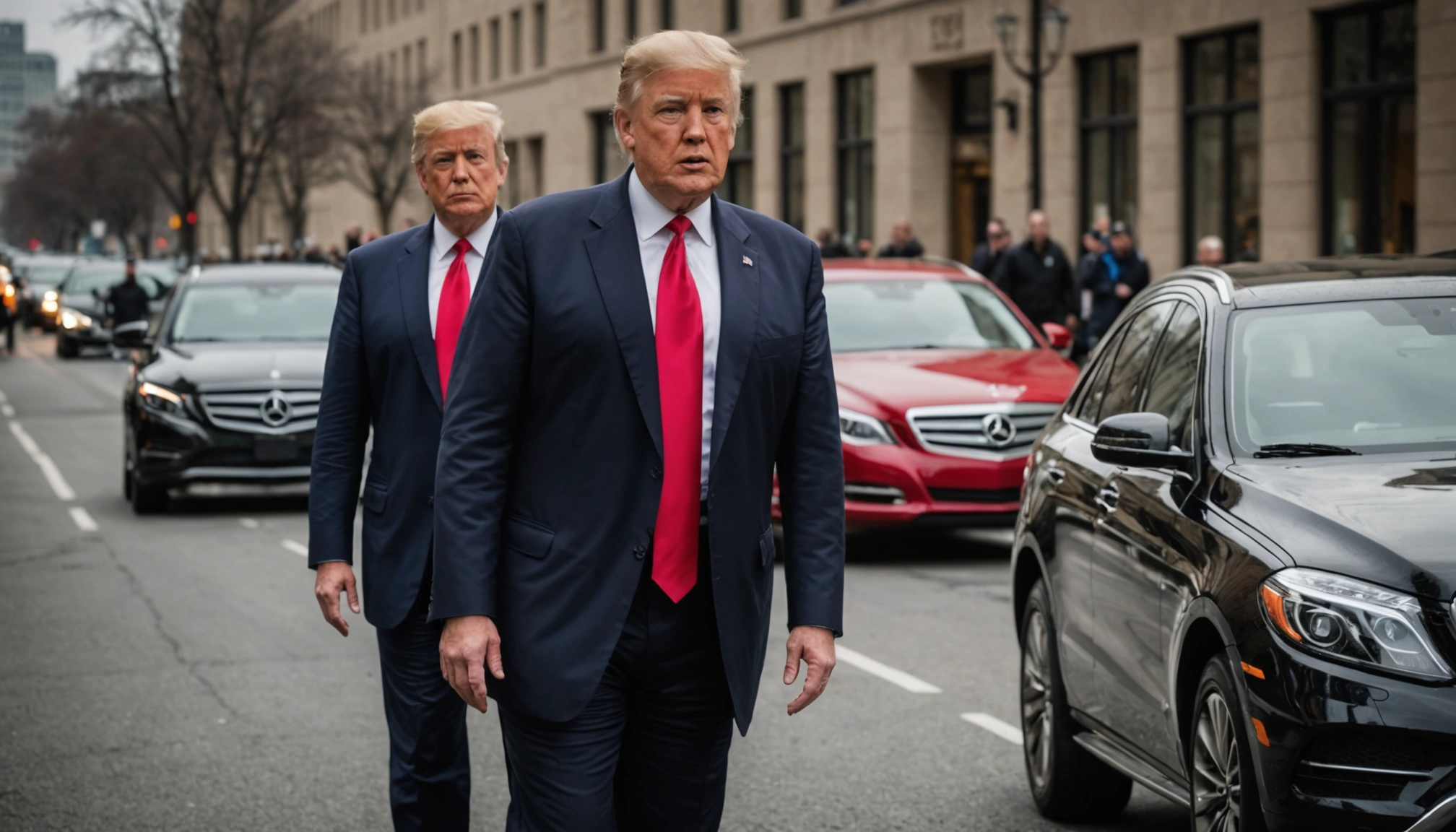
WASHINGTON — President Donald Trump announced Wednesday the imposition of a 25% tariff on automobiles imported into the United States, a move intended to bolster domestic manufacturing but one that immediately sent ripples of concern through financial markets and drew criticism from trade partners. The new tariff, effective immediately, is the latest in a series of protectionist trade measures enacted by the Trump administration.
Aiming to Revitalize U.S. Auto Industry
Speaking from the Oval Office, President Trump stated the tariff aims to incentivize automakers to shift production to the United States. "I think our automobile business will flourish like it's never flourished before," he said. The administration argues the tariff will create jobs, increase investment in American factories, and reduce the nation's trade deficit. This action aligns with Trump's broader economic agenda focused on revitalizing the U.S. industrial base through tariffs and trade negotiations.
Market Reacts Negatively
The announcement triggered an immediate negative reaction on Wall Street. The S&P 500 tumbled as investors grappled with the potential economic consequences. Shares of major automakers, including General Motors and Stellantis, experienced declines. Tesla shares also fell, compounding existing concerns about sales and CEO Elon Musk's association with the Trump administration. Analysts predict the tariffs could lead to increased vehicle costs for consumers, potentially dampening demand and impacting overall economic growth.
Impact on Consumers and Automakers
The tariffs are essentially taxes on imports, costs that are largely expected to be passed on to American consumers. The Anderson Economic Group estimates new tariffs on U.S. car imports could drive up vehicle costs between $2,000 and $12,200 for some models. This could disproportionately affect consumers who rely on more affordable imported vehicles.
Automakers with manufacturing plants and supply chains spread across North America face increased costs and potential profit squeezes. The Detroit automakers, in particular, could be vulnerable. While the tariffs are designed to encourage domestic production, the integrated nature of the automotive industry means that many "American" cars still rely on imported parts, making them subject to higher costs.
Global Trade Tensions Escalate
The auto tariffs are expected to further escalate global trade tensions. The move comes ahead of the administration's planned implementation of "reciprocal tariffs" on April 2, a date President Trump has dubbed "Liberation Day." These reciprocal tariffs are intended to match the duties other countries impose on U.S. goods. The prospect of escalating trade disputes raises concerns about retaliatory measures from other countries, potentially harming American exports and further destabilizing the global economy.
Experts Skeptical of Long-Term Benefits
Economists and trade experts have expressed skepticism about the long-term benefits of the auto tariffs. While the tariffs may provide short-term protection for domestic manufacturers, they could also lead to higher prices, reduced consumer choice, and retaliatory measures from other countries. Some analysts argue that tariffs ultimately harm the U.S. economy by disrupting supply chains, increasing costs for businesses, and reducing overall competitiveness. Studies of tariffs imposed during Trump's first term indicated that they were overwhelmingly paid by U.S. businesses and consumers.
Conclusion: Uncertainty Ahead
President Trump's decision to impose a 25% tariff on imported cars marks a significant escalation in his administration's trade policy. While the move is intended to revitalize the U.S. auto industry, it has already triggered negative reactions in financial markets and raised concerns about the potential impact on consumers, automakers, and the global economy. The coming weeks will be crucial in determining the long-term consequences of this policy and whether it achieves its intended goals or leads to further trade disputes and economic disruption.
Related Articles


Ratko Mladić, "Butcher of Bosnia" and Convicted War Criminal, Dies at 84
THE HAGUE, Netherlands – Ratko Mladić, the former Bosnian Serb military commander known as the "Butcher of Bosnia" and convicted of genocide, war crimes, and crimes against humanity, has died at the age of 84. Serbian...


Long-Awaited 9/11 Mastermind Trial Set for 2028, Decades After Attacks
GUANTANAMO BAY, Cuba – Nearly a quarter-century after the devastating terror attacks of September 11, 2001, a military judge has finally set a trial date for Khalid Sheikh Mohammed, the alleged mastermind behind the...