Trump Announces India Trade Deal, Citing Shift Away From Russian Oil
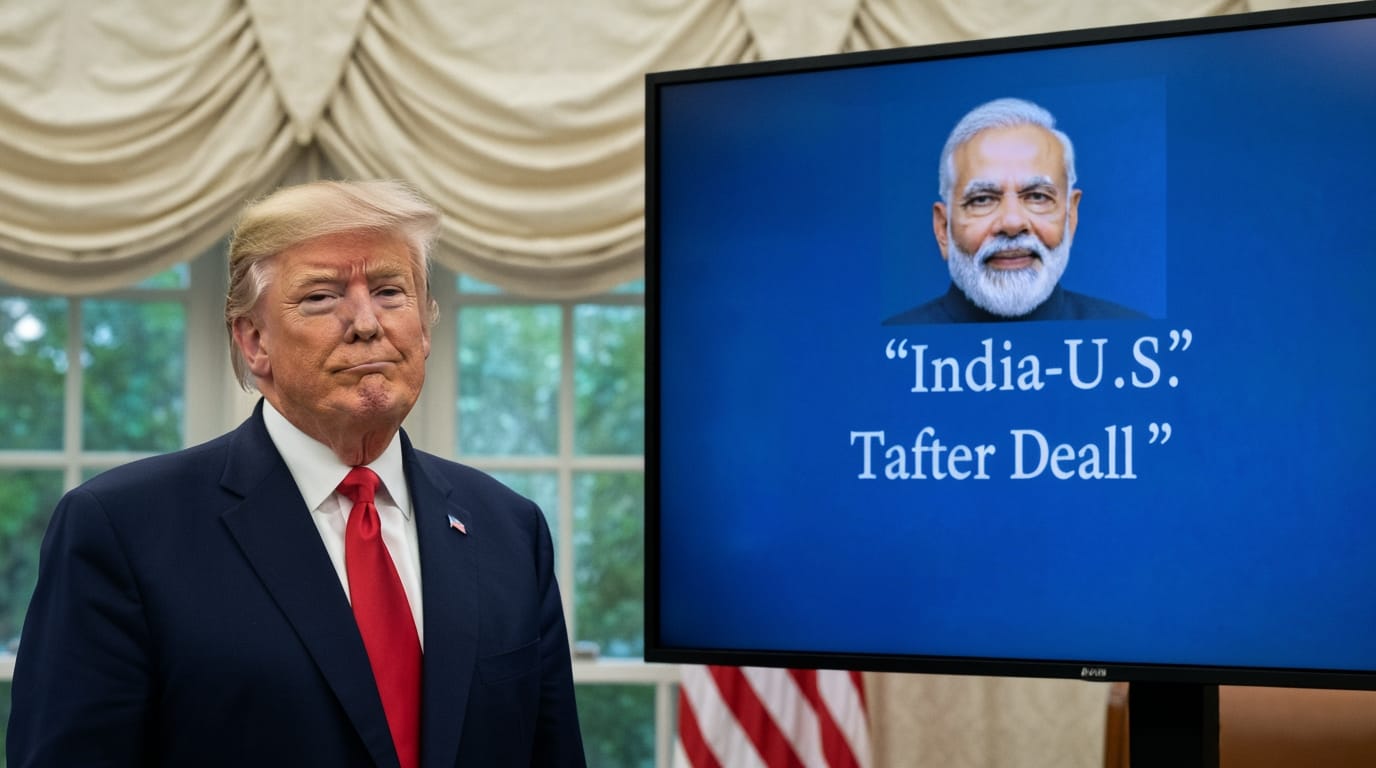
WASHINGTON D.C. — Former U.S. President Donald Trump announced on Monday a new trade agreement with India, following a phone conversation with Prime Minister Narendra Modi. The purported deal, revealed by Trump on his Truth Social platform, includes a reduction in U.S. tariffs on Indian goods and a significant commitment from New Delhi to cease purchasing Russian oil.
The announcement marks a potential recalibration of trade relations between the two global powers, which have seen periods of tension over tariffs and market access. According to Trump, the agreement signals a warming of ties and carries broader geopolitical implications, particularly concerning the ongoing conflict in Ukraine.
Key Provisions of the Proposed Agreement
Central to the announced agreement is a reduction in the U.S. reciprocal tariff rate on Indian products, lowering it from 25 percent to 18 percent. Trump stated this move was made "out of friendship and respect" for Prime Minister Modi and at his request. In turn, Trump claimed India agreed to eliminate its own tariffs and non-tariff barriers against U.S. goods.
Beyond tariffs, a cornerstone of Trump's announcement was India's alleged commitment to stop buying Russian oil. India has been a significant buyer of discounted Russian crude in the wake of the February 2022 invasion of Ukraine, a move that had drawn criticism from some Western nations. Trump stated that India would instead shift its energy purchases towards the United States and potentially Venezuela, pledging to buy more than $500 billion worth of American energy, technology, agricultural, and other products. He directly linked this energy pivot to efforts to "END THE WAR in Ukraine."
Background of Bilateral Trade Relations
The relationship between the United States and India has frequently navigated complex trade landscapes, characterized by both strategic partnerships and persistent disputes over protectionist measures. Both nations have, at various times, imposed tariffs on each other's goods, leading to trade deficits and calls for more equitable market access. Previous efforts to forge comprehensive trade agreements had encountered roadblocks, notably India's historical reluctance to fully open its agriculture sector to U.S. imports.
Trump's latest announcement comes after months of his persistent calls for India to reduce its reliance on Russian crude oil. India, as the world's third-largest oil consumer, had significantly ramped up its imports from Russia, taking advantage of steep discounts offered by Moscow amidst Western sanctions. This increased trade with Russia had been a point of contention in India's broader foreign policy, balancing its energy needs with geopolitical alignments.
Reactions and Broader Implications
Prime Minister Modi swiftly acknowledged Trump's announcement on social media platform X (formerly Twitter), expressing delight that "Made in India" products would now face a reduced 18 percent tariff in the U.S. He thanked Trump "on behalf of the 1.4 billion people of India for this wonderful announcement."
The potential shift in India's energy purchasing strategy, if fully realized, carries substantial geopolitical weight. A move away from Russian oil would align India more closely with Western efforts to economically isolate Russia and could significantly alter global energy markets. Simultaneously, a commitment to purchase hundreds of billions of dollars worth of U.S. products would provide a substantial boost to American industries.
The announcement also suggests a potential thawing in India-U.S. trade relations, which had previously been strained by reciprocal tariffs. While an additional 25 percent tariff on certain Indian exports to the U.S. reportedly remains in place, the proposed tariff reduction could pave the way for further negotiations and deeper economic integration.
Conclusion
The recent announcement by former President Donald Trump regarding a trade deal with India, following discussions with Prime Minister Narendra Modi, signals a potentially significant development in bilateral relations. While specific details and the full implementation timeline remain to be seen, the proposed agreement highlights a dual focus on alleviating trade barriers and reorienting India's energy procurement away from Russia. This move, if it comes to full fruition, could have far-reaching economic benefits for both the United States and India, while also influencing the broader geopolitical landscape, particularly concerning the conflict in Ukraine. The coming months will reveal the extent to which these announced intentions translate into concrete policy shifts and enduring agreements.


