Trump Announces Reciprocal Tariffs, Aiming to Reshape Global Trade
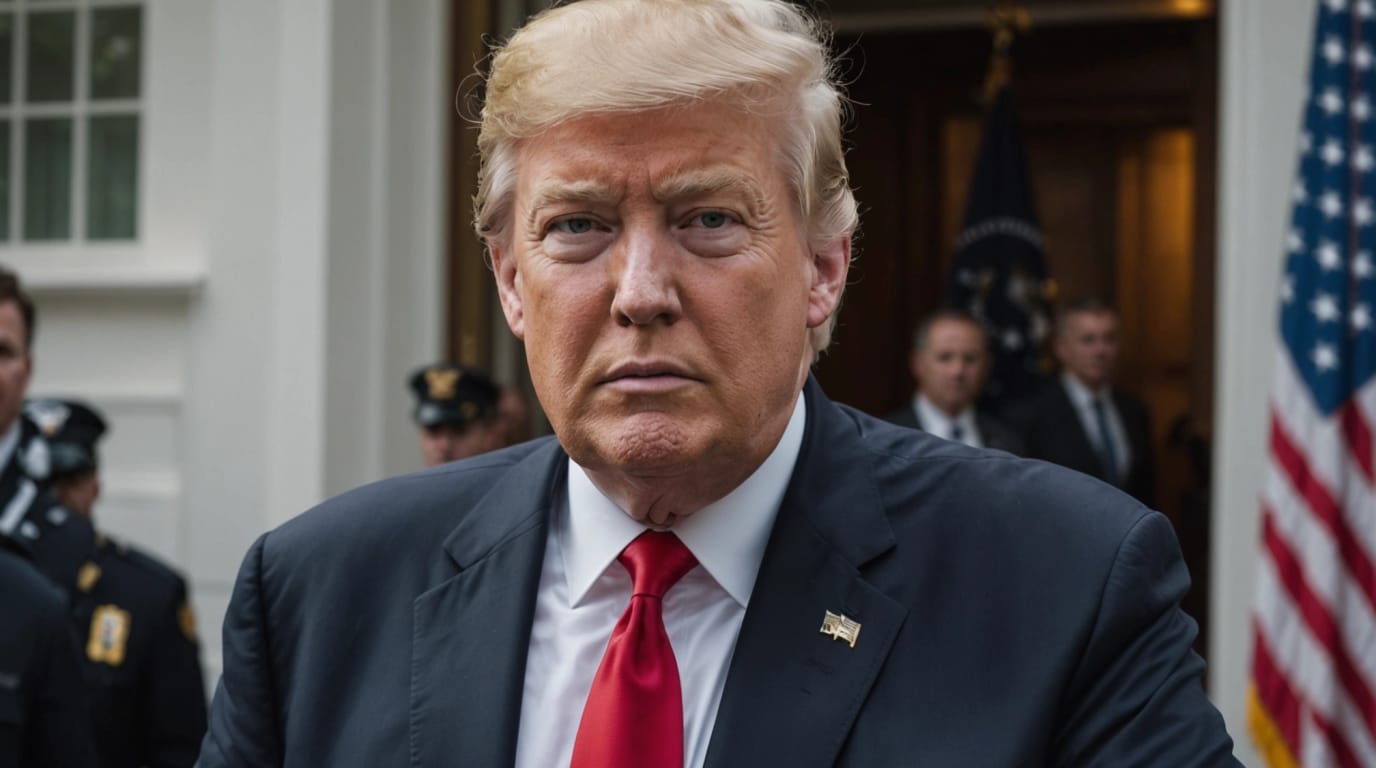
President Donald Trump has confirmed that reciprocal tariffs will take effect starting April 2, signaling a significant shift in U.S. trade policy. The move, aimed at addressing what the administration views as unfair trade practices, promises to intensify trade tensions and potentially reshape global economic relationships. The core principle behind reciprocal tariffs is to mirror the duties imposed by other countries on U.S. goods, creating a tit-for-tat system designed to level the playing field.
The "Fair and Reciprocal Plan"
In mid-February, Trump unveiled the "Fair and Reciprocal Plan," asserting its goal is to restore fairness in global trade. Under this policy, the United States will impose tariffs on imports from countries that have levied high duties on U.S. goods. Trump has stated the U.S. would charge a reciprocal tariff, meaning the tariffs would mirror those imposed by other nations—no more, no less. The administration believes this approach will incentivize other countries to lower their tariffs on American products, leading to more balanced trade relations.
The U.S. Trade Representative (USTR) is seeking public comment on the Trump Administration's "Fair and Reciprocal Plan" to assist it in identifying any unfair trade or non-reciprocal foreign trade practices. The deadline for submitting comments is March 11, 2025.
Targeting VAT Systems and Trade Barriers
Trump has also addressed countries with Value-Added Tax (VAT) systems, which he considers more punitive than traditional tariffs. Under the new policy, these countries will face reciprocal treatment, with the U.S. matching their VAT charges as tariffs on U.S. goods. VAT is a consumption tax added to the value of a product at each stage of the supply chain, and Trump's administration views it as a disadvantage for American exporters.
Beyond tariffs and VAT, the U.S. will target subsidies, non-monetary tariffs, and trade barriers that restrict U.S. businesses and products from entering foreign markets. The administration has made it clear that it will not tolerate countries attempting to bypass tariffs by sending goods through third nations, a tactic they believe harms the U.S. economy.
Implementation and Investigation
To implement the "Fair and Reciprocal Plan," various executive agencies are required by April 1, 2025, to provide the President with reports of investigations. These reports will cover the causes of the U.S. trade deficit, the feasibility of establishing an External Revenue Service, and the identification of unfair trade practices by other countries.
Following the submission of these reports, the USTR and Secretary of Commerce, in consultation with other executive agencies, will initiate an investigation of harm to the United States from non-reciprocal trade arrangements with other countries. This comprehensive investigation will examine various activities by trade partners, including:
- Tariffs imposed on U.S. products
- Unfair, discriminatory, or extraterritorial taxes, such as VAT
- Nontariff barriers, including subsidies and burdensome regulatory requirements on United States businesses operating in other countries
- Wage suppression, exchange rate deviation from market value, and other mercantilist policies
- Any other practice that "imposes any unfair limitation on market access or any structural impediment to fair competition with the market economy of the United States."
Upon completion of the investigation, the USTR and Secretary of Commerce will submit a report to President Trump detailing proposed remedies to achieve reciprocal trade relations with each trading partner.
Potential Fallout and Concerns
The announcement of reciprocal tariffs is expected to intensify trade tensions, particularly with countries that have maintained high tariffs on U.S. goods. Some economists and trade experts have expressed concerns that this approach could lead to retaliatory measures from other countries, resulting in a trade war that harms the global economy.
Trump indicated Wednesday that European countries would also face a 25% tariff as part of his reciprocal tariffs. He also wants separate tariffs on autos, computer chips and pharmaceutical drugs that would be levied in addition to the reciprocal tariffs. The president already announced that he's removing the exemptions on his 2018 steel and aluminum tariffs, in addition to planning taxes on copper imports. The prospect of a broader trade conflict should other nations follow through with their own retaliatory tariffs is already spooking U.S. consumers, potentially undermining Trump's promise to unleash stronger economic growth.
Several comments identify harmful practices of foreign companies located in Mexico and India. Because USTR's investigation of non-reciprocal trade arrangements is tied to reports due in April, an extension of the March 11 deadline for comments is unlikely. President Trump and Commerce Secretary Howard Lutnick also recently indicated that reciprocal tariffs on imports from many nations could be announced as soon as April 2, 2025. These tariffs are separate from steel and aluminum tariffs that President Trump announced last month, which are set to take effect on March 12, 2025.
Broader Implications
The implementation of reciprocal tariffs marks the next phase of the Trump administration's approach to reshaping trade agreements to prioritize American interests. This policy aligns with the "America First Trade Policy," which seeks to reduce the persistent annual trade deficit and address inequitable and unbalanced trade practices with foreign partners.
While the memorandum does not explicitly define "non-reciprocal" trade arrangements, its alignment with the America First Trade Policy Memorandum issued on Jan. 20, 2025, suggests a broad interpretation – likely encompassing any trade arrangement that results in the U.S. importing more than it exports.
The move could have significant implications for various sectors of the U.S. economy, including manufacturing, agriculture, and technology. Companies and investors with interests impacted by these topics should carefully review these announcements and the schedules for submitting comments and consider whether and how best to participate.
Conclusion
President Trump's announcement of reciprocal tariffs signals a bold and potentially disruptive shift in U.S. trade policy. While the administration argues that this approach will create a fairer trading environment and protect American industries, concerns remain about the potential for retaliatory measures and the overall impact on the global economy. As the April 2 implementation date approaches, businesses, policymakers, and consumers will be closely watching to see how this new policy unfolds and what consequences it brings. The coming months will be crucial in determining whether reciprocal tariffs achieve their intended goals or lead to a broader trade conflict.