Trump Declares Indefinite Strikes on Iran Amid Intensifying Regional Conflict
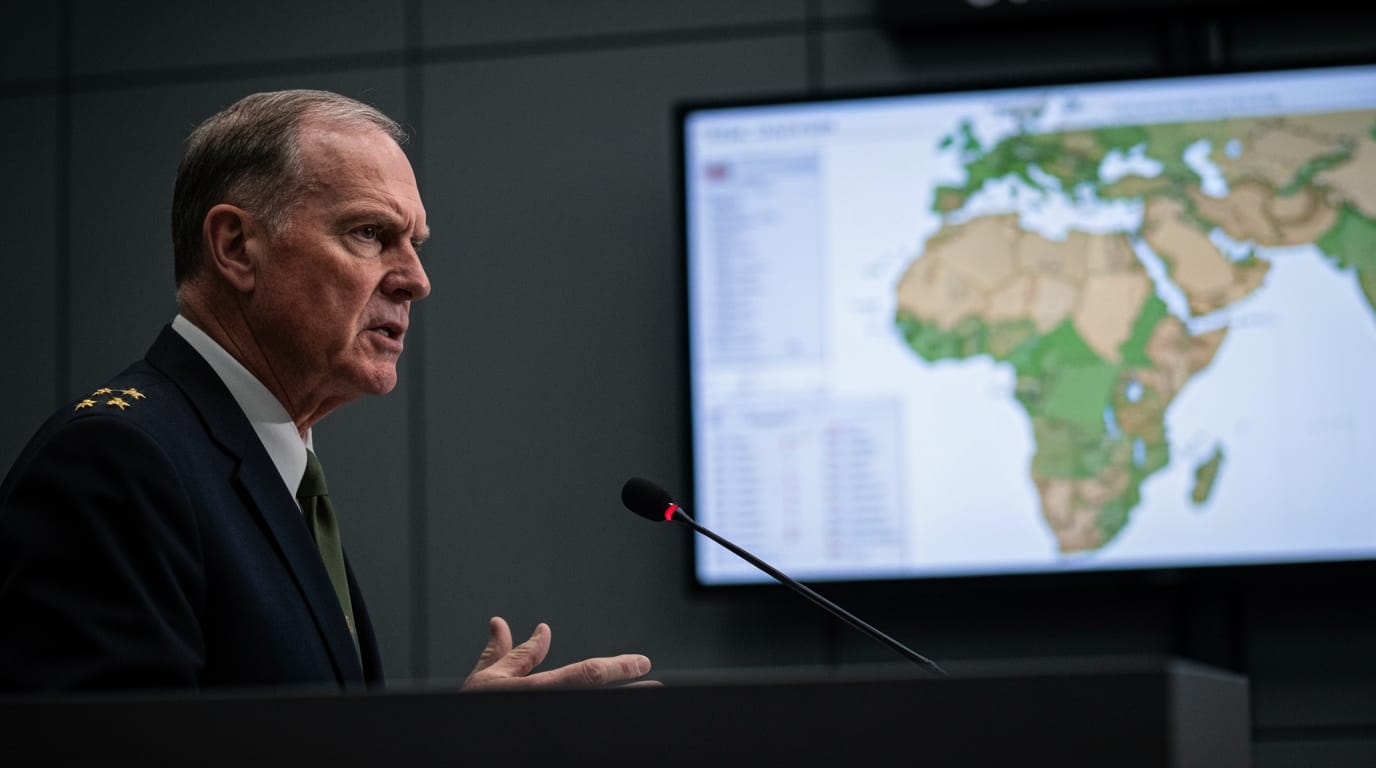
Washington's military campaign against Iran will persist without a specified end date, as former President Donald Trump affirmed that military actions would continue until he declared their cessation. This resolute stance comes as United States forces escalate their engagement, conducting a fourth consecutive night of strikes and reimposing a crucial naval blockade against Iranian ports. The declaration signals a deepened commitment to military pressure in a conflict that has already reshaped the Middle East and triggered widespread geopolitical reverberations.
Escalation and the President's Directive
President Trump's definitive statement regarding the ongoing strikes against Iran was made during a televised interview on July 14, 2026. He conveyed that the military operations would proceed until he determined they were sufficient, emphasizing a policy of sustained pressure. This declaration arrived amidst a fresh wave of US military actions, marking the third and fourth successive nights of bombardment. The intensified strikes primarily targeted Iran's coastal defense systems, missile and drone sites, and maritime capabilities.
The President articulated the rationale behind this prolonged campaign as an effort to significantly degrade Iran's military capacity and compel its leadership to engage in serious negotiations. He cautioned that if diplomatic progress remained elusive, the scope of US strikes could expand to include critical infrastructure, specifically mentioning power plants and bridges as potential future targets. This recent escalation follows the effective collapse of a fragile ceasefire that had been in place since June 17, underscoring the volatile nature of the current conflict. Furthermore, the US military's Central Command (CENTCOM) announced the resumption of a naval blockade around Iranian ports and coastal areas, a measure previously implemented from April to June 2026.
The Evolving Conflict: Operation Epic Fury and its Aftermath
The current phase of heightened tensions finds its roots in Operation Epic Fury, a joint US-Israeli military operation launched on February 28, 2026. This extensive campaign initiated nearly 900 strikes within the first 12 hours, targeting vital Iranian military assets including missile installations, air defenses, other infrastructure, and key leadership figures. A significant outcome of these initial strikes was the reported death of Iran's Supreme Leader Ali Khamenei, along with dozens of other top Iranian officials, though a missile strike also tragically killed approximately 170 people at a girls' school near a naval base.
Following the initial barrage, Iran responded with a torrent of hundreds of retaliatory missiles and thousands of drones across the Middle East. The sustained conflict has inflicted immense human suffering, with thousands of lives lost across Iran, Lebanon, Israel, and Gulf Arab states, and millions more displaced within the region. The strategic objective of Operation Epic Fury, as outlined by US officials, was the systematic degradation of the Iranian government and its capabilities, particularly to prevent the acquisition of nuclear weapons. Despite the extensive degradation of its military, Iranian forces are still assessed to retain some capacity for resistance. The ongoing nature of these military actions suggests a prolonged effort to diminish Iran's ability to project power and influence in the region.
Geopolitical Fallout and Regional Stability
The enduring conflict has unleashed profound geopolitical consequences, with significant implications for global energy markets and regional stability. The Strait of Hormuz, a crucial chokepoint for approximately one-fifth of the world's traded crude oil and natural gas, has been particularly affected. Disruptions to shipping through the Strait have led to notable spikes in oil prices and increased insurance costs for maritime transport. The US reimposition of the naval blockade is intended to further restrict Iranian maritime activities and pressure the regime.
Within the Middle East, the military actions have markedly altered the balance of power. Analysts suggest that the damage inflicted on Iran's military and potential nuclear program has elevated Israel's position as the most powerful military actor in the region, at least for the foreseeable future. This reordering of regional influence could pave the way for new diplomatic opportunities, such as potential agreements regarding Gaza, but also presents complexities for relationships with other major powers like Saudi Arabia, who might increasingly fear Israeli regional hegemony.
Globally, the crisis raises concerns about potential escalation into a wider regional conflict and its impact on broader international dynamics, including the US-China rivalry. The US commitment to military operations in the Middle East diverts strategic attention and resources that might otherwise be allocated to the Indo-Pacific theater, potentially affecting deterrence efforts elsewhere. While Gulf countries have largely condemned Iranian retaliatory strikes, China has maintained a relatively passive stance, though it continues to deepen economic ties with a sanctions-impacted Tehran. Domestically, the prolonged military engagement has sparked discussions within the US regarding the application of the War Powers Act and the necessity of congressional approval for sustained military action.
A History of Tensions and Future Uncertainties
The complex and often contentious relationship between the United States and Iran stretches back to the mid-19th century, but has been particularly fraught since the 1953 coup that overthrew Iran's democratically elected Prime Minister, Mohammad Mosaddegh, and the 1979 Islamic Revolution, which led to the severance of formal diplomatic ties. Key flashpoints have included Iran's nuclear program, which the US and its allies have sought to curb, and the US withdrawal from the Joint Comprehensive Plan of Action (JCPOA), commonly known as the Iran Nuclear Deal.
President Trump has consistently characterized past diplomatic efforts with Iran as insufficient, particularly criticizing the previous nuclear agreement. He has maintained that military strength is the only effective means of negotiating with Iranian leadership, accusing them of consistent dishonesty and a lack of seriousness in previous discussions. Despite the intense military pressure, a comprehensive diplomatic settlement remains elusive, with many observers noting that regime change in Iran has not occurred, and the country retains the capacity to disrupt regional stability. The multidimensional consequences of this conflict, coupled with the potential for strategic overextension for the United States, underscore the significant uncertainties that lie ahead for both nations and the broader international community.
The President's unwavering commitment to an open-ended military campaign against Iran marks a critical juncture in the long-standing animosity between the two nations. With strikes intensifying and a naval blockade in force, the path forward appears fraught with peril, posing ongoing challenges to regional stability, global energy security, and the prospect of a lasting peace. The ultimate duration and outcome of these hostilities remain contingent on a complex interplay of military actions, diplomatic maneuvering, and the evolving geopolitical landscape.


