T. rex 'Gus' Sells for Record $50.1 Million, Reigniting Debate Over Scientific Access
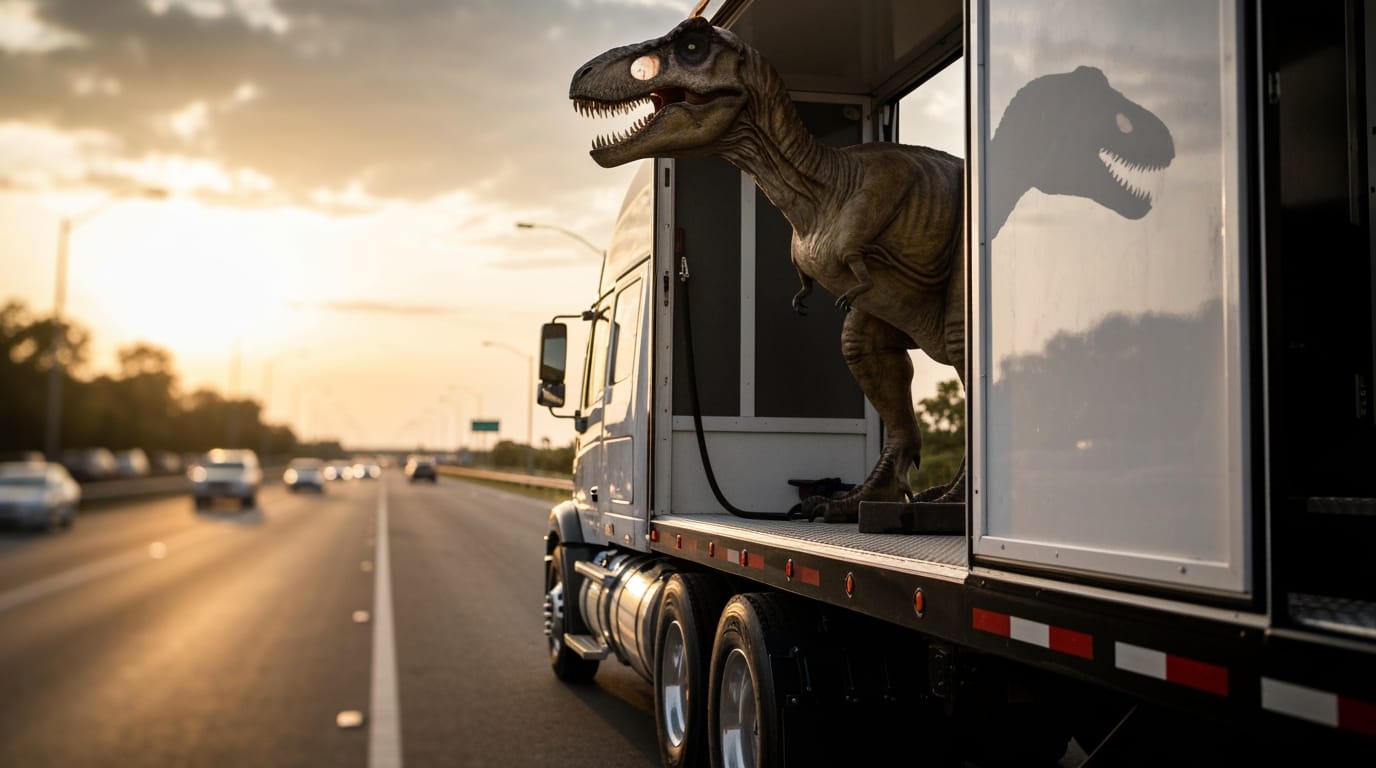
New York, NY – A colossal Tyrannosaurus rex skeleton, nicknamed "Gus," shattered auction records on Tuesday, July 14, 2026, fetching an astonishing $50.1 million at Sotheby's in New York. The groundbreaking sale, which far exceeded its pre-auction estimate of $20 million to $30 million, marks a new pinnacle in the burgeoning market for dinosaur fossils, while simultaneously intensifying a long-standing debate within the scientific community regarding the privatization of invaluable paleontological specimens.
The acquisition by an undisclosed phone bidder has cemented "Gus" as the most valuable dinosaur fossil ever sold at auction, surpassing previous records held by other iconic prehistoric giants. This historic transaction underscores a growing appetite among private collectors for rare natural history artifacts, a trend that is increasingly putting scientifically crucial discoveries beyond the reach of public institutions and academic research.
The Unearthing of a Prehistoric Giant
"Gus" emerged from the rugged Badlands of Harding County, South Dakota, a region renowned for its rich fossil deposits within the Hell Creek Formation. The monumental discovery began in 2021 on the ranch of the late Gary "Gus" Licking, who for years had sporadically found fossilized bone fragments and teeth on his property, hinting at something significant beneath the surface. Licking engaged Thomas Heitkamp and his team from Theropoda Expeditions, a commercial fossil outfitting company, to investigate. The painstaking excavation process spanned three summers, from 2021 to 2023, meticulously unearthing nearly a thousand individual bone pieces from the 67-million-year-old Late Cretaceous period. Tragically, Gary Licking passed away during the excavation, never witnessing the full assembly of the magnificent creature that now bears his nickname. Following excavation, the fossil underwent another three years of intensive laboratory work to meticulously prepare, clean, and reconstruct the skeleton, transforming it into an "exhibition-ready" mounted display.
A Rare Glimpse into a Tyrant's Life
At an imposing 12.5 feet tall and approximately 38 feet long, "Gus" stands as one of the largest and most complete Tyrannosaurus rex skeletons ever discovered. Comprising 183 fossil bone elements, the specimen is estimated to be about 61% complete by bone count and an impressive 75% to 80% complete in terms of bone mass. Key features contributing to its scientific value and completeness include an exceptionally preserved 54-inch skull, a wishbone, a full pelvis, and both feet, as well as a significant number of rarely found gastralia, or belly ribs.
Beyond its remarkable completeness, "Gus" offers a tangible narrative of prehistoric life. The fossil exhibits clear signs of ancient trauma, including tyrannosaurid bite marks on the skull bones and right dentary, as well as several post-cranial elements. Furthermore, fractured and healed bones discernible in its ribs and gastralia suggest the dinosaur survived fierce combat or scavenging encounters during its lifetime. These pathological details provide invaluable insights into the behavior, ecology, and sheer resilience of one of Earth's most formidable predators. The sheer scale and intricate preservation of "Gus" position it as a critical resource for understanding the biology and evolution of the Tyrannosaurus rex.
The Escalating Price of Prehistory
The sale of "Gus" for $50.1 million marks a significant leap in the commercial fossil market, underscoring a trend of rapidly escalating prices for dinosaur specimens. Just two years prior, the Stegosaurus skeleton known as "Apex" set a record when it sold for $44.6 million at Sotheby's in 2024 to billionaire Ken Griffin. Before "Apex," the T. rex "Stan" held the record, selling for $31.8 million in 2020. These figures dwarf the 1997 sale of "Sue," another iconic T. rex, which fetched $8.4 million and became the centerpiece of the Field Museum in Chicago.
The increasing profitability of dinosaur fossil sales has attracted considerable attention from wealthy collectors and investors, turning these ancient relics into high-value art objects. This trend has led to eight of the ten most expensive fossils being sold within the last four years, a clear indicator of the market's rapid acceleration.
The Divide: Science Versus Commerce
The soaring prices and increasing privatization of major fossil finds like "Gus" have sparked considerable alarm and "exasperation" among paleontologists. Researchers express profound concern that when scientifically significant specimens enter private collections, they often become inaccessible for study, inhibiting critical research and potentially limiting public understanding. Unlike fossils held in public trust at museums, privately owned specimens are not guaranteed to be available for ongoing scientific analysis, replication of findings, or even basic examination. Paleontologist Thomas Carr noted in a 2025 study that more scientifically valuable T. rex specimens are now in private or commercial ownership than in public institutions, stating that "the loss of them carries the heaviest scientific cost."
Public institutions, including museums and universities, frequently lack the financial resources to compete with deep-pocketed private bidders at auction. This disparity means that fossils, which are considered irreplaceable "nonrenewable resources" and "our only means of understanding the biology and evolution of extinct animals," risk disappearing from the collective scientific dataset. The Society for Vertebrate Paleontology, for instance, advocates that "scientifically significant vertebrate fossils should be permanently curated in accredited museums, universities, and other public research institutions where they remain available for scientific investigation, education, and public exhibition."
Conversely, some argue that commercial expeditions and sales play a vital role in funding the costly and labor-intensive process of fossil discovery and excavation. Sotheby's Vice Chair Cassandra Hatton suggested that the promise of high sales helps offset the expenses of unearthing fossils, pointing out that unexcavated fossils are, in effect, lost to science. Without commercial endeavors, many significant finds might never see the light of day. However, critics counter that the potential for profit incentivizes commercial entities to prioritize financial gain over the scientific principles of accessibility and long-term stewardship.
Conclusion
The record-breaking sale of T. rex "Gus" is a landmark event, showcasing both the incredible allure of prehistoric life and the evolving dynamics of the fossil market. While the staggering price tag undoubtedly elevates the public profile of paleontology and draws attention to these magnificent creatures, it also sharpens the focus on the ethical implications of privatizing scientific heritage. The ongoing tension between commercial interests and the imperative for scientific research and public access highlights a fundamental question: how can society ensure that these irreplaceable windows into Earth's ancient past remain available for the collective advancement of knowledge, rather than becoming exclusive treasures of the ultra-wealthy? As the market continues to expand, striking a balance between incentivizing discovery and preserving scientific integrity will remain a critical challenge for the future of paleontology.


