Ebola Crisis in DRC Far Exceeds Official Tallies, WHO Warns
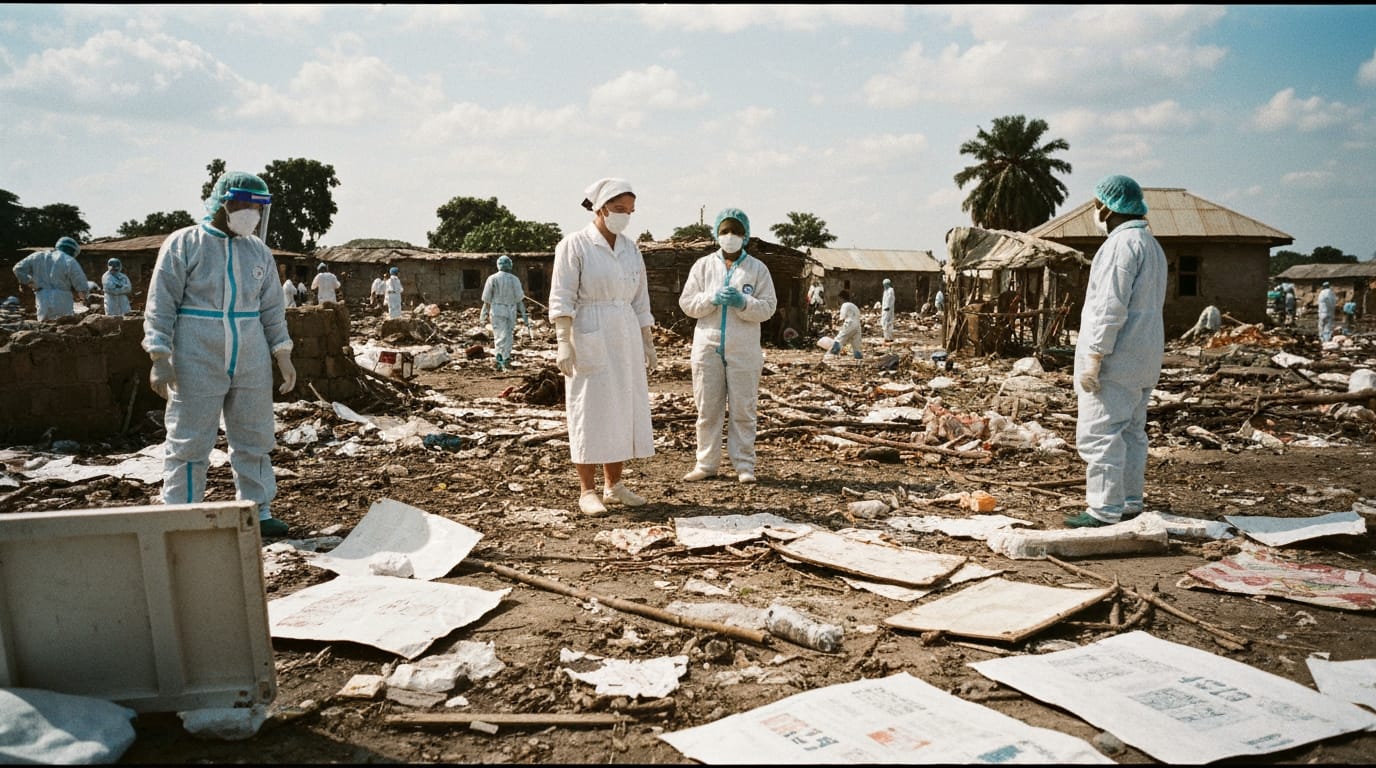
Geneva, Switzerland – The ongoing Ebola outbreak in the Democratic Republic of Congo (DRC) is significantly more widespread than official figures indicate, with the World Health Organization (WHO) cautioning that the true number of infections could be two to four times higher than reported. This alarming disparity highlights a critical challenge in containing one of the most rapidly expanding Ebola epidemics on record, threatening to undermine crucial public health efforts in a region already grappling with instability.
The Hidden Scale of the Epidemic
According to statements from WHO officials, the current outbreak, which was declared in mid-May, has seen official tallies reaching approximately 1,960 to 1,963 cases and between 700 and 719 deaths as of Tuesday, July 14. However, these statistics represent only a fraction of the actual crisis unfolding across eastern Congo. Chikwe Ihekweazu, Executive Director of the WHO Health Emergencies Programme, revealed that internal modeling suggests the outbreak’s true scale is at least two to four times the number of confirmed cases. This revelation underscores a deeply concerning situation, marking the outbreak as the third-largest Ebola epidemic ever recorded and the fastest-growing in Africa.
Factors Fueling Undetected Spread
Several complex factors contribute to the significant underreporting of Ebola cases in the DRC. A primary concern is that a substantial number of infected individuals are dying within their communities without ever reaching a healthcare facility, thereby going uncounted in official statistics. Ihekweazu highlighted that many newly reported cases involve individuals who had already succumbed to the disease at home, preventing timely intervention and contact tracing efforts. This issue is further complicated by a pervasive lack of known links between new patients and existing contact lists, particularly in hotspots like Ituri province. In parts of Ituri, an alarming 80 percent of new cases have no established connection to previously identified patients, signaling widespread, undetected community transmission. This suggests that the virus is circulating extensively outside the purview of surveillance networks. The outbreak’s epicenter in Ituri province is also a region plagued by armed conflict, creating an environment of mistrust and making it exceptionally difficult for health workers to access affected populations and implement effective public health measures.
Escalating Challenges for Containment
The disparity between official and estimated case numbers poses severe challenges to the containment efforts, which are already struggling to keep pace with the virus’s rapid spread. When a large proportion of cases remains undetected, it becomes nearly impossible to accurately track the disease’s progression, isolate infected individuals, and conduct thorough contact tracing – all critical components of an effective Ebola response. The WHO reported that while contact tracing has improved, with follow-up rates approaching 80 percent, the sheer volume of hidden cases continues to outpace these efforts. The consequences extend beyond epidemiological challenges. Healthcare workers responding to the outbreak have reportedly threatened to cease operations over unpaid salaries, adding another layer of pressure to an already overstretched and under-resourced response. The virus has already spread beyond its initial concentration in Ituri, reaching five provinces within the DRC and even crossing borders into neighboring Uganda, where at least 20 infections and two deaths have been reported. Moreover, this specific outbreak is caused by the Bundibugyo species of Ebola, for which there is currently no approved vaccine or treatment, further complicating patient management and increasing the urgency of containing its spread.
The Imperative of Accurate Data and Community Engagement
Despite the grim assessment, response efforts are intensifying, with expanded treatment capacity now offering more than 700 beds and increased laboratory capabilities for testing. However, the WHO emphasizes that strengthening surveillance remains the most significant challenge in bringing the outbreak under control. Effective disease control hinges on accurate data, which allows health authorities to allocate resources strategically, target interventions, and understand the true dynamics of transmission. The current situation in the DRC underscores the critical need for improved community engagement and trust-building initiatives to encourage early reporting of symptoms and safe burials, thereby bringing hidden cases into the public health system. Without a clear understanding of the full scope of the epidemic, the international community and national authorities risk underestimating the necessary resources and strategies required to protect lives and prevent further regional destabilization.
Conclusion: A Call for Renewed Vigilance
The World Health Organization's stark warning about the true scale of the Ebola outbreak in the Democratic Republic of Congo serves as a critical alert. The substantial gap between official reports and the estimated reality presents an immense hurdle for humanitarian and health organizations striving to control the deadly virus. Bridging this data divide, addressing community mistrust, and ensuring the safety and support of frontline health workers are paramount. Only through a comprehensive and transparent approach, backed by robust international support, can the DRC hope to effectively combat this hidden epidemic and prevent further tragic loss of life.


